About a block from the downtown Newburgh waterfront and steps away from SUNY Orange and Broadway, a $45 million hotel development project in the city by Foster Supply Hospitality is running on schedule and planning to open in late 2027.
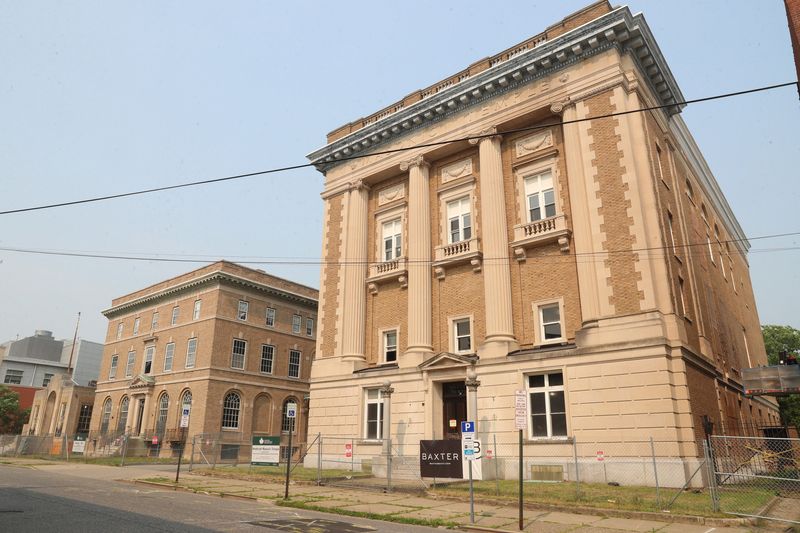
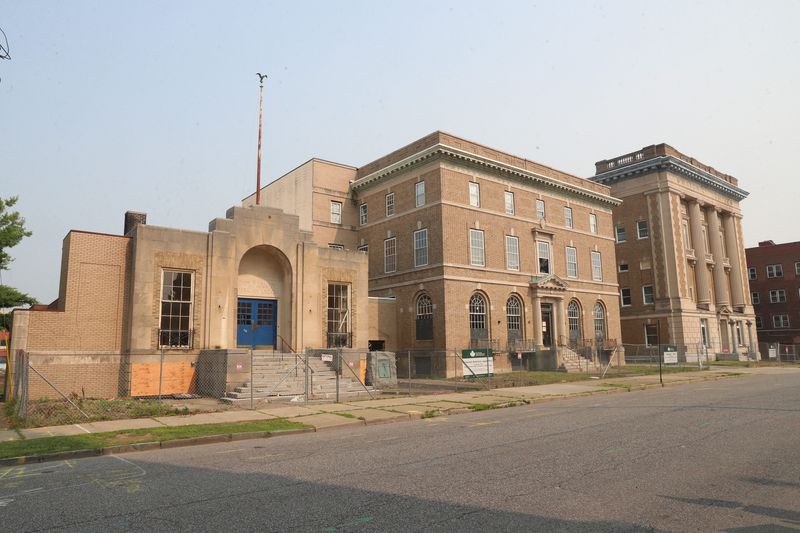
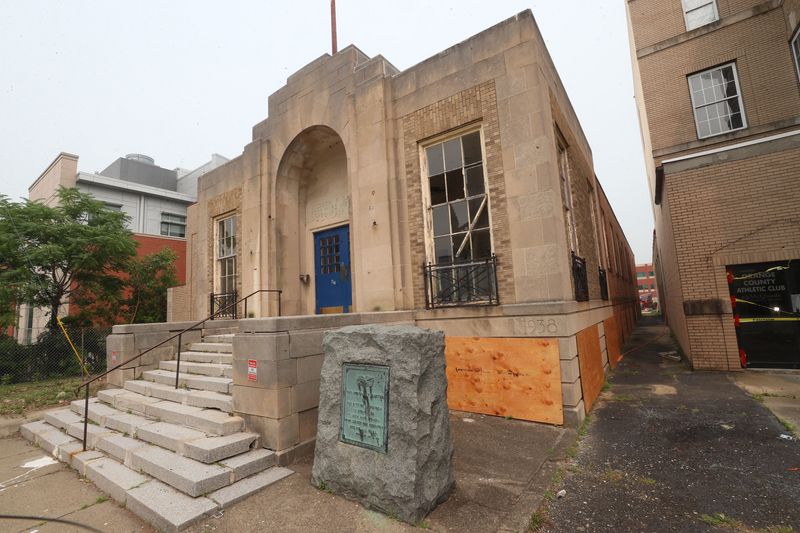
The renovation and restoration venture takes a triptych of adjacent buildings from the early 1900s at 48, 54 and 62 Grand St. in the City of Newburgh — formerly the Masonic Temple, the YMCA and the American Legion — to create a full-service hotel, spa facility, restaurant and bar plus events venue.

According to FSH co-owner Sims Foster, in addition to the current construction jobs, the business, once open, will bring 62 full-time jobs on the payroll and other part-time jobs for entertainment, hospitality vendors in conjunction with a projected $1.2 million a year in sales and hotel taxes.
“The project in Newburgh is poised to be one of the most transformational efforts the city has seen in decades,” said Orange County Executive Steven M. Neuhaus in an email. “It takes three decaying buildings that have been vacant for a long time and reimagines them as a vibrant tourist destination. This will not only generate significant revenue for both Newburgh and the whole county, but will also draw visitors from outside the region to experience everything Newburgh has to offer. It has the potential to single-handedly spark the rebirth Newburgh has been striving toward for many, many years.”
Multi-purpose facility an investment in the community
The hospitality complex is expected to launch all wings at once. The YMCA and the American Legion buildings will be physically connected to house the 74 hotel rooms, spa and other amenities. The Masonic Grand Temple, the tallest of the three structures, will host a 150-seat, three-meal period restaurant on one floor and banquet and gathering spaces on other floors for various events, including conferences, galas, fundraisers and weddings.
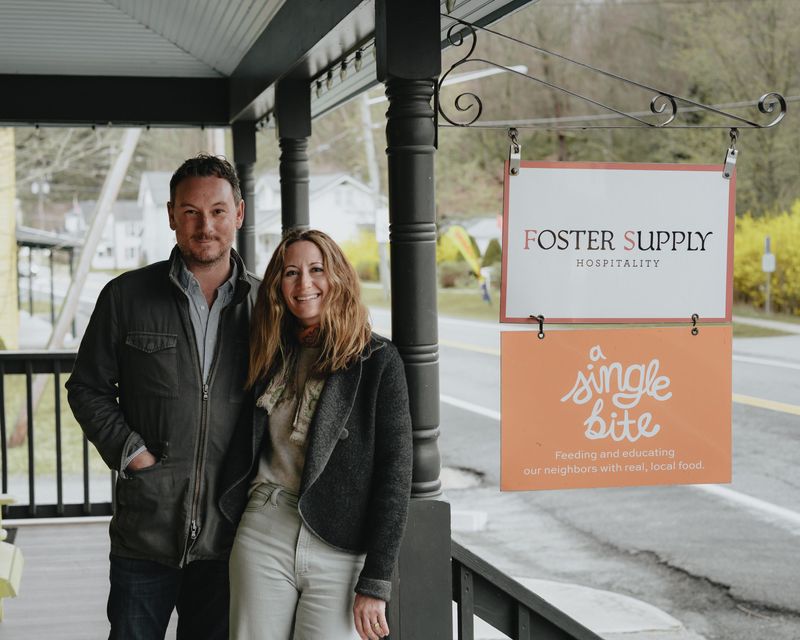
The Newburgh hotel project is envisioned by wife-and-husband FSH co-founders Kirsten Harlow Foster and Sims Foster, who live in Sullivan County and operate multiple hotels and restaurants in the Catskills.
The Fosters were compelled to Newburgh and also purchased a house within walking distance of the hotel site, where during the past five years they have been spending time with their young children.
“While we could go other places and do a project,” Sims Foster said, “we feel like our efforts and our work in Newburgh could potentially have a bigger impact on the community and the people and the place around us.”
Among the factors weighed when settling on a location for the project, Sims Foster addressed any crime-related associations with Newburgh as a narrative that did not match his own experience knowing the city.
“It’s not to deny that there aren’t, that there isn’t some reality,” Sims Foster said, “but Newburgh is an emerging city and with that comes complexity and some complications, but we’ve loved spending time there and getting to know the community.”
Violent crime in the city, which had been steadily declining from 2018-2020 according to Times Herald-Record archives, increased by 23% in 2021. More recently, the 2025 annual report by the City of Newburgh Police Department cited significant crime reductions compared to 2024 in seven categories, including violent crimes. One category, commercial burglary, showed an 8% increase.
It was important for them to push forward and do what they’re doing, Sims Foster said, “which is building this great hotel.”
COVID-19 and other delays
FSH has been planning the project since 2019.
The project construction was aimed to be completed by 2022, but the COVID-19 pandemic and a shift in financing for commercial real estate caused a delay.
They completed the purchase of the three buildings in 2022 for $1.3 million from Orange County — the county bought them for $3.6 million in 2014 with plans for an addition to the SUNY Orange campus.
FSH received 12-year Payment in Lieu of Tax abatements through an agreement with the City of Newburgh Industrial Development Agency in 2022 after a hearing process — the tax breaks faced some opposition from State Senator James Skoufis.
Foster said the IDA played a critical role in helping to secure bank financing. “The project has to achieve a risk profile that makes sense for a bank to lend, right?” Foster said. “And the taxes, the IDA pilot program allowed us to start paying taxes and to reach full tax payments over a time while we’re investing and building the business.”
An amended IDA application in 2025 showed that the project budget increased from the original $24,450,000 to $45,964,801.
‘A functional building for generations to come’
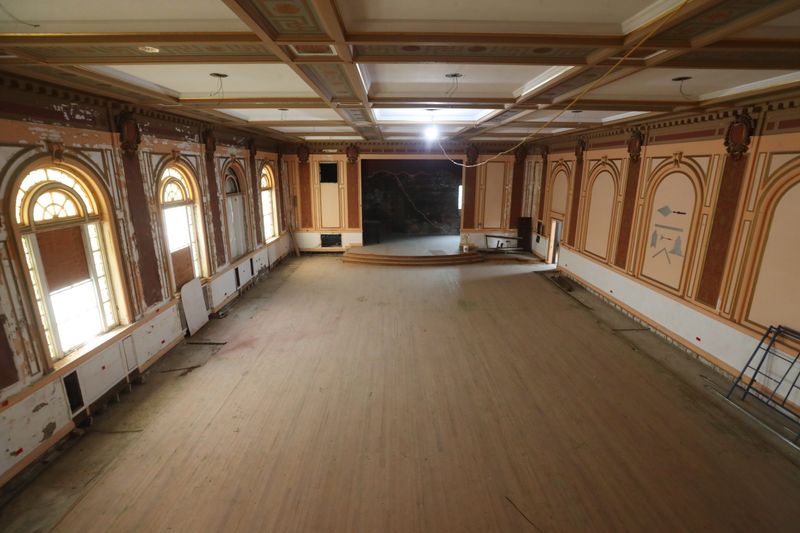
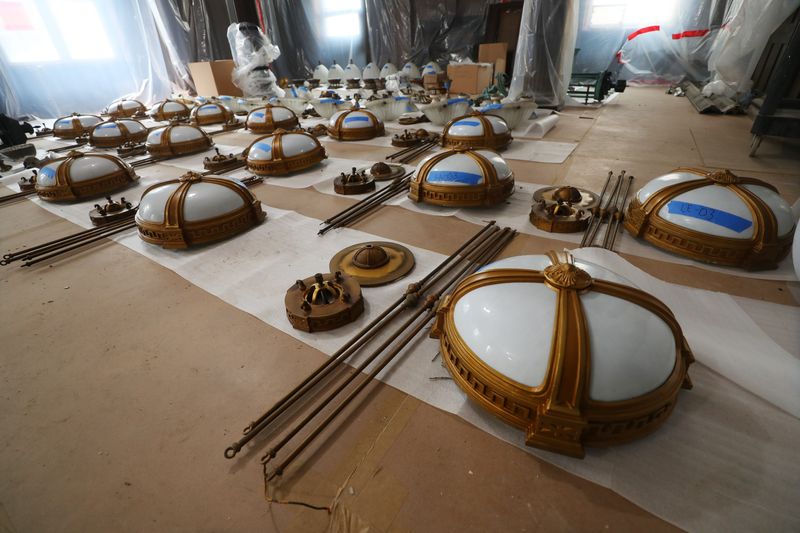
The Fosters, along with their friend and former colleague, Craig Harvey, oversee the interior design aspects of the buildings’ renovations. The emphasis is on preserving the historical details and fixtures, including retaining 90% of the original Masonic Temple.
“That was our intent from the beginning,” said Sims Foster, “to really respect what’s there as much as we can, while also making sure it’s a functional building for multiple generations to come.”
Listing the buildings in the New York State and National Register of Historic Places allowed FSH to use state and federal historic rehabilitation tax credits.
The architecture and engineering firm is LAN Associates in Goshen.
Contact reporter Vandana Saras at vsaras@usatodayco.com and @orangecountynyreporter on Instagram.
This article originally appeared on Times Herald-Record: Inside the $45 million hotel project reshaping downtown Newburgh
Reporting by Vandana Saras, Middletown Times Herald- Record / Times Herald-Record
USA TODAY Network via Reuters Connect
By Vandana Saras, Middletown Times Herald- Record | USA TODAY Network