HAVERSTRAW VILLAGE – In this densely populated working-class village, affordable housing projects have been long discussed but rarely achieved. But two projects have recently made significant leaps forward. Combined, the projects could bring 530 new housing units, more than 65% of those for people with restricted incomes.
“It will change the face of the village, for sure,” said Mayor Mike Kohut. “Maybe the people who have been here for 30 years and struggling can finally do better. A rising tide raises all boats.”

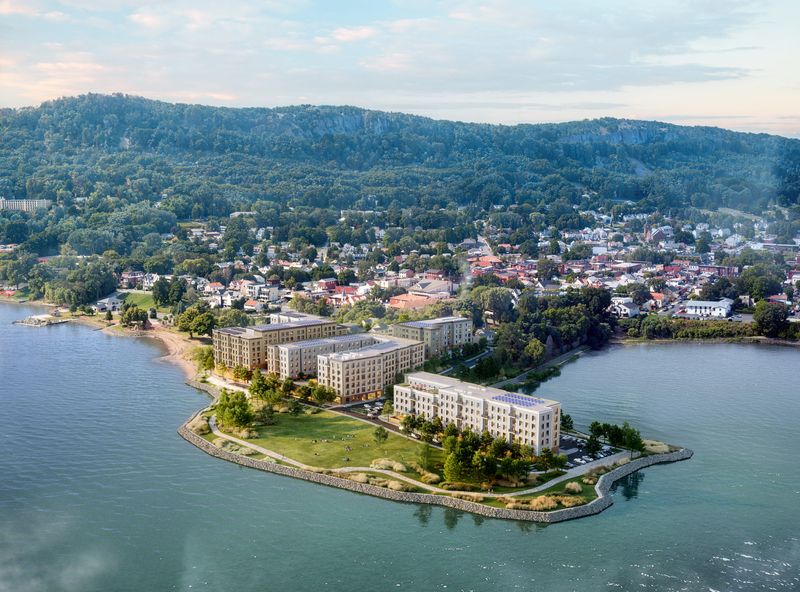
The larger and long-languishing Chair Factory, a riverfront jut of property that sits north of Main Street, has recently gotten a boost from Empire State Development Corp., which has taken a lead role in this project that could bring 450 housing units of workforce, senior and market-rate units.
“Every person going to that project has to go down Main Street,” Kohut said of the Chair Factory development’s potential to lift the entire village. That includes “people with money” and residents in the affordable units who would bring dollars to downtown merchants.
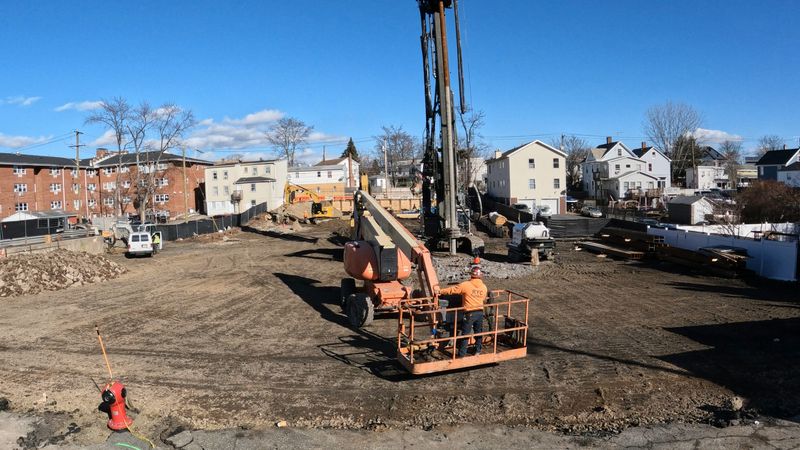
The 81-unit “30 West” is going up on a former municipal parking lot. Discussions started five years ago to add housing there. Then Yonkers-based nonprofit WestHab stepped in to secure financing. The entire project would be dedicated to affordable housing, with a quarter set aside for people who had experienced homelessness.
“It’s all affordable and addressing the working poor of Haverstraw,” said Mayor Mike Kohut.
Haverstraw’s options: Change or disappear
According to U.S. Census figures, the 2-square-mile village is home to about 12,500 residents. More than 60% of residents identify as Hispanic or Latino; more than 40% of households have an annual income less than $50,000 and 17% live below the poverty line.
The village’s housing stock ranges from old homes carved up into multi-family units to the high-end Admiral’s Cove and Harbors at Haverstraw apartments to the south, which sits next to a ferry to the Ossining train station and boasts manicured grounds and walking paths. “The affordability gap is just striking,” Kohut said.
Kohut said one side effect from a jump in available affordable housing would be pressure on landlords to upgrade housing stock with code violations and keep rent affordable to compete.
“A lot of institutional investors have bought up single-family homes to rent out,” he said. The market “has to correct itself.”
While towns throughout Rockland have spent 40 years feeding suburban sprawl, Kohut said, the little village of Haverstraw is hemmed in by Hi Tor State Park to the west and the Hudson to the east. Spreading out is not an option, but the village can revitalize what’s been left behind.
“If the village doesn’t change, it disappears,” Kohut said. “I don’t want this village to disappear. I don’t want our people to disappear.”
Chair Factory had a vision, now has state muscle
A manufacturing site until the 1990s; the village took ownership of the old Chair Factory site in 2007. Back then, the waterfront site was eyed for high-end apartments, but the Great Recession pulled the plug, Kohut said.
The village in 2021 focused on redevelopment at the waterfront in its comprehensive plan. Officials focused on finding partners and honing in on a redevelopment model.
In 2022, the Village selected Pennrose and MPACT Collective as the designated developer. About 70% of buildings would be comprised of units for seniors, veterans, young professionals and families.
“Pennrose sold us on their vision,” Kohut said, “with more housing than we thought.”
That vision includes added shops and restaurants in first-floor commercial space; 574 parking spaces; and a hotel. Access to the Hudson waterfront would also grow, with a connection from Harbors and Admiral’s Cove luxury development to the south, along the village’s popular Emeline Park to four acres of promenade at the Chair Factory site.
State investment in the project goes beyond Empire State Development’s recent decision to take the lead; around $17 million of various state funding have been assigned to the Chair Factory site, for things like shoreline stabilization along the Hudson banks to building out needed infrastructure.
The project, though, remained stuck amid inter-municipal bickering over tax rates and other details. It took Empire State Development’s interest, Kohut said, “to break the logjam.”
Preliminary work, including taking down some old homes on Allison Avenue, has begun on the site, Kohut said. Construction could launch in May or June.
With a three- to -four-year buildout, Kohut said, “a safe estimate, within five years, people could be living at the Chair Factory.”
According to Kohut and ESD documents, the 450 units would be categorized three ways:
One building would be dedicated to seniors, Kohut said, the rest of the units will be mixed income. “There’s no poor door,” Kohut said, referring to some luxury housing complexes that have a separate wing and entrance for affordable units.
30 West to provide affordable housing
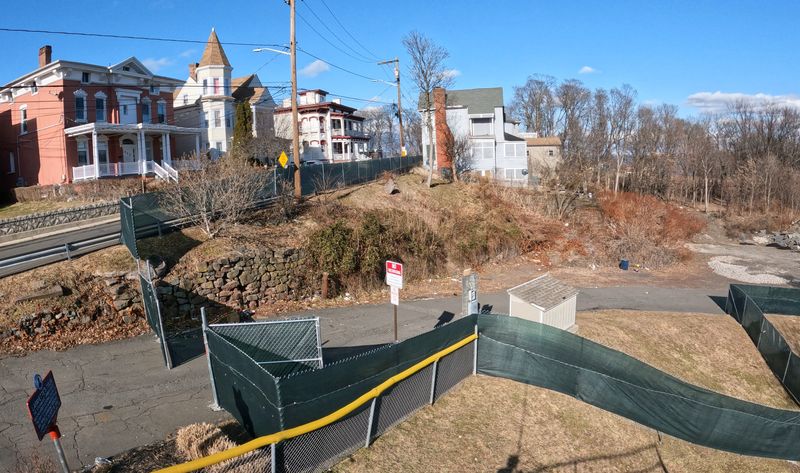
The housing project is being built on a municipal parking lot between Maple and West streets, next to the Gen. Warren Emergency Company #2 firehouse, just a couple blocks south of New Main Street.
The 80-unit building (81 if you count an apartment for the super) would be four stories. The building would be energy efficient and all electric.
A floor of parking for tenants and another floor to replace the municipal parking the lot would be provided, Kohut said.
Work on the site started two days before Christmas 2025, Kohut said, and the timetable for completion is about two years, with occupancy expected to be ready by mid 2027.
WestHab has a long history in Westchester County providing housing and employment services. This is their first Rockland endeavor.
“We are excited to bring that experience to Rockland County with 30 West, a project that demonstrates how public-private partnerships can deliver quality housing while strengthening local communities,” Westhab President and CEO Rich Nightingale said in a statement. “By repurposing underused municipal land, we are creating homes for working families and supporting Haverstraw’s economic vitality. This is the kind of smart, collaborative development our region needs.”
Around 20 units would be set aside for families that had experienced homelessness.
WestHab plans social services support onsite. The building will also have a playroom, a laundry room and storage space for tenants.
State funding and low-interest loans have helped the project secure the financing needed, Kohut said. Rockland County has been helpful.
“We have a Republican county executive (Ed Day) who understands the need of affordable housing to sustain a quality-of-life here,” said Kohut, a Democrat.
The affordable units would be set aside for households earning 60% of the region’s Area Median Income, or AMI. According to County of Rockland Section 8 data, the county’s full AMI for a family of one is $108,700 and for a family of four, it’s $155,300.
Rents would range from $1,418 for a studio, $1,519 for one bedrooms, $1,823 for two bedrooms, and $2,106 for three bedrooms based on HUD’s 2025 rent limits.
This article originally appeared on Rockland/Westchester Journal News: Haverstraw’s poised for an affordable housing boom. What’s planned
Reporting by Nancy Cutler, Rockland/Westchester Journal News / Rockland/Westchester Journal News
USA TODAY Network via Reuters Connect