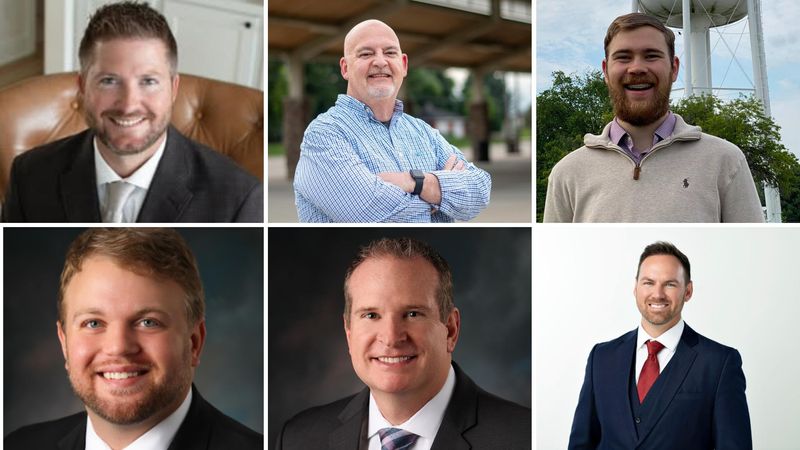
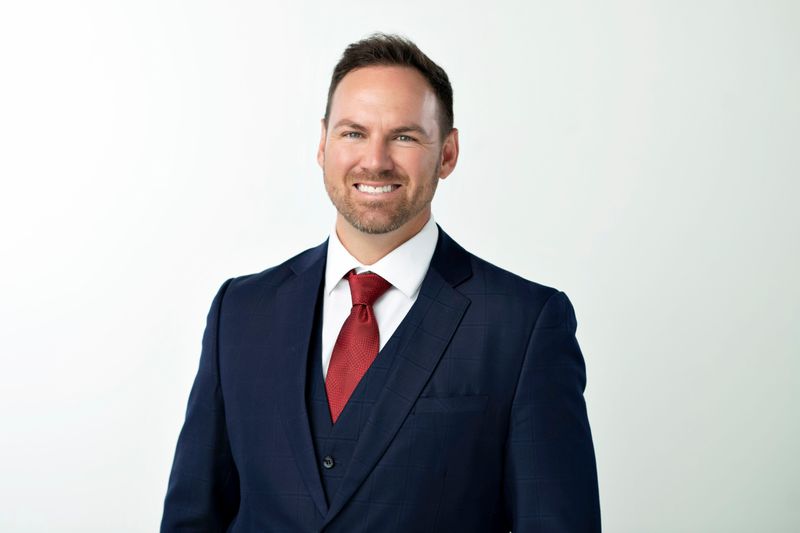
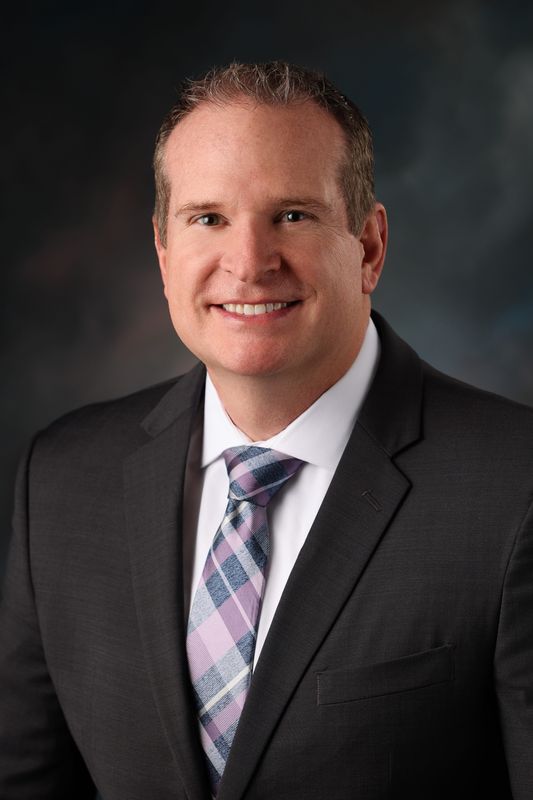
Six candidates are running for three Ankeny City Council seats.
Two candidates — Matt Davis and Greg Romans — are running for one seat with a two-year term.

Four candidates are running for two seats with four-year terms: Dustin Graber, an incumbent who is serving a two-year term, Joseph Herst, Justin Hollinrake, and incumbent Joe Ruddy.
The Des Moines Register asked each candidate to respond to questions on why they’re running and the issues facing their city. Their answers may be lightly edited for clarity or length.
The election is Nov. 4.
Matt Davis, seeking a two-year term
Current occupation: Senior project manager/team leader of office operations/shareholder
Education background: Bachelor of Science in business management and Master of Business Administration, both from Iowa State University
Where did you grow up? Sioux City
Political experience: Ankeny Economic Development Council, Ankeny Community Champions board member, Ankeny Chamber of Commerce board member, past Iowa Capitol Planning Commission, Variety, The Children’s Charity of Iowa board member, Walk Your Plans Des Moines board member, Jacobson Institute Board member at Grandview University, Citizen of the Year Award from Des Moines Chamber of Commerce (2024)
Age: 44
Dustin Graber (incumbent)
Current occupation: Oncology area manager for Iowa
Education background: B.A. in biochemistry at the University of Iowa
Where did you grow up? Mount Pleasant
Political experience: Ankeny City Council 2025. Ankeny Community School District board of directors from 2011 to 2019, president/vice president/committee chairman. Metro Waste Authority Board of Directors. Metro Advisory Committee. Ankeny Human Rights Commission. Church youth group leader. Church Sunday School teacher.
Age: 48
Joseph Herst
Current occupation: Executive director of Via of Des Moines – Fleur Heights
Education background: MBA at Iowa State University
Where did you grow up? St. Charles, Missouri
Political experience: I have not worked on a political campaign before, but I have served on several nonprofit boards such as the Ankeny Area Chamber of Commerce, Ankeny Young Professionals, Grimes Chamber and Economic Development, Kids at Heart Foundation, and Young Professionals of Iowa.
Age: 33
Justin Hollinrake
Current occupation: Billing specialist
Education background: Bachelor of Arts
Where did you grow up? Ankeny
Political experience: Legislative clerk, campaign staff, and volunteer. I’ve testified at committees and contacted my legislators on many occasions. Additionally, my bachelor’s degree is in political science.
Age: 23
Greg Romans, seeking a two-year term
Current occupation: Marketing manger and entrepreneur
Education background: Web developer diploma from DMACC – Ankeny
Where did you grow up? Gaithersburg, Maryland
Political experience: I was the campaign manger for my wife, Amber Romans, when she ran and won for Ankeny school board two years ago.
Age: 56
Joe Ruddy (incumbent)
Current occupation: Founder and CEO of FaRM Success
Education background: Bachelors degree, business administration, Kaplan University
Where did you grow up? Polk City
Political experience: Currently serving on my first, four-year term on Ankeny City Council.
Age: 45
What is the most important issue facing your city and what would you do to address it?
Davis: Ankeny’s most pressing challenge is managing rapid growth while protecting the character and quality of life that make it special. I’ve raised a family here and led major construction projects across central Iowa. I know how to plan with purpose. I’ll advocate for smart development that strengthens services and minimizes disruption through strategic phasing. Roads, utilities, and public spaces should be built with care, not chaos. Growth should be respectful, inclusive, and built to last. The truth is, continued growth helps keep taxes low by expanding our tax base. If we manage it wisely, we can preserve what makes Ankeny great while building a future that works for everyone.
Graber: The most important issue I face while currently serving on the Ankeny City Council is managing Ankeny’s rapid growth sustainably while preserving affordability and safety. Ankeny is currently ranked the #18 Best Place to Live in by U.S. News and World Report. I strive to preserve our high national ranking and seek to further improve it by focusing on keeping Ankeny affordable, safe and clean. As your current council member, I voted to keep Ankeny’s property taxes the lowest in the metro area. I also voted to invest in key infrastructure, traffic management and proudly support our police and fire departments to keep our city affordable, accessible, safe and beautiful.
Herst: The speed in which Ankeny is growing is the most important issue facing our city, and progress will take planning. It would be best to collaborate with the police and fire departments to ensure the safety of our residents. Addressing housing shortages and installing infrastructure that will meet the current and future needs of Ankeny citizens is a priority. As a City Council, we will need to take a proactive approach to how the new areas of Ankeny are developed so we can meet the needs of everyone, regardless of economic status. I plan to listen, learn, plan, and then implement a long-term growth strategy to set our city up for success for generations to come.
Hollinrake: Ankeny’s biggest issue is high housing costs. Young people greatly struggle to plant roots in our community. Renting is far too expensive, as is purchasing a home. For older generations, particularly seniors on fixed incomes, the skyrocketing assessments have led to burdensome property tax spikes. We must start by cutting the harmful red tape out of our zoning code. Then we must pursue the funding offered by higher levels of government — county, state, and federal — to support affordable housing construction. Our residents pay a lot of taxes, we deserve to get some of the money back. I firmly believe Ankeny will be made stronger by embracing all people, regardless of age or income.
Romans: The biggest issue facing Ankeny is affordability and how it impacts working families, seniors, and young professionals. As our city grows, residents are being priced out of housing, childcare, and basic services. The recent community survey showed low confidence in affordable childcare, healthcare, and mental health support. My campaign focuses on responsible growth that includes attainable housing and protects taxpayers. On council, I would work with developers, schools, and local partners to ensure new development supports existing residents and keeps longtime community members from being pushed out. Growth should benefit everyone, not just those who can already afford it.
Ruddy: City manager search. At about the mid-point of my first term and thoroughly going through a formal evaluation of the city manager, it was discovered that we didn’t have the right person for Ankeny. Legislative changes to property tax threw us some challenges but we need someone that can seize the opportunities that lie ahead even given this challenge. I am also looking for someone with massive vision and great energy. One that will lead with a positive spirit and engage with the developers and the community. This is being addressed now, and I know that we will find the right person and regardless of the election outcome, the current council will hire the next city manager of Ankeny.
How should Ankeny manage its growth and future development?
Davis: Ankeny’s growth must be guided with care. That means investing in future infrastructure that works for us, not just today, but decades from now. With nearly two decades in construction and project management, I’ll advocate for strategic infrastructure upgrades that support expansion without overwhelming our community. As a business owner deeply involved in strategic planning both professionally and as a civic leader, I understand how to balance vision with execution. I’ll push for well-zoned, thoughtfully phased development that protects our neighborhoods, attracts the right businesses, and keeps traffic flowing safely. Growth should enhance our quality of life, not complicate it.
Graber: Ankeny must manage its growth sustainably using our Ankeny Plan 2040. This comprehensive plan sets the community’s vision and guides future decision-making until 2040, covering goals for land use, transportation, housing, infrastructure, and economic development. Growth is managed through strategic expansion and continuous investment in the services, spaces, and connections that define our quality of life. Key development opportunities include focusing on key infrastructure and traffic management, reinforcing economic vitality, and supporting our extensive trail system (100+ miles). The plan is actively maintained and has been amended 15 times.
Herst: Ankeny’s rapid growth has created exciting opportunities, but it also brings serious challenges. To keep pace, we must invest in infrastructure that eases traffic and expands utilities, ensure our public schools have the resources and space to provide a top-quality education, and strengthen our fire and police departments so families feel safe. Expanding access to mental health support and preserving public spaces for recreation are equally vital to maintaining a healthy, connected community. By planning ahead and prioritizing these needs, we can capitalize on Ankeny’s current strengths while setting a foundation for a brighter future.
Hollinrake: Ankeny should prioritize fiscal sustainability. We have exited our rapid growth stage. The development that occurs over the next 15 years will be the final pillar of the community. By ensuring we have mixed-use walkable developments, we can simultaneously fiscally strengthen our community and improve our quality of life. Additionally, we must invest in creating an interconnected trail network as other communities have done. Trails are excellent for not just recreation, but also the local economy and low cost transportation. Rather than only improving the one existing trail — and pretending that sidewalks are trails — Ankeny needs to dream bigger.
Romans: Ankeny needs to manage growth by planning with residents in mind, not just developers. We’re growing fast, but people are feeling the strain in housing, traffic, childcare, and basic services. The recent resident survey showed concerns about affordability and access. Future development should include attainable workforce housing, strong infrastructure, and support for families and seniors. I would push for projects that protect taxpayers, ease traffic, and keep longtime residents from being priced out. Growth should improve quality of life, not overwhelm it.
Ruddy: We are team Ankeny. Ankeny is developers, business owners, families, and grandparents. We are ranked #18 by U.S. News as “Best Place to Live” and #5 Most Livable City by SmartAsset. There is nothing fundamentally wrong in Ankeny, we are not broken and now is not the time for change. Change comes at a cost, and we are all financially involved in the success in Ankeny. I pushed to have more corridor planning done and that is happening. South Ankeny Boulevard is going through a corridor master plan, and I am pushing for 36th Street to go through the same thing. I voted for the transportation master plan, which is being put into action now. This map will improve how traffic looks in Ankeny.
How would you balance a desire to lower property taxes with a need to provide resources to your city?
Davis: Fiscal responsibility must be paired with a clear understanding of Ankeny’s financial landscape. We have the lowest property tax rate in the metro, but we must ensure public safety, infrastructure, and amenities are adequately funded. As a business owner, I know how to stretch resources without sacrificing quality. I’ll bring that same discipline to City Council, improving transparency, evaluating our tax structure, and exploring ways to make it more equitable and efficient. We must recognize that growth is the key to keeping taxes low for all. I want Ankeny to remain affordable, not just for my children, but for yours, and for generations to come.
Graber: As your current Ankeny City Council member, I balance this by pursuing fiscal discipline and strategic investment, guided by thoughtful leadership. I work with city administrators to thoughtfully prioritize our most impactful projects first. I recently voted to keep Ankeny’s tax rates the lowest in the Des Moines metro, which preserves our nationally recognized “value” as well as our ranking of #5 most Livable City in the U.S. Key resources are funded through responsible spending, leveraging our strong local economy (high median income $105,862; low unemployment 1.46%). We prioritize high-quality services like public safety, traffic, beautiful parks, trails and strategic infrastructure.
Herst: I would focus on smart growth and efficient spending — ensuring every tax dollar is used responsibly while seeking grants, partnerships, and development-driven revenue to reduce reliance on property taxes. By prioritizing essential services like public safety, public schools, and infrastructure, and eliminating waste or duplication, we can increase quality of life while easing the burden on taxpayers. Thoughtful long-term planning allows us to invest in what matters most without asking families to shoulder unnecessary costs.
Hollinrake: We must strengthen our community by creating fiscally sustainable communities, finding areas of waste to cut, and making strategic investments in our future. As previously mentioned, mixed-use walkable developments will be key. However, we must also look to trim budgets where possible. The golf course is the obvious candidate for this, as it lost over half a million dollars last year. Our emergency responders must be invested in. They work exorbitant amounts of overtime, leading to burnout, high turnover, and worse service. Properly staffing these departments so we can cut down on overtime would improve service without significantly harming the budget.
Romans: Lowering the burden on taxpayers starts with smarter spending and stronger oversight. Before asking residents for more, the city should prove it is using current dollars efficiently. I support prioritizing essential services like public safety, infrastructure, and community needs while cutting waste and avoiding unnecessary projects. Growth should pay its fair share so current residents aren’t left covering the costs. By planning responsibly, holding the city accountable, and focusing on needs over wants, we can protect property taxpayers while still funding the services that keep Ankeny safe, strong, and growing responsibly.
Ruddy: Thirst to lower taxes. As it should be and in Ankeny that is what we do. Look you’re either growing or dying and you can’t have both. A growing, thriving city is why we can have the lowest tax levy in all of the metro. We lowered taxes in 2021 and held flat during this discovery period of new property tax legislation. We are going to seize the opportunity and always find a way to lower tax. Lowering taxes while continued investment into our police and fire who keep us safe, and continue to invest in street repair, corridor planning, water towers, and other critical infrastructure. We will continue to be the model city in Iowa, now fifth largest, that grows and invests like no one else.
Phillip Sitter covers the suburbs for the Des Moines Register. Phillip can be reached via email at psitter@gannett.com. Find out more about him online in the Register’s staff directory.
This article originally appeared on Des Moines Register: Meet the 6 candidates who are running for Ankeny City Council
Reporting by Phillip Sitter, Des Moines Register / Des Moines Register
USA TODAY Network via Reuters Connect