While residents raise concerns about nitrate levels in Iowa City’s drinking water, city officials say regular testing and monitoring ensure levels remain within legal limits.
According to a city memo, city officials have fielded concerns from Iowa City residents about nitrate levels in the city’s water supply after at-home tests indicate levels above the U.S. Environmental Protection Agency’s safe limit.

Iowa City tests drinking water for nitrates on a daily basis
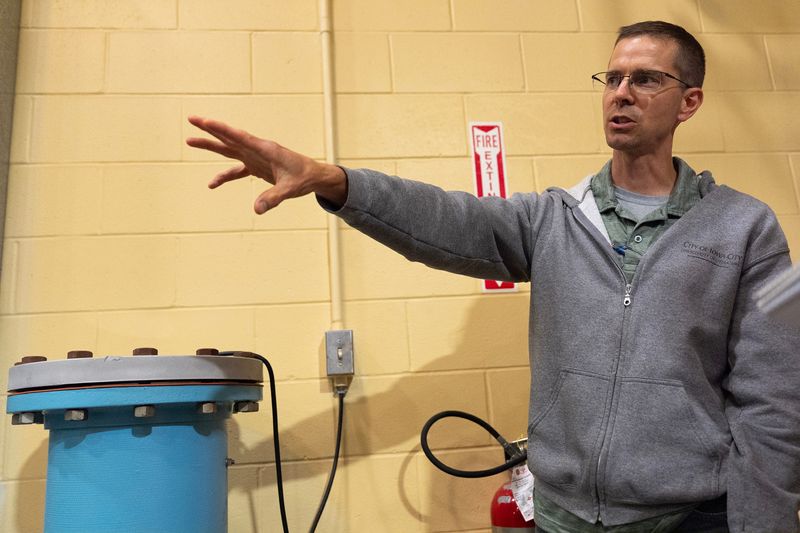
In a memo to the Iowa City City Council, water department superintendent Jon Durst said at-home tests are inaccurate and that the city’s lab testing revealed drinking water remains at safe levels. Durst told the Press-Citizen that the city tests nitrate levels daily due to the high nitrate levels in the Iowa River, the city’s main source of drinking water.
Nitrates are water-soluble compounds made of nitrogen and oxygen that come from agricultural runoff, manure, fertilizer, and leaking septic tanks.
According to the 2025 consumer confidence report from the water department, Iowa City’s drinking water averages five parts per million of nitrates, with ranges from 2.2 parts per million to 8.6 parts per million. The EPA requires water utilities to maintain nitrate levels below 10 parts per million.
Concerns stemmed from issues in the Des Moines metro. Central Iowa Water Works, the regional water utility in the metro, banned lawn watering earlier this year, which was lifted on July 20.
Nitrate levels remain high in the Iowa River
The City of Iowa City primarily draws its drinking water from the Iowa River. Nitrate levels in the river were above the safe drinking water limit for 10 months in the past three years, including five months this year, according to data from the Iowa Water Quality Information Systems sensor just upstream of the Iowa City Water Treatment Plant.
Durst said nitrates usually dissipate during the winter, though they have repeatedly seen high levels in the last year.
“We haven’t seen that abatement, that annual cycle of a high nitrate period during the growing season — the rainy season — with that low nitrate period during the winter,” Durst told the Press-Citizen. “Before, we could at least rely on some relief.”
Iowa’s agricultural economy, which is reliant on nitrogen fertilizer, and the manure produced by Iowa’s livestock operations are the largest contributors to Iowa’s nitrate pollution in surface waters. According to the Central Iowa Source Water Research Assessment commissioned by Polk County, agricultural sources contribute 80% of the nitrate pollution in the Raccoon and Des Moines rivers.
Iowa City uses a process known as “nitrate blending” to lower nitrate levels, which includes mixing high-nitrate water with low-nitrate groundwater.
Drawing Iowa City’s drinking water from the Iowa River and aquifers
“Nitrate blending” is cost-effective and best suits the city’s needs, Durst said.
According to the memo, a new groundwater well would cost only between $100,000 and $ 250,000, whereas other nitrate reduction methods could cost between $29 and $39 million.
The city draws most of its water supply from surface-water wells, or shallow wells near the Iowa River that tap water from beneath sandy deposits. The sand and rock naturally filter out some contaminants and reduce some nitrates. Because these wells pull from surface water, this water supply is more susceptible to pollutants.
The city also pulls from groundwater sources, including the Silurian aquifer, and in emergency cases, the Jordan aquifer, deep underground pockets of water that naturally occur over time. The aquifers have few or no nitrates.
When nitrate levels in the surface water supply are over the safe drinking limit, the city pulls from the groundwater sources, reducing the amount of nitrates.
The Iowa Department of Natural Resources prohibits the city from drawing from the Jordan aquifer more than 30 days in a year without approval, allowing other water utilities to draw from the same source. Since Iowa City has access to the Iowa River, its use is limited to preserve capacity.
The Jordan aquifer is roughly 1,500 feet below ground, and the Silurian is 500 feet below ground.
How to share concerns with the Iowa City water department
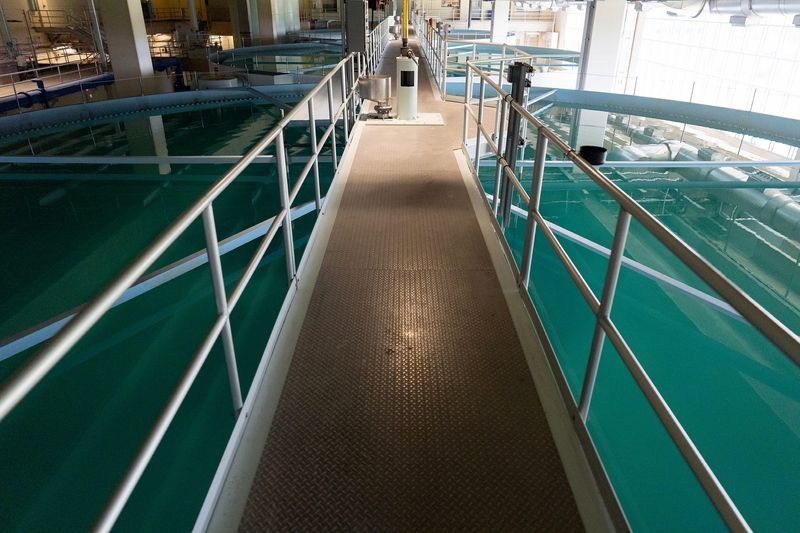
Certified water department employees can offer residents lab-certified results, a tour of the water treatment plant, and information on how to order a lab-certified test from the state hygienic lab.
To order an at-home water sampling kit, visit the state hygienic lab’s website or call 319-335-4500.
Residents are encouraged to share concerns with the water department at 319-356-5160.
Liam Halawith covers Johnson County local government, the University of Iowa, and crime for the Press-Citizen. Reach him by email at lhalawith@registermedia.com. Follow him on X at @liam_halawith.
This article originally appeared on Iowa City Press-Citizen: Iowa City says drinking water is safe despite nitrate concerns
Reporting by Liam Halawith, Iowa City Press-Citizen / Iowa City Press-Citizen
USA TODAY Network via Reuters Connect
By Liam Halawith, Iowa City Press-Citizen | USA TODAY Network