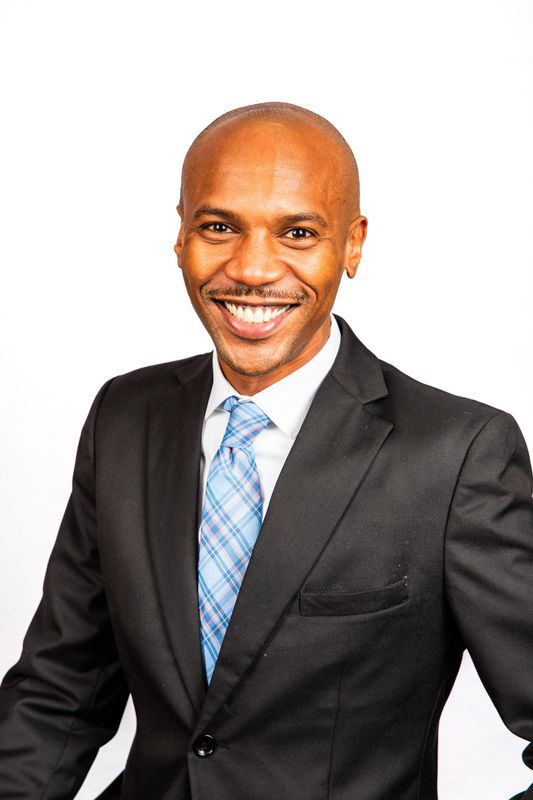
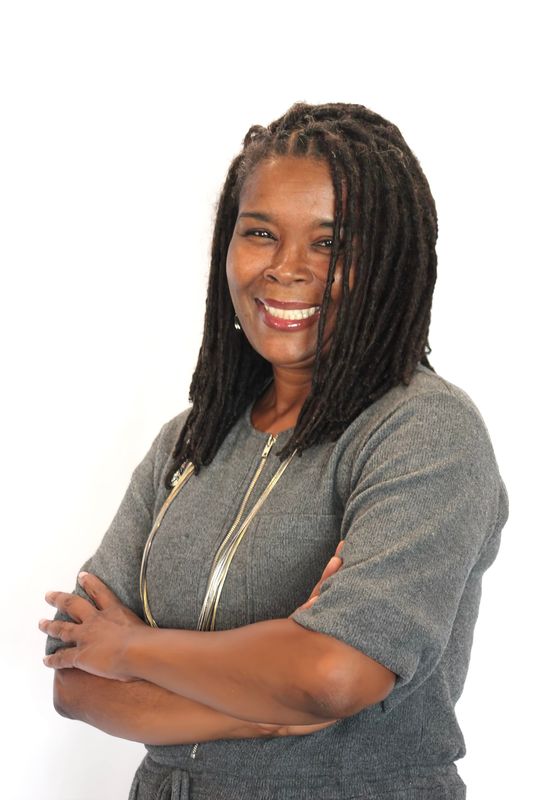
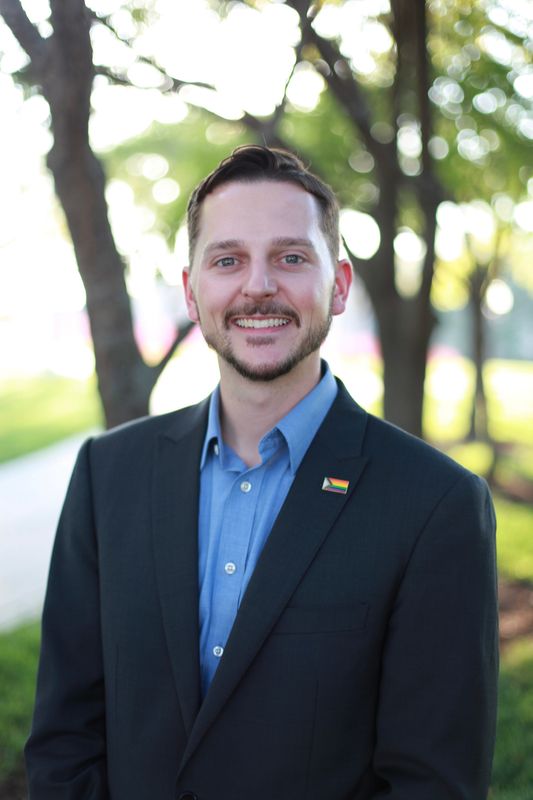
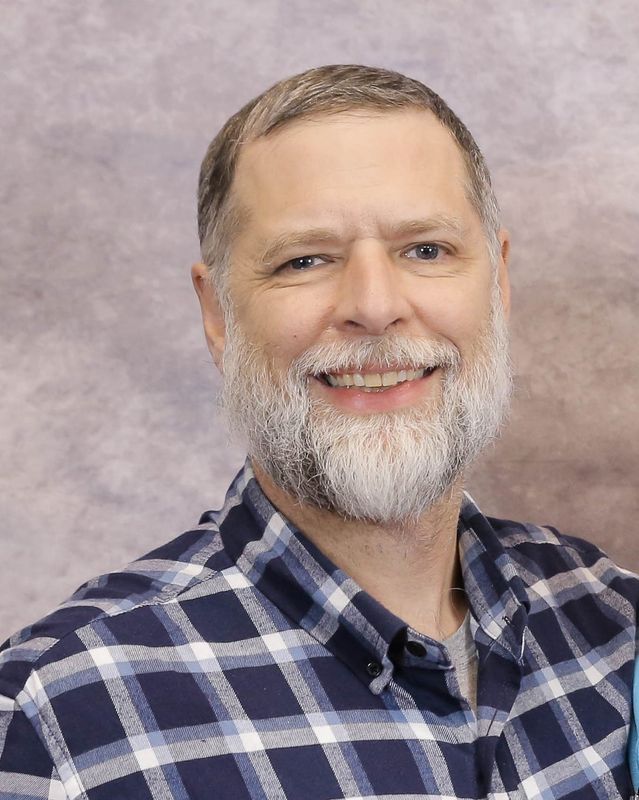
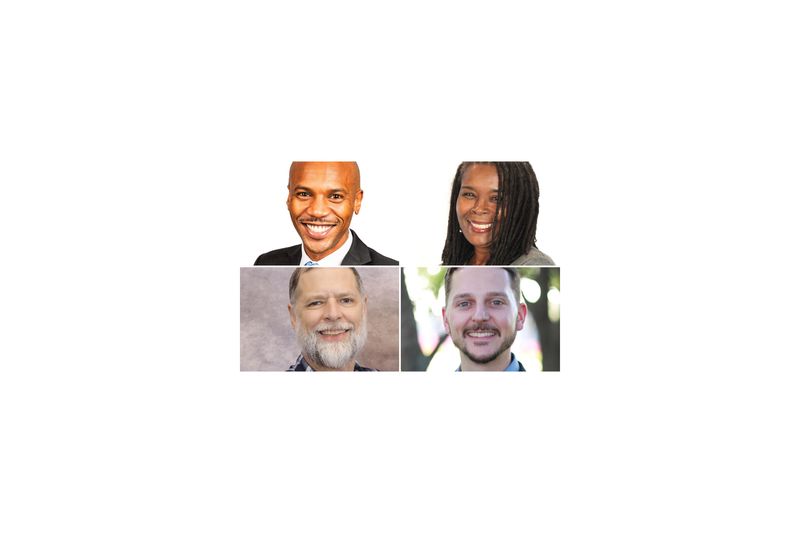
A four-way Democratic primary is underway to decide who will receive the party’s nomination for the open seat representing northeast Des Moines.
Rep. Ruth Ann Gaines’ decided not to seek reelection after eight terms in the Iowa House representing Iowa House District 33, which covers Des Moines’ East Village, Union Park and Highland Park neighborhoods.

The Democrat who prevails is poised to face Lynn Hammel, who is unopposed in the Republican primary, in the November general election.
To help voters, the Des Moines Register sent questions to all federal, statewide and Des Moines area legislative candidates running for political office this year. Their answers have been lightly edited for length and clarity.
Democratic candidate Randolph Scott did not respond to the Register’s questionnaire.
The primary election is scheduled for June 2.
Click below to see learn more about the candidates and where they stand on key issues:
| Bios | Top issue | Education | Taxes | Cancer rates | Eminent domain | Budget deficits |
Who is Blake Clyde?
Who is Ivette Muhammad?
Who is Cody Smith?
Who is Lynn Hammel?
What would be your top issue if elected?
Clyde (D): Housing affordability would be my top priority. Too many Iowans are being priced out of safe, stable housing, and rising property taxes are adding even more pressure on homeowners and renters alike. Iowa is one of the most outbound states in the country, in part because housing costs are outpacing wage growth. I would focus on increasing housing supply, preventing out-of-state investors from buying up housing stock, strengthening tenant protections, and pursuing property tax relief so people can stay rooted in their homes and communities.
Muhammad (D): My priority is strengthening education quality and expanding economic opportunity in House District 33. I will support small businesses as engines of local growth, advance financial literacy as a pathway to stability and ensure our schools prepare students for real-world success. I will also work to make District 33 a priority for targeted resources and investment so our community has what it needs to thrive.
Smith (D): Iowans have enough things to worry about, from putting a roof over their heads to having food in the fridge and putting gas in the tank — worrying about whether the water we drink is making us sick shouldn’t be one of them. For too long, the statehouse has put the interests of corporate agribusiness over those of everyday families, and it endangers our health, our livelihoods and our communities. I will bring my decade-plus of experience in water policy to the state capitol and finally make the investments in clean water that we need to reduce our rising cancer rates and protect our health.
Hammel (R): I vow to hammer down property taxes. Residents in my district know property taxes are too high and recognize that the government needs to tighten its belt, just as families do, by cutting wasteful spending. Additionally, we should have no tax on unrealized gains. Property values are set by the county assessor. Property taxes should be based on what we paid for the house unless there were major renovations. Someone in my district just sold their house for $8,000 less than it was assessed for. Realtor friends of mine say houses are selling for $7,000 to $70,000 less, which shows how broken the system is.
What policies would you support to improve Iowa’s education system?
Muhammad (D): 1) Require financial literacy for graduation. 2) Expand career pathways and apprenticeships. 3) Support teachers with better pay and retention incentives. 4) Invest in early childhood and student mental health. 5) Strengthen safe, supportive schools. 6) Direct resources to districts like Iowa House District 33. 7) Promote entrepreneurship and small business education so students graduate ready to succeed.
Smith (D): Iowa used to be known nationally for its premier schools and investments in a well-educated and prepared workforce. I would restore funding to our public schools by ending Iowa’s private voucher scam that forces us to pay for wealthy Iowans to send their children to private schools while our teachers and public schools are left with shrinking resources. I would also like to provide free community college tuition for middle- and working-class Iowans while investing more in Iowa’s state universities and expanding union apprenticeship programs to support other career pathways post high school.
Hammel (R): In K-12 education, we must determine how much of the money per student actually reaches the student and identify wasteful administrative costs that hinder investments in our children. We need to use dollars efficiently and maximize them to set students up for success. I would support teacher bonuses based on student growth in their classes.
Clyde (D): I would prioritize fully funding our public schools so districts aren’t forced to cut staff, programs and opportunities for students. That includes increasing per-pupil funding to at least 5%, investing in teacher pay and retention and expanding mental health and support services. I also believe the state’s ESA voucher program is a failed experiment that is draining public dollars from neighborhood schools and harming students’ futures, and it should be ended so we can reinvest in public education for every child.
Do you support Iowa’s recent tax policy changes, including lowering income taxes, and what additional tax law changes would you support?
Smith (D): We have an affordability crisis in our state, and I’m all for more Iowans keeping a larger share of their hard-earned money. But, for too long, those in power have prioritized the profits of special interests over the needs of Iowa’s working families, leaving us to fend for ourselves. I will seek solutions that make it easier to live, work and raise a family here. I want to freeze property taxes for seniors and low-income families, expand first-time homebuyer incentives and restore a progressive income tax that is based on fairness so working people don’t pay the same rate as a billionaire.
Hammel (R): I support lower taxes for everyone. Just like the state has done under Republican leadership, our local governments need to learn to spend efficiently and ensure hard-earned dollars stay with the taxpayer, not the government. Property taxes should be lowered and we must implement zero-based budgeting across the board. Governments sometimes spend money at the end of the budget cycle to ensure they receive the same or more funding next year. We as taxpayers do not have endless buckets of money and the entities spending our tax dollars need to operate accordingly.
Clyde (D): I do not support the direction of Iowa’s recent tax changes. While lowering the income tax rate to a flat 3.8% sounds appealing, it disproportionately benefits the wealthiest Iowans while reducing the revenue we rely on to fund schools, health care and public safety. We’re already seeing the impact, with two straight years of $1 billion+ state revenue shortfalls and increasing reliance on the Taxpayer Relief Fund. I support a more balanced tax system that asks those at the top to pay their fair share while providing relief to working families.
Muhammad (D): I support responsible tax relief that helps working families and small businesses, but it must be balanced so we can still invest in education, public safety and economic opportunity. I support a fair approach that doesn’t shift the burden onto the middle class. I would prioritize targeted relief for everyday Iowans, support small business growth and ensure districts like House District 33 receive the resources needed to thrive.
What actions would you support to address Iowa’s high cancer rates?
Hammel (R): Cancer rates in the Midwest have shot up. I know several friends and family members who have had cancer. We need to invest in cancer research to understand why rates are high before we know how to fix the issue. We must quickly establish the correct facts to solve the issue.
Clyde (D): Iowa’s cancer rates demand action on two fronts: prevention and access. I support comprehensive groundwater surveying, stronger water quality enforcement and holding polluters accountable for contamination risks. I also support home protection measures like radon testing kits and tax incentives for reverse osmosis systems. But early detection saves lives only when people can access care. I would prioritize increased funding for community health centers to expand cancer screening programs and reach every Iowan, regardless of their ZIP code or bank account size.
Muhammad (D): I support a comprehensive approach to address Iowa’s high cancer rates by focusing on prevention, early detection and environmental safety. This includes expanding access to screenings, investing in public health education and strengthening research partnerships. I would also support policies that reduce exposure to harmful chemicals in our water, soil and air. Ensuring all communities, including District 33, have access to quality care and resources will be critical to improving outcomes.
Smith (D): This is arguably the most important issue facing Iowa, and we are a national outlier. We have the nation’s fastest-rising and second-highest rate of new cancer cases. We also have the nation’s second-highest cancer rates in people under 50. I am an expert in the environmental risk factors of cancer with a record of introducing policy to reduce these exposures in Iowa. From radon and nitrates to industrial air toxins and forever chemicals in our drinking water, we need leaders who understand these issues. I would support increased monitoring, enhanced regulation and swift action.
When do you believe it is appropriate to use eminent domain, and should it be used to build carbon capture pipelines?
Clyde (D): I’m very cautious about the use of eminent domain, especially given its history of disproportionately harming Black and brown communities through practices like redlining and highway construction that displaced entire neighborhoods. Eminent domain should be used only in rare cases for clear public good, like essential infrastructure that directly serves communities. I do not support using it for private, for-profit projects like carbon capture pipelines, where the public benefit is unclear and the burden falls on individual landowners.
Muhammad (D): Eminent domain should be used sparingly and only for clear public good — projects like roads, schools and infrastructure that broadly benefit the community. It must protect property rights, ensure fair compensation and include strong local input. I do not support using eminent domain for private carbon capture pipelines. If projects move forward, they must be voluntary, transparent and demonstrate clear, direct public benefit without burdening landowners.
Smith (D): The standard for eminent domain use is that it must serve the public good; I believe it should only be strictly authorized for that purpose and not solely for the profit of private corporations. The carbon capture pipeline is a glaring example of corporate greed and greenwashing, and it will neither benefit Iowans in the short-term nor will it reverse the long-term challenges of an ethanol industry that relies on subsidies and extracting every last dollar from farmers to limp by. We pay for this broken system with our health, and landowners should not bear this cost, either. I oppose this use.
Hammel (R): I grew up on a century family farm in northeastern Iowa, and I believe no landowner should be forced to allow the carbon pipeline through their property. A proposed carbon pipeline runs directly by our family farm, and I believe that carbon pipeline companies should only use voluntary easements for their profit projects.
How would you remedy Iowa’s budget deficits driven by lost revenue? Are there certain services you would prioritize for cuts?
Muhammad (D): I would address Iowa’s budget deficits with a balanced, responsible approach — protecting core services while strengthening long-term revenue stability. I do not support across-the-board cuts that weaken education, public safety or essential health services. Instead, I would prioritize efficient use of funds, reduce waste and evaluate tax policies to ensure they are sustainable and not shifting the burden onto working families. My focus is protecting investments in education, workforce development and community safety — while making sure districts like House District 33 are not left behind.
Smith (D): I would eliminate Iowa’s flat income tax rate that disproportionately burdens low-income families in favor of a progressive tax system that makes wealthy Iowans pay their fair share in taxes. I would seek to legalize, decriminalize and tax marijuana for recreational use, potentially generating tens of millions in tax revenue. I would close loopholes for corporations that receive multimillion dollar property tax boondoggles only to exploit Iowa workers and leave the state in just a few years. We also need to make investments in infrastructure and housing that keep young people in Iowa.
Hammel (R): County and city budgets must learn how to use technology to save time and money. I have worked in the IT field for over 25 years, and there are many ways governments can cost but still provide the same great services.
Clyde (D): I would start by reversing the tax cuts that overwhelmingly benefited the wealthiest Iowans and created two straight years of billion-dollar shortfalls. Working families shouldn’t bear the cost of that mistake through cuts to schools, health care, or public safety. If additional savings are needed, I’d start with wasteful spending: private school vouchers that drain public dollars without accountability, and corporate subsidies that reward out-of-state interests instead of Iowa workers and communities.
Read more about the midterm candidates at: https://www.desmoinesregister.com/news/elections/.
Marissa Payne covers the Iowa Statehouse and politics for the Register. Reach her by email at mjpayne@registermedia.com. Follow her on X at @marissajpayne.
This article originally appeared on Des Moines Register: Des Moines-based Iowa House candidates sound off on cancer, education
Reporting by Marissa Payne, Des Moines Register / Des Moines Register
USA TODAY Network via Reuters Connect