It’s summer in Iowa, and that means many Iowans are spending as much time outside as possible.
But, nothing is perfect, and the warm-weather pleasures of picturesque sunsets, refreshing lake swims and quiet woodsy hikes sometimes come hand-in-hand with wildlife that can bite us, insects that can sting and sicken us and plants that can poison us.

Fortunately, a little basic sense and some insider tips can help us avoid the perils of Iowa’s outdoors — or at least deal with the effects of ill-fated encounters.
Iowa State University Extension and Outreach has plenty of guides for poisonous plants, dangerous insects and problem wildlife.
Beware of Iowa’s biting and stinging insects
They’re small, relentless and everywhere.
If you are going to be afraid of something on your outside adventures this summer, be afraid of chiggers, wasps and other stinging insects. They may be small, but they can cause a lot of damage.
Chigger is a common name for the larval stage of mites that feed on warm-blooded animals, including humans, according to Iowa State University Extension and Outreach. Closely related to ticks and spiders, the chiggers inject a digestive fluid containing enzymes that can cause skin cells to rupture.
Usually, a chigger bite is a small, reddish welt. As they’re most numerous in early summer and insect repellent can be useful for avoidance, ISU Extension said.
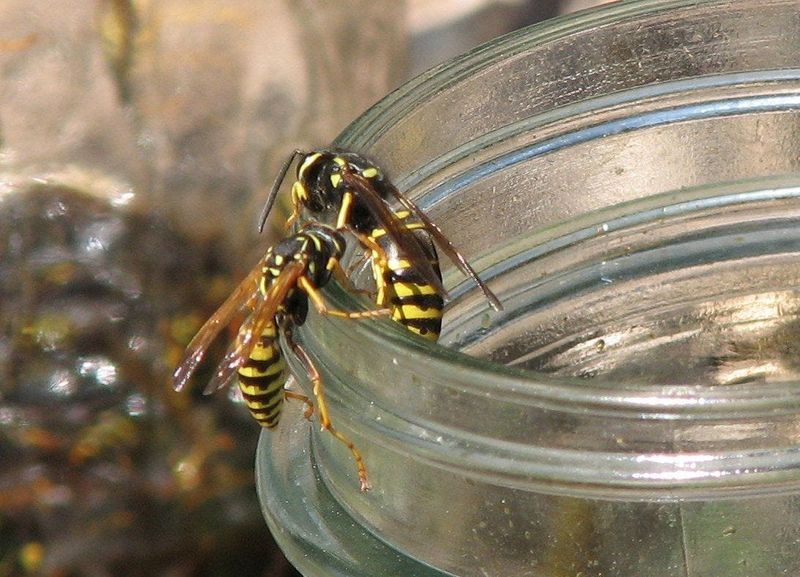
Later in the summer, Iowans can expect to see more yellowjacket bees and wasps. Populations peak around the same time as the Iowa State Fair, according to Iowa State University Extension and Outreach. Each nest can have up to 5,000 wasps. The practical control for these pests is to swat wasps as they emerge from walls and nests, and wait for the remainder to die of old age and cold weather.
Other tips to help avoid bee and wasp stings:
Give a wide berth to coyotes in Iowa
Wolves have been the villains in folk tales throughout history, but coyotes don’t have great reputations in pop culture, either. How much should Iowans fear them in real life? Not much, but people should still be very cautious around these animals.
Iowa State University Extension and Outreach notes that conflicts between people and coyotes are relatively rare. In the presence of a coyote, folks should shout, make noise, or throw something in its direction, and call authorities to report coyote problems or encounters.
Watch out for snakes in Iowa
As a group, the reptiles of Iowa aren’t too worrisome. But they are definitely not cuddly.
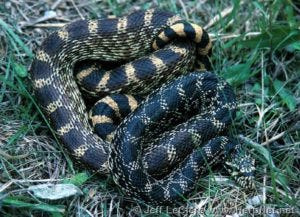
The 28 species of Iowa snakes range from the tiny and uncommon 7-inch western worm snake to the common bullsnake, which can be more than 5 feet long, according to Iowa State University Extension and Outreach.
While you’ll find Iowa’s most dangerous snakes in woods and open areas, it’s possible to find some smaller snakes in your homes and farmland.
“The best recourse when you find a snake in a dwelling is to direct it into a container with a broom and then release it on another area on your property away from your house,” wrote Iowa State University Extension and Outreach.
Remember with poison ivy, ‘leaves of three, let it be’
Poison ivy is a member of the cashew family, but it won’t be found in the snack aisle. It’s a low, woody shrub or a climbing vine, and it’s annoyingly found just about everywhere.
Heed the old saying, “Leaves of three, let it be.”
Poison ivy is divided into three leaflets, connected directly to the stem of the plant. All parts of poison ivy contain oils that cause skin irritation to about half of the people who come in contact with it. It causes itching, dermatitis and blistering, followed by scabs. It’s also toxic all year, meaning that even dry, fallen leaves are poisonous.
If exposed to poison ivy, wash the exposed area with water and regular or special soap (such as Tecnu) as soon as possible, the University of Wisconsin Extension recommended.
Victoria Reyna-Rodriguez is a general assignment reporter for the Register. Reach her at vreynarodriguez@registermedia.com or follow her on Twitter @VictoriaReynaR.
This article originally appeared on Des Moines Register: As you’re outdoors this summer, watch out for these hazardous plants and animals in Iowa
Reporting by Victoria Reyna-Rodriguez and Keith Uhlig, Des Moines Register / Des Moines Register
USA TODAY Network via Reuters Connect