IOWA CITY — Marshawn Kneeland scored the first touchdown of his NFL career on Monday Night Football.
The Dallas defensive lineman did it on special teams during a nationally-televised matchup between the Cowboys and Arizona Cardinals on Nov. 3. During the second quarter, the Cowboys blocked a punt, and Kneeland recovered it in the endzone for a touchdown.

But that was the last game he would ever appear in.
Later that week, Kneeland died from an apparent self-inflicted gunshot wound in what’s being investigated as a possible suicide, according to Frisco Police. He was 24 years old.
The native of Grand Rapids, Michigan, played college football at Western Michigan before being selected in the second round of the 2024 NFL Draft by the Cowboys.
Kneeland’s death is a tragic, yet urgent reminder of the importance of mental health, regardless of whatever wealth, social status or athletic success someone might have.
This is much bigger than sports and football and bitter rivalries.
Nebraska football coach Matt Rhule spoke at length on the topic in the aftermath Kneeland’s death.
“Our generation of kids, my kids, they all just say, ‘Yeah, I’m fine, I’m straight,’” Rhule said on Nov. 6. “It’s just like, you’ve really got to unearth it. So I look at road trips and travel — and I look at time together, practice — as chances to impact young people’s lives and try to be around them. I would encourage everybody to. I would encourage everybody, today, with your own kids, with the people you work with, just check on them. Because that young man scored a touchdown just a couple of days ago. On the outside world, you’d think he’s at the pinnacle. But he’s dealing with something and I don’t know what it was. But I pray for him — him and his family.”
Here are candid conversations with Iowa football players about what they think would be good for fans to understand about athletes and mental health.
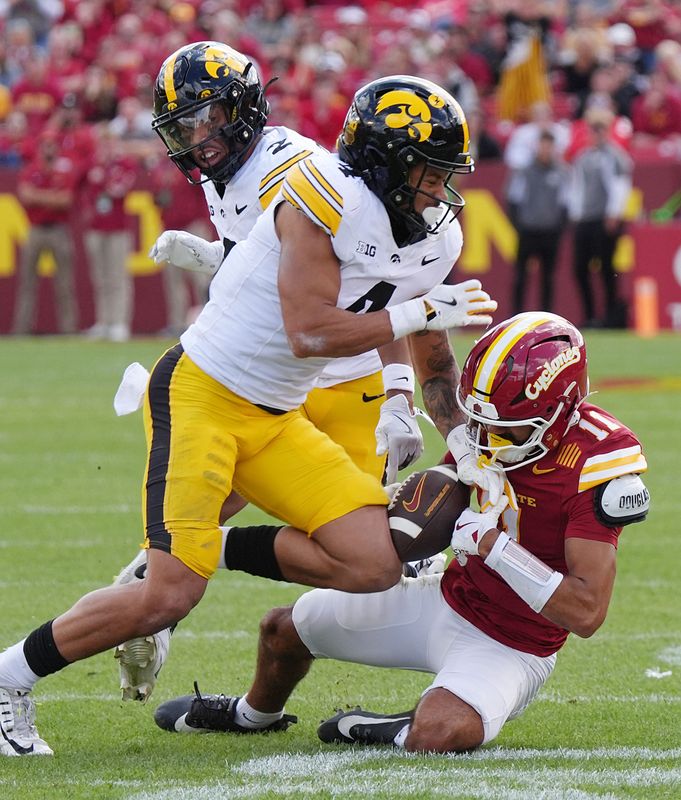
Iowa defensive back Koen Entringer: “I think the biggest thing is that we’re people at the end of the day. I think the big difference between an athlete and just like your McDonald’s worker, per se, is like, we’re putting our job out there on the line, you know? Our job is out there, visible to see for everybody. And we make mistakes, too. But I think people forget sometimes that we are human.
“When we make a mistake, yeah, it might cost a touchdown, it might mess up your parlay, but I think you’ve got to have the same grace that you have for your boss or somebody like that when they forget to bring a copy to the meeting room, you know what I mean? We’re human. We all make mistakes and we’re all just trying to be the best version of ourselves.”
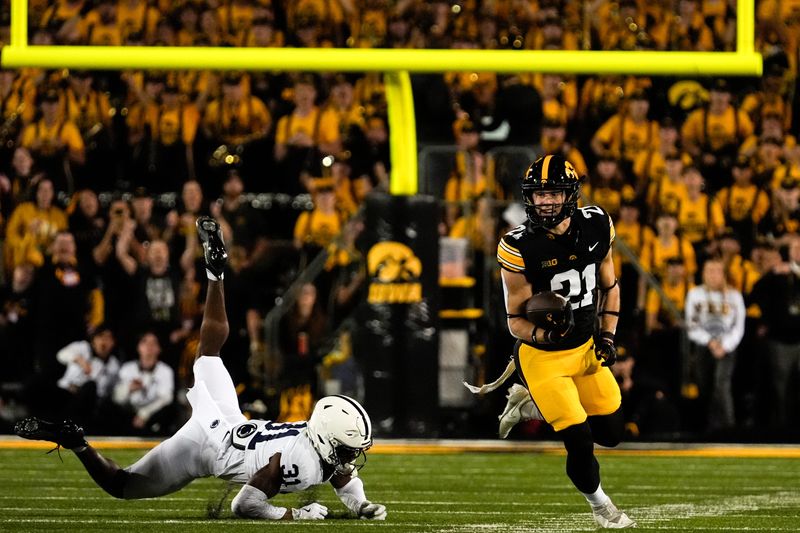
Iowa returner/receiver Kaden Wetjen: “Everybody sees us playing on the field. There’s 12, 13, maybe 14 opportunities a year that you get. So that’s what the fans see. But they don’t see the whole rest of the year that you put the work in. And guys go through a lot, and it’s not just football. It’s life in general. At the end of it, everybody’s going through something. People just don’t see everything that really goes on behind the scenes.
“So it’s important, if you know somebody who’s playing football, or any sport in general, just kind of stay in touch with them and see what they’re going through. Because if they’re going through a tough time, you can hopefully help them out or talk to them about it. But it just kind of sucks to see some guys like that who go through stuff and don’t really have people to talk to about it.”
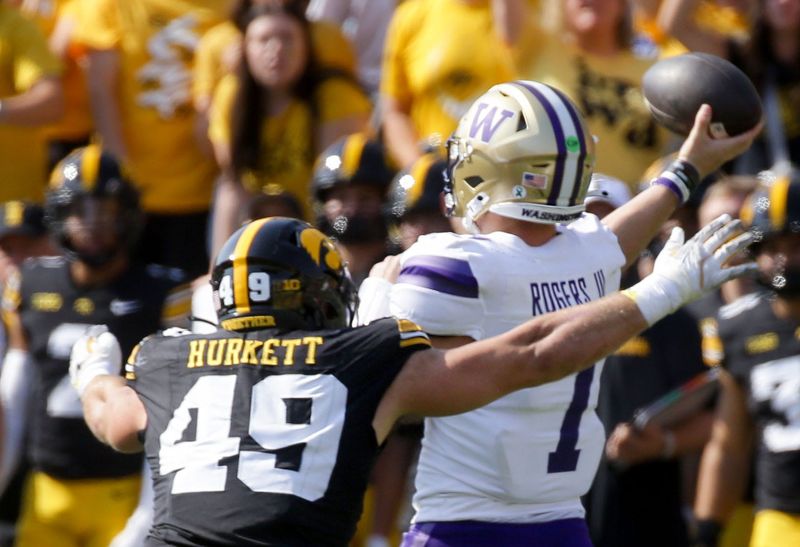
Iowa defensive lineman Ethan Hurkett: “I think at the end of the day, people are still human. I think if people have an underlying mental health type of thing going on, they look the same as anybody else. I saw videos of (Marshawn Kneeland), smiling, joking, laughing, weeks before that. So, I think just being kind to people goes a long way — people you know, people you don’t know. Just being kind and knowing that they could be going through something you can’t see.”
Hurkett on whether people might see them as athletes but not humans: “100 percent. And I think I’ve been guilty of that, too. If I go to some event, it’s easy to scream and yell and get angry, which, that’s part of the fun, too. But I think some people can take it too far sometimes, obviously, especially online. But that comes with the territory, too, I suppose, of playing at this high stage.”
Iowa receiver Jacob Gill: “A lot comes with the game just from day-to-day processes. The game of football, it’s a lot on your mental. So I’d just say, pray for those people that are going through it, because it’s a real thing. Mental health is a real thing. To all the other athletes, take whatever steps you need to help with that. For me specifically, I lean on my faith and on God when things get hard. I just always lean back to God. He’s been my cornerstone in my life and that helps me get through a lot of things. I just pray for the family of (Marshawn Kneeland).”
Gill on whether people might see them as athletes but not humans: “Yeah, I feel like that could play a role, for sure. Sometimes, people just see us as our numbers and things like that. But behind it all is a human, is a person and we all have our lives outside of football, as well. Our identity is bigger than a football player. So just understanding that side of it, as well… It’s tough, for sure (finding your identity outside of football). You spend so much time with this game, we turn it into our identity. We want to get to the next level. We want our job to be a football player. So when you’re focused on that, that’s what comes with it. But at the end of the day, you’ve got to realize that there’s more to life than that.”
Help for suicidal thoughts
The signs that someone may be at risk for suicide can vary. Here are a few of the warning signs that someone may be having suicidal thoughts, according to federal officials:
A number of services are available for those in need of help. If you or someone you know is having a medical emergency or mental health crisis call 911.
Follow Tyler Tachman on X @Tyler_T15, contact via email at ttachman@gannett.com
This article originally appeared on Des Moines Register: After Marshawn Kneeland’s death, Iowa football players discuss importance of mental health
Reporting by Tyler Tachman, Des Moines Register / Des Moines Register
USA TODAY Network via Reuters Connect