SOUTH BEND — When Trina Robinson agreed to be a part of the South Bend Reparatory Justice Commission, she told the Common Council she’d do it under one condition.
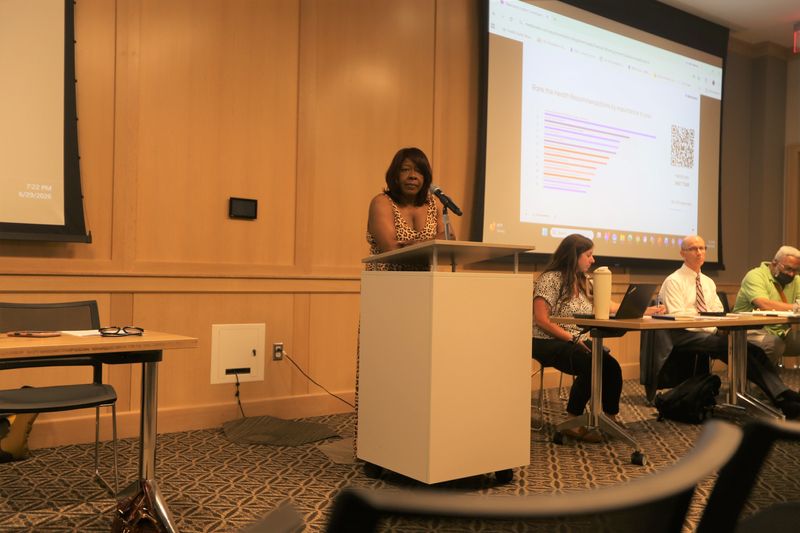
“I didn’t want my name attached to anything that sits on a shelf,” Robinson said. “I mean that from the bottom of my heart.”

Robinson and other members of the commission created a 138-paged reparatory justice report that documents a history of racism and discrimination against Black residents in the city as well as how that history is still affecting residents now.
The commission consisted of four subcommittees that dissected areas of economic opportunity, housing, education and health disparities and provided recommendations the commission believes the city should take to minimize the harm done to Black residents and better support the community.
Some of the recommendations are immediate, while others are suggested to be completed within three to five years. In fact, the city has already completed the first recommendation provided by the commission.
On June 9, Mayor James Mueller formally apologized for the role the city played in practicing racial discrimination against Black residents. He did so after the report was presented to the Common Council on June 8.
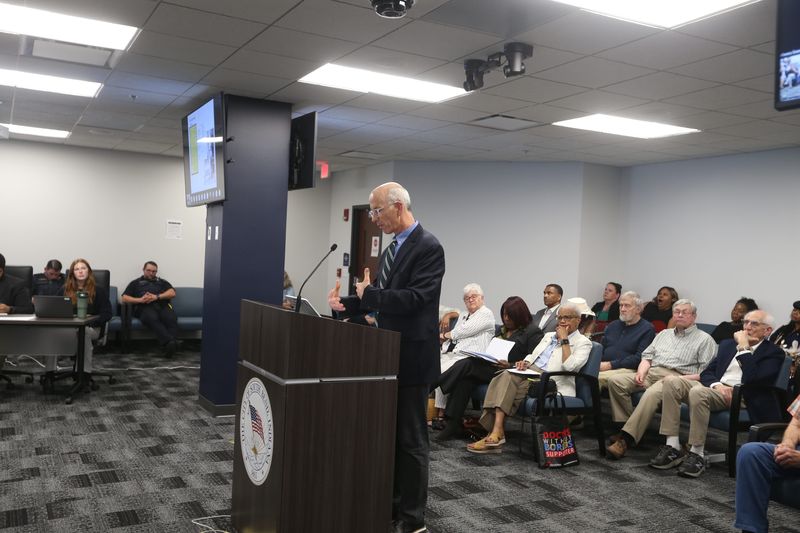
“I have read the report and acknowledge what it documents: a history of racial discrimination in South Bend in housing, in employment, in education, in health [and] in the basic fairness of services,” Mueller said during the apology. “It’s real and sustained for more than a century. I am sorry for it.”
The second recommendation is nearly complete now that the document has been filed with the clerk’s office on May 4, making it a public document, and posted to the official city website to make it easily accessible.
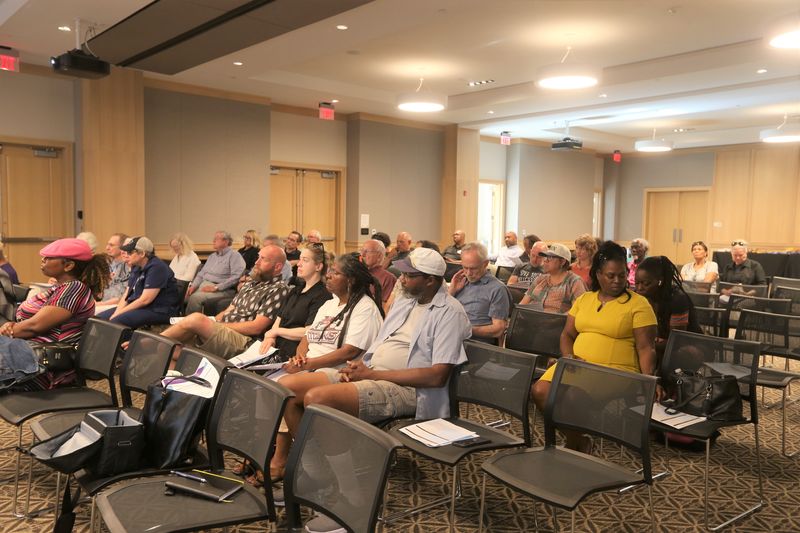
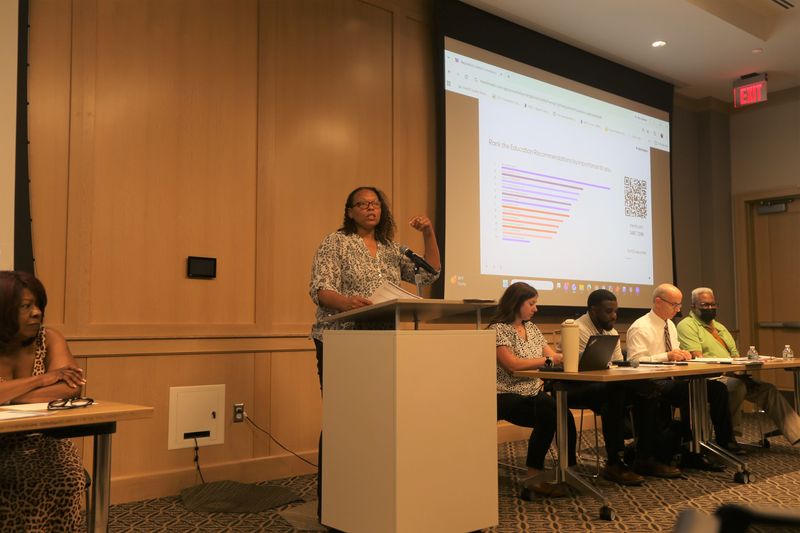
But with Robinson’s drive to see more of the recommendations implemented, the commission held a presentation at the downtown St. Joe County Public Library Main Branch on June 29 to provide context on and push for what the city can do next.
Economic opportunity and employment subcommittee
Commission member Jay Lewis presented recommendations from the economic opportunity and employment subcommittee.
“We were looking at asking what the city can do,” Lewis said.
When the report was presented formally at a Common Council meeting, Lewis shared that Black people came to South Bend in the early 20th century to find some form of work. The Black population began to rise during World War II because factories were seeing a shortage of workers, The Tribune previously reported.
But many factories, with the exception of three, refused to hire Black workers, and the discrimination extended to where they could eat, shop and socialize.
“This all goes to show that, as it’s quoted in Gabrielle Robinson’s book, ‘there were folks who came from the South, having to flee Jim Crow, but they met Jim Crow in the north,’” Lewis said.
The fallout of economic disadvantages from the early 1900s is still having an impact today. The average net worth of Black people in South Bend is less than half of the net worth of the White population, and there are fewer Black workers in management or higher-paying jobs, Lewis and the committee found.
The reparatory justice commission’s study also found that there are fewer Black-owned businesses in South Bend, there being records that only 10% of South Bend businesses are Black-owned.
To combat these issues, the reparatory justice commission recommends that the city does the following:
● Immediately increase preferential contracting and purchasing from local Black-owned businesses, including everyday materials and services, such as office supplies, cleaning supplies, food and beverage services.
● The city, its agencies, contractors, partners and large employers should within three months eliminate the question about past criminal convictions on initial job applications unless state law clearly requires it; any questions should be limited to convictions directly related to the job.
● Expand adult financial counseling within six months through the Financial Empowerment Center and Partnerships with banks, financial institutions and neighborhood organizations to build net worth and generational wealth.
● Create a youth financial basics program for middle and early high school students within a year covering home purchasing, credit, budgeting, mortgages, retirement and basic taxes with participation from Black business/financial leaders.
Housing subcommittee
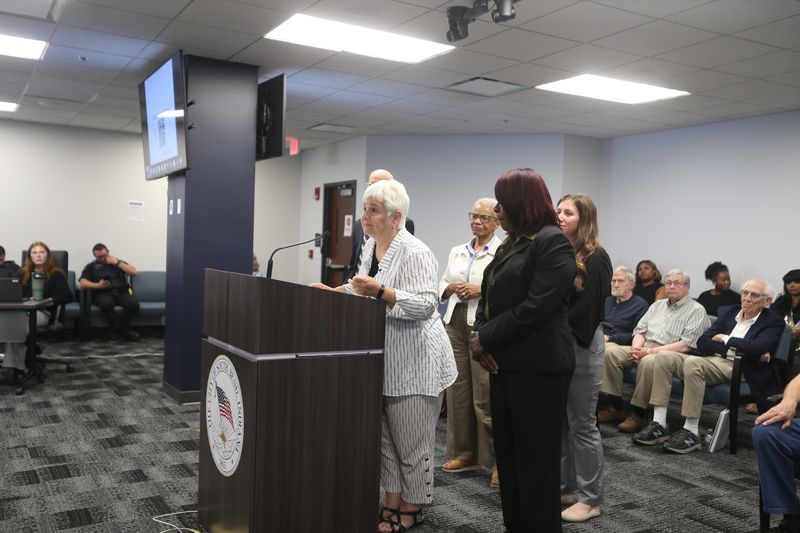
According to previous Tribune reporting, when the war industries started to hire Black people, the issue arose of where they would live. Black residents lived in Maggie Court, Beck’s Lake and a little area near Olivet A.M.E. Church, Reparatory Justice Commission member Judith Fox said.
Discriminatory practices, such as redlining and racial covenants, kept Black people away from areas where white residents lived and prevented “the infiltration of inharmonious racial groups,” Fox said.
Discrimination in the housing market continued well into the ‘80s, Fox said, as residents were redlined and told homes weren’t for sale when they were — just not for Black people.
Fox and her subcommittee recommended the following actions for the city:
● Discontinue aggressive repair orders immediately against homeowners unable to afford repairs and create fine forgiveness for homeowners constructively working with the city.
● Support and expand home maintenance grants and streamline the process, when possible, within three months.
● Maintain infrastructure equally in all neighborhoods of the city within six months.
● Robustly review new developments within a year to prevent displacement/gentrification and guarantee affordable housing inclusion.
Education subcommittee
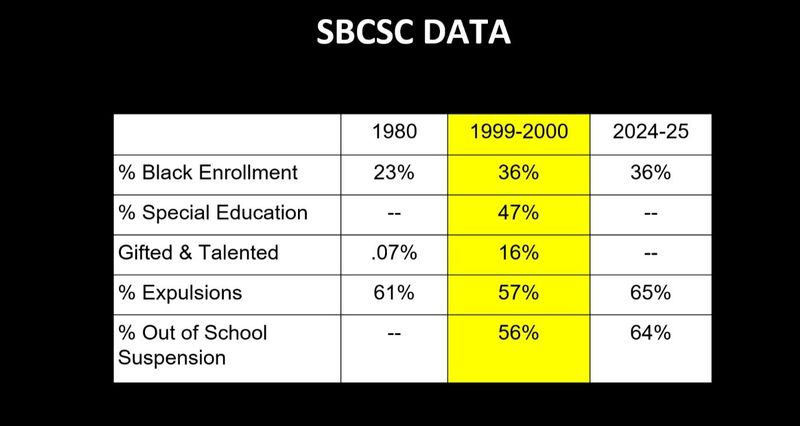
Alma Powell, who presented the education portion of the report at the common council meeting, said the inequalities in education have had the most longevity and consequential, negative impacts on Black children.
During their research, the education committee found proof of a superintendent in the ‘80s stating that putting students of various races in one classroom reduced achievement for all of them. At the same time, Black students made up about 25% of the total student population, Powell said.
“A disproportionate number of Black children grow up in poverty, which often means reduced access to quality preschool programs, fewer literacy opportunities and fewer academic resources,” Powell said. “These disadvantages can contribute to increased referrals to special education, lower graduation rates for African American students, reduced enrollment in advance coursework and ultimately, fewer economic opportunities as adults.”
South Bend Community School Corporation data showed that during the 2018-2019 school year, Black students were assigned 8,827 days of exclusion. By taking 8,872 and multiplying it by the number of classes missed (7), and the 47 minutes missed each class, education subcommittee member Regina Williams-Preston said, Black students lost more than 3 million minutes, or 50 years of instruction in total.
Williams-Preston presented the following educational recommendations for the South Bend Community School Corporation:
● SBCSC should immediately track and study expulsions and behavior-related discipline and engage mental health/behavioral science professionals to reduce longstanding racial disparities.
● Within six months, SBCSC should implement vigorous recruitment of Black teachers from local, state and neighboring-state colleges/universities, and intentionally seek students from HBCUs.
● Within a year, the city, SBCSC, social agencies and employers should unite to provide free/minimal-cost early childhood education in high-poverty areas and monitor incomes.
Physical and mental health subcommittee
Much of the health subcommittee’s work focused on understanding how racism and discrimination both historically and locally helped shape health outcomes for Black residents in South Bend, The Tribune previously reported.
The committee found more recent examples of racism, such as pages in a nursing textbook that highlighted how different races and ethnicities experienced pain. The textbook claimed that Black people have a higher pain tolerance and believe suffering and pain are inevitable, which shocked committee member Cassie White.
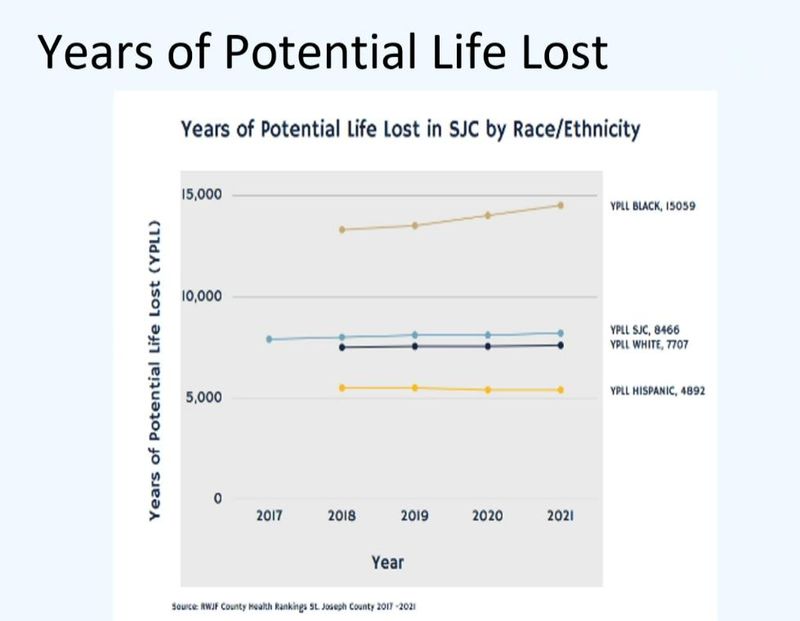
Data collected by the county in 2021 also showed that despite technological advances, Black residents are still dying from heart attacks and lung cancer at a higher rate than their white neighbors.
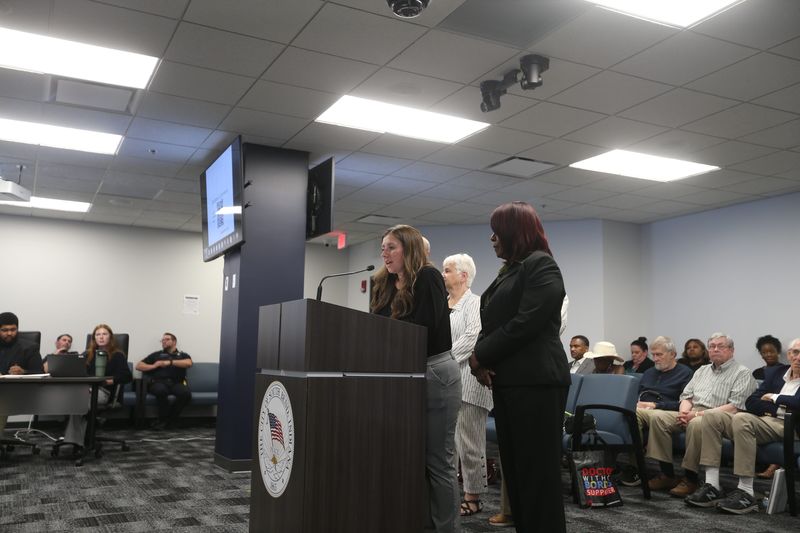
“Mortality is one of the clearest indictors of community health and equity,” White said while presenting to the Common Council on June 8. “The Black infant mortality ranges over the years [in St. Joseph County] but is around three times that of other races and ethnicities across the community.”
The health subcommittee created the following recommendations for the city and the St. Joseph County Health Department to adopt:
● Immediately fund prenatal care, doula services and postpartum support for Black mothers as well as partner with hospitals to reduce Black infant mortality and low birth weight disparities.
● Within six months, accelerate cleanup for toxic sites such as Beck’s Lake and Surrounding neighborhoods and conduct long-term health impact follow-up.
● Ensure access to healthy and affordable foods, especially on the west side, within a year.
These are just a few of the 62 recommendations listed in the reparatory justice report. Robinson said she and the committee are prepared to ensure the recommendations move forwards.
“We’re going to work together as a community to make sure that this gets done because I think we can be the pace setter,” Robinson said. “We are small, but we can be mighty… Let’s move. I’m not afraid and neither should you [be].”
Residents looking to learn more about the report or read up further on the recommendations can visit the commission’s website for more information.
Email South Bend Tribune business reporter Jessica Velez at jvelez@usatodayco.com.
This article originally appeared on South Bend Tribune: Reparatory Justice Commission shares 62 recommendations with the city
Reporting by Jessica Velez, South Bend Tribune / South Bend Tribune
USA TODAY Network via Reuters Connect


By Jessica Velez, South Bend Tribune | USA TODAY Network