It has been almost two decades since citizens across Indiana descended upon the Indiana Statehouse to say they were tired of the public education system treating their homes like a personal piggy bank. The outcry was so overwhelming, it brought sweeping change. Tax caps were instituted in 2008 and enshrined into the Indiana Constitution two years later.
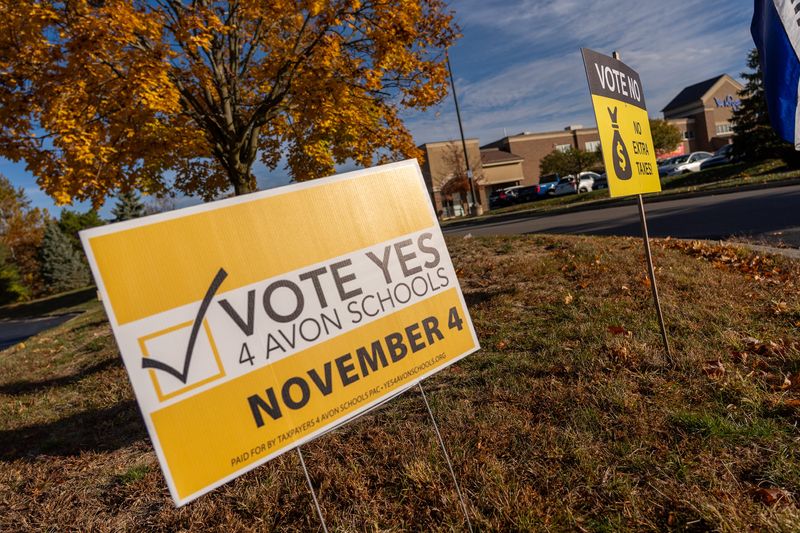
Every year since, school corporations across the state have forced taxpayers to fight for their constitutional right to tax caps by defeating referendums. These public questions, if passed, can raise homeowners’ property taxes above the 1% cap.

Schools shouldn’t force taxpayers to spend their own time and money to defend something so important it was put into the constitution.
Referendums are the product of uncreative administrators and school board members who believe they are entitled to an unlimited amount of other people’s stuff.
The referendum game is totally rigged
I led a group that defeated a $100 million referendum in Brownsburg in 2015.
Public schools have several advantages in the referendum fight. They have everything to gain and nothing to lose. If a referendum fails, a school can bring it back two years later without punishment.
The taxpayers are always on the hook. If they lose once, their taxes go up, usually forever.
School systems also have a massive financial advantage during referendums, allowing them to hire highly paid consultants using school funds.
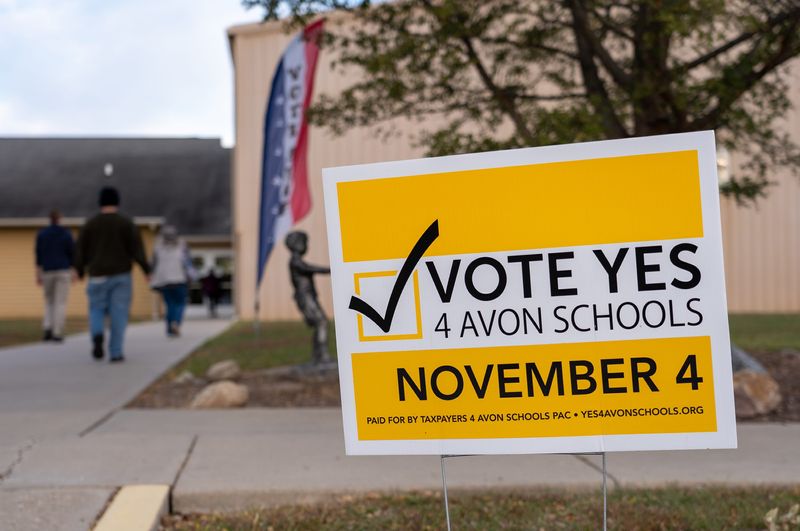
School systems can also easily garner massive donations to political action committees, which they use to buy signs, door hangers and mailers. Often the top contributors to these PACs are construction companies and other merchants who do business with school system.
Citizens opposing referendums are on their own. Every penny raised comes from homeowners or businesses owners who do not want their property taxes to go up. This often puts them at a massive fundraising disadvantage.
Schools ignore intent of property tax cuts
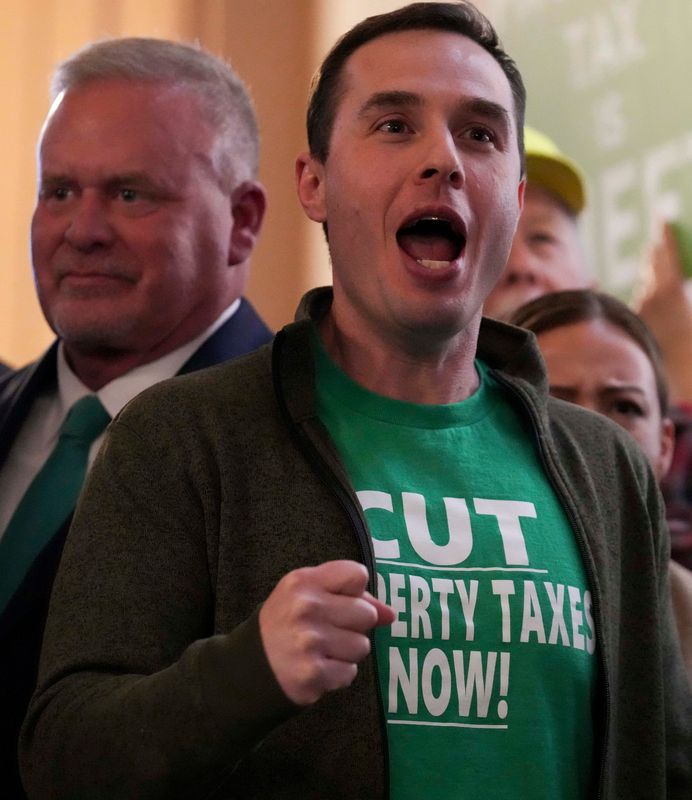
Nearly 20 years after the first property tax fight, Hoosiers again said they had enough. I led a rally of more than 1,000 people to the Indiana Statehouse last spring to protest their bills. The issue had become so big, Gov. Mike Braun made it the top priority during his 2024 run for governor.
What resulted was a property tax bill that benefited businesses far more than homeowners. Massive deductions in personal property taxes for businesses won out over discounts for senior citizens, fixed income and middle-class Hoosiers.
While advocates failed to secure enough savings for the people who need it most, the message to governments across the board, including schools, was clear. Local governments should not consider residents’ homes an unlimited source of revenue.
School systems responded by ignoring the intent of the law.
The Indiana Coalition for Public Education has estimated that as many as 100 school corporations will seek referendums this fall. There are only 92 counties in Indiana. That means more than one school system per county will seek a sizeable tax increase on residents.
Referendums are an act of entitled administrators
Referendums don’t have to happen.
Citizens must make hard decisions every day. If their income shrinks, they prioritize expenses. Many people aren’t taking vacations and are holding off on non-essential purchases due to inflation and a tight economy. They are shopping differently at the grocery store and downsizing expectations.
Schools believe they are immune to living by the same standards as the people who fund them. They throw a referendum on the ballot and see if they can guilt the public into passing it, instead of respecting taxpayers and making do without a few overpaid administrators, a new football field, an aquatic center or numerous other non-essential expenditures.
Any school administrator or school board member who supports a referendum is entitled. They refuse to roll up their sleeves and be the least bit creative, finding new ways to maximize resources and respect the massive hit taxpayers have taken the last five years.
Brownsburg, one of the top performing school districts in the state, has shown how referendums can be avoided. School leadership implemented a series of cuts to staff and non-essential services and expenses.
They also came to an agreement for a short-term funding allocation from the town and township governments in exchange for a guarantee not to seek a referendum. That funding is required to go into specific classroom — not athletic — endeavors and must be evaluated each year before future money is released.
There was a clear desire by Brownsburg to respect the message of voters who defeated their referendum a decade ago. They conceded education could still be administered at a high level and taxpayers could be protected. If they can do it, so can everyone else.
Time to stop the referendum insanity
For two decades, school districts have proven they cannot be trusted to do what is right for taxpayers. Referendums were allowed as part of the 2008 reforms for emergencies. They are often used for anything but.
Schools have also sent a clear message that they are never going to accept any sort of reduced revenue. Any future property tax reform will be met with an immediate surge in referendums.
If state leaders care about reducing property taxes, the decades of greed and entitlement from public schools have left the governor and General Assembly with no choice but to eliminate the referendum process.
Rob Kendall is the host of The Rob Kendall Show, which broadcasts 10 a.m. to noon weekdays on YouTube and is available on-demand on most major podcast platforms.
This article originally appeared on Indianapolis Star: Indiana voters want tax cuts. Public schools want tax hikes. | Opinion
Reporting by Rob Kendall, Contributing Columnist / Indianapolis Star
USA TODAY Network via Reuters Connect