When Zepbound, Eli Lilly’s highly anticipated weight loss drug, hit the market a year and a half ago, it marked a turning point for the accessibility of weight loss drugs.
Since then, Zepbound, the brand name for tirzepatide, has nearly become a household drug brand. Lilly estimates 4.5 million people take one of the Indianapolis drugmaker’s GLP-1 medicines to lose weight or curb other health concerns like sleep apnea.

But a recent coverage change by a major pharmacy benefit manager may force many to decide how much they’re willing to pay for the drug or whether they want to try another weight loss option.
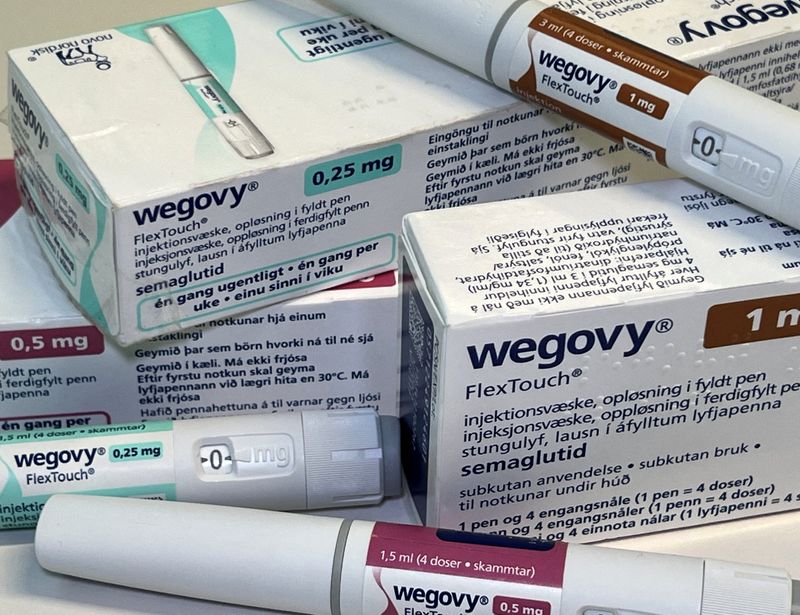
As of July 1, CVS dropped Zepbound from preferred coverage for those covered by its pharmacy benefit manager, Caremark. Novo Nordisk A/S’s Wegovy, a semaglutide injectable medicine, is now the primary weight loss drug offered on CVS’s standard formulary, a list of medications an insurance plan covers.
The news was not only a blow to Lilly but also a surprise to millions using Zepbound on Caremark plans, who are now questioning how to move forward.
Here’s what to know if you are affected by the CVS Caremark formulary change.
What to do if you get Zepbound through CVS Caremark
First, check your mailbox. Those affected should have received a letter with additional information and next steps that could vary person to person.
Generally speaking, under the formulary change, CVS Caremark will now cover Wegovy for patients prescribed GLP-1 drugs, and patients on Caremark insurance plans should be able to switch easily.
Those who currently use Zepbound on an insurance plan negotiated by Caremark should have received a letter stating the date their transition goes into effect. Some transitions may happen later than July 1, depending on the plan’s sponsor.
The coverage change only applies to employer and union insurance plans that choose the standard formulary template, about one-third of the population Caremark covers. Those using weight loss drugs on coverage plans different from the standard formulary are not impacted.
Talk to your doctor if you have concerns about switching. Caremark offers a medical exceptions process for patients to gain access to off-formulary medications if the preferred alternative is ineffective.
Or, talk to your employer. Some employers negotiate their own coverage plans so they may be able to switch to a non-standard formulary.
Lilly also offers resources online to those on Zepbound.
How much does Zepbound cost out of pocket?
The list price for Zepbound sits at $1,086 for a 28-day supply, for those without insurance.
Lilly estimates patients who have insurance that covers Zepbound pay as little as $25 for a one or three-month supply. Those with commercial insurance plans that do not cover Zepbound may be eligible for a 1-month supply that runs $650. One month equates to 28 days, or four injectable pens.
Can you get Zepbound directly from Lilly?
Yes. Lilly sells vials of Zepbound to consumers through its online sales portal, LillyDirect.
The lowest dose of 2.5 milligrams starts at $349 for four single doses that will last four weeks. Higher dose packs start at $499.
The Indianapolis drugmaker expanded access through LillyDirect, and providers will be able to prescribe 12.5 and 15 milligram doses starting July 7.
How many people use Zepbound and Wegovy through CVS Caremark?
CVS Caremark estimates between 25 to 30 million people use its standard formulary template, comprising about 30% of its entire membership base. However, not all of those members take weight loss drugs.
Weight loss drugs represent about 10% of what Caremark clients spend, up from 1% just a couple of years ago, a CVS executive said.
Wegovy and Zepbound use is pretty evenly split for those on weight loss drugs through Caremark plans.
Are Wegovy and Zepbound the same drug?
Not entirely.
Zepbound and Wegovy come from the same class of GLP-1 drugs and deliver significant weight loss through a once-weekly injection. But the two medications have different main active ingredients.
Zepbound’s main ingredient is tirzepatide and is approved for weight loss and obstructive sleep apnea. Wegovy is a semaglutide medication and helps manage weight loss and cardiovascular health.
Though the two drugs are both approved for weight loss, a study published in May funded by Eli Lilly found that patients on Zepbound were more likely to experience weight loss. It was the first time the drugs were compared head-to-head.
Why is CVS Caremark excluding Zepbound from coverage?
Caremark says it is dropping Zepbound from preferred coverage to ultimately lower the cost of the drug for its clients.
Since Wegovy and Zepbound are clinically similar products approved for weight loss, Caremark encourages the drug manufacturers to compete against each other for preferred insurance coverage for millions of patients. Doing so, Caremark says, can significantly lower prices for employers and unions.
“Our decision to prefer Wegovy over Zepbound will deliver significant cost savings for our clients in this therapy class, and the lower net price we were able to negotiate for Wegovy will enable more employers to provide coverage for the weight loss category,” CVS Health Vice President of External Affairs David Whitrap told IndyStar in a written statement.
Caremark expects employers and unions to expand access to Wegovy as a result of the change in policy.
Are there other GLP-1 drugs?
Two other GLP-1 injectables exist on the market, though each varies slightly from Zepbound and Wegovy.
Ozempic, the original blockbuster semaglutide injection developed by Novo Nordisk, is used to treat type 2 diabetes. Mounjaro, a Lilly tirzepatide drug, is approved to treat type 2 diabetes when combined with diet and exercise.
Eli Lilly is also well into clinical trials for the development of orforglipron, an oral GLP-1 drug for type 2 diabetes and weight management.
Alysa Guffey covers business and development news for IndyStar. Contact her at amguffey@gannett.com.
This article originally appeared on Indianapolis Star: CVS dropped Zepbound in standard coverage. What that means for Zepbound users
Reporting by Alysa Guffey, Indianapolis Star / Indianapolis Star
USA TODAY Network via Reuters Connect