Every day, patients walk into hospitals relying on something most of us take for granted: a steady supply of blood. When it isn’t there, care is delayed, surgeries are postponed, and lives hang in the balance.
Right now, the region is facing an invisible crisis: a blood supply shortage.

Most people think of a public health crisis as something sudden and visible, like fires, floods, or major emergencies where the community steps in to help. But some of the most serious crises aren’t loud at all. They happen quietly, behind hospital doors, long before the public realizes there is a problem.
Blood isn’t something most of us think about until we or someone we love needs it. Unlike a natural disaster, there’s no visual reminder when supplies run low. Hospitals don’t hang signs announcing shortages, and patients waiting for surgery don’t always know their care depends on whether enough blood is available that day.
Yet the need for blood is constant, and the consequences of shortages are very real.
The Rock River Valley Blood Center (RRVBC) is the sole blood provider for 14 regional hospitals, serving more than a quarter million people. Every emergency surgery, cancer treatment, trauma response and complicated childbirth in our region relies on a steady, local blood supply.
And yet, only about 16,000 people in the Northern Illinois area are active blood donors. In fact, over the past 18 months, blood donations have declined significantly, forcing us to try and get blood from other blood centers.
When blood isn’t readily available, our hospitals are faced with difficult decisions. Surgeries may be postponed. Care plans may be adjusted. Medical teams have less flexibility in emergencies where every minute matters. This crisis affects real people in real time – your neighbor waiting for a procedure, your parent injured in a crash, your child undergoing treatment.
Plus, winter is consistently one of the most challenging times of year for the local blood supply. Donors are traveling or spending time with family, while flu season sidelines otherwise healthy individuals. At the same time, hospitalizations increase as accidents rise, which drives the demand for blood products even higher.
Unlike many medical supplies, blood cannot be manufactured. It has to come from donors like you and must be consistently replenished.
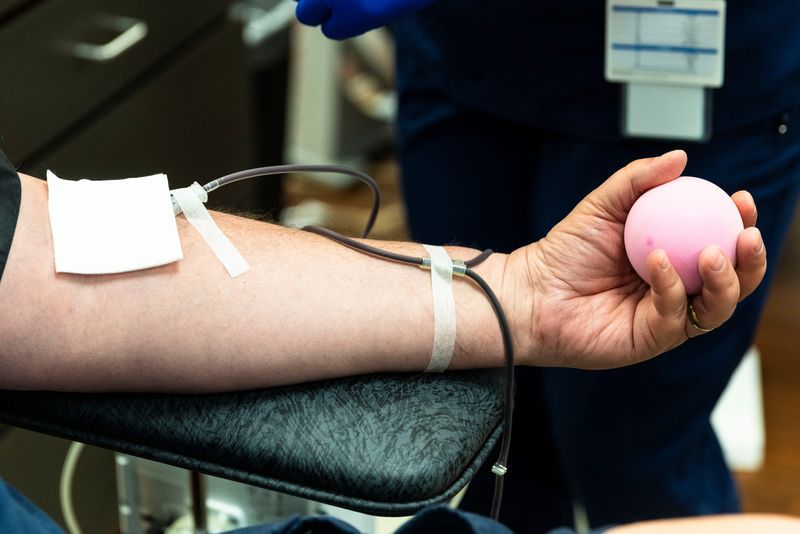
Our local blood supply does not have to remain in crisis, and it can be solved by more community members like you committing to regular blood donations. Donating blood takes about an hour, yet the impact can be lifesaving. One donation can help save up to three lives.
Still, many eligible donors don’t give regularly – or give at all – because they can’t see the urgency behind the need. There is no alarm bell when supplies dip dangerously low, and that’s why we need you to take action now and donate. Plus, as a donor, you can join RRVBC’s Donor Appreciation Program to receive exclusive gifts for completing a series of donations.
This month is National Blood Donor Month, an ideal time for me to bring attention to the invisible crisis facing our community. Awareness alone will not solve it.
What’s needed is local participation. When people donate close to home, they help ensure blood is available for patients in our own community without delays or reliance on outside regions. Today, fewer than two percent of eligible donors in our region give blood regularly, and that must change.
This issue is bigger than one blood drive or a single donation. A stable blood supply is a shared responsibility, one that quietly supports our healthcare system every day.
Hospitals cannot function without it, and patients cannot afford to wait for urgency to catch up with need. The solution to this invisible crisis is closer than we think. One hour in a donor chair at the Rock River Valley Blood Center or a mobile blood drive can help save up to three lives, a simple choice that could mean the difference between waiting and treatment, between loss and hope, for someone in our community.
My request to you is simple: show up for someone you may never meet, but who is counting on you right now. Visit rrvbc.org to schedule your appointment today.
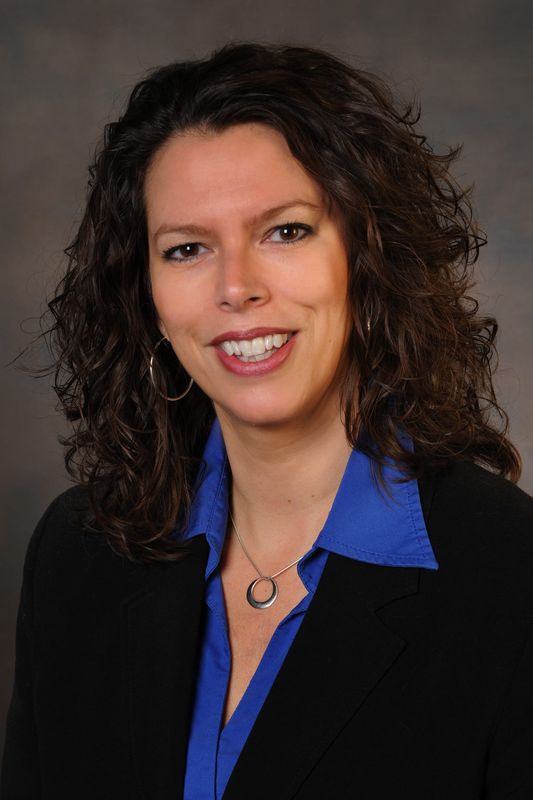
Lisa Entrikin is the CEO of the Rock River Valley Blood Center and is responsible for the strategic priorities and management of the blood center, which employs 90 people and serves 14 hospitals across northern Illinois and southern Wisconsin. Entrikin is passionate about donor recruitment and retention and ensuring a wonderful donor experience for all.
This article originally appeared on Rockford Register Star: The invisible public health crisis no one talks about | Opinion
Reporting by Lisa Entrikin, Special to the Rockford Register Star / Rockford Register Star
USA TODAY Network via Reuters Connect