Springfield’s leaders are right to think big about the future of downtown. The capital city has incredible assets: the Abraham Lincoln sites, Route 66 attractions, a growing sports tourism market, local restaurants and a downtown that should be one of central Illinois’ strongest economic engines.
Hotel owners and operators support serious, sustainable efforts to bring more visitors to Springfield. More conventions, meetings, tournaments and overnight stays benefit the entire community.

But the current proposal to expand the Bank of Springfield Center and build a new downtown hotel raises numerous concerns that could have lasting ramifications for the city’s economy and local taxpayers.
This is no longer just a debate about whether higher hotel taxes will bring more visitors. It is now a debate about whether Springfield and Sangamon County should create another layer of government to build, own and operate a hotel that would directly compete with the private hotels being forced to pay for the project.
That should concern everyone who cares about fairness, transparency and the long-term health of Springfield’s hospitality economy.
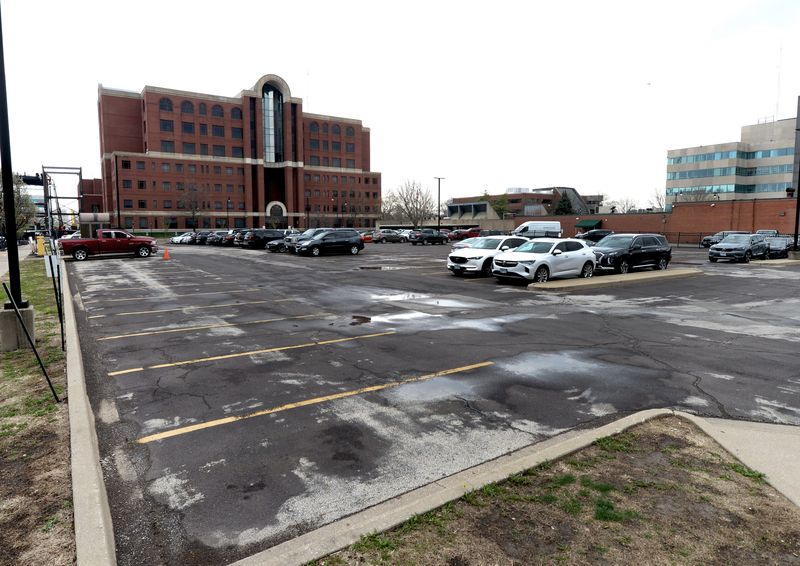
Under the proposal, a new Capital Area Tourism Authority would develop and own a new hotel as part of a downtown convention center expansion project. Potential funding sources include revenue from the hotel itself, a new county hotel/motel tax and the incremental sales tax generated through STAR bonds.
In short: existing hotels would collect a higher tax from their guests to help finance a new government-backed hotel that would compete with them for conventions, meetings, group business and overnight stays.
That is not a partnership. That is asking the private sector to fund their government owned competition.
Supporters argue the new hotel is necessary to make Springfield more competitive as a convention destination. We understand the theory. A larger convention center paired with an adjacent full-service hotel might make Springfield more attractive for some events.
But once a public authority owns the hotel next to the convention center, the incentives become obvious. Conventions and meetings using the publicly owned convention center will naturally be pushed toward the publicly owned hotel.
That creates a built-in advantage at the expense of existing hotels that have invested in Springfield, employed local workers, paid property taxes (which this new hotel won’t do as a government owned building), collected hotel taxes, and supported tourism efforts for years.
This is especially troubling because Springfield’s hotel market is not overflowing with unmet demand. Springfield’s daily hotel occupancy rate hovers around 55%, meaning hotels were already working hard to fill rooms. This would make Springfield less competitive when event planners compare costs with Peoria, Bloomington-Normal or other regional markets.
The feasibility questions are just as important. The full project is estimated to cost $180 million to $200 million. While consultants expect new economic activity and tax revenue, those projections depend on ambitious assumptions about visitation, hotel performance, event bookings and downtown spending.
What happens if the new hotel tax, hotel revenue and STAR bond sales tax increment are not enough to make the bond payments?
Will local taxpayers be forced to step in? Will we raise costs on visitors even further? Will existing hotels be asked to carry an even larger burden? Will the city or county be responsible if the project fails to generate enough revenue?
Those are not minor details. They are the central financial questions of the entire proposal.
Springfield’s hotel community wants to be part of the solution. We support smart investment, stronger tourism promotion and a downtown strategy that attracts more visitors. But public economic development should grow the market, not pick winners and losers.
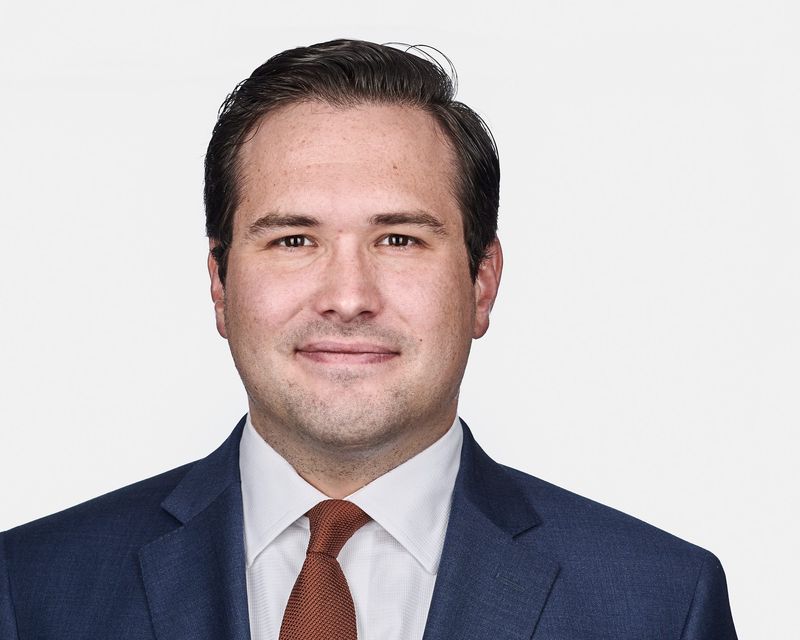
Keenan Irish, Vice President of Government Relations & Member Engagement, Illinois Hotel & Lodging Association.
This article originally appeared on State Journal-Register: Don’t tax private hotels to fund a government-owned one | Opinion
Reporting by Keenan Irish, Special to the State Journal-Register / State Journal-Register
USA TODAY Network via Reuters Connect