

FIFA World Cup 2026 enthusiasm is now at a fever pitch — and promises to continue unabated until the final match is contested at MetLife Stadium in East Rutherford, New Jersey on July 19.
Whether you follow every group stage result for all 48 participating nations (the biggest field in World Cup history) or simply appreciate the spectacle of the world’s soccer fanatics descending on North America, there’s no escaping it.

Depending on your rooting interests, that may — or may not — be a good thing.
But this soccer-centric summer is likely to have a positive effect on one demographic — kids — regardless of the results.
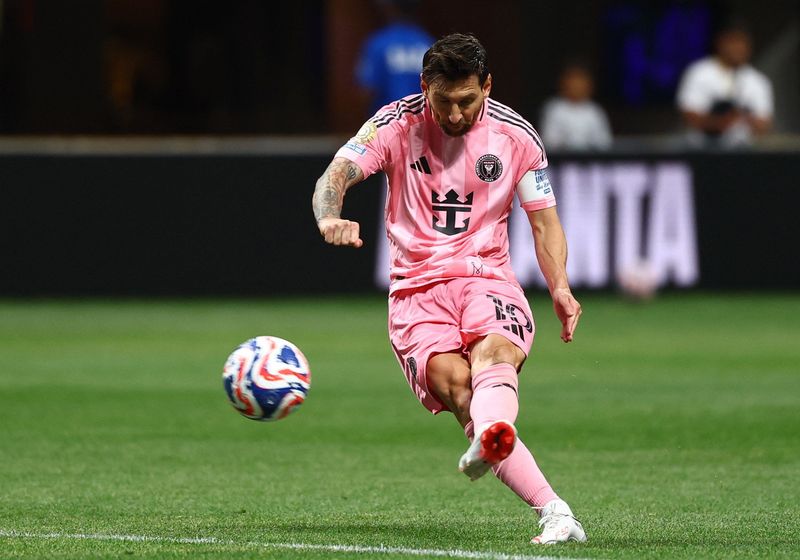
That’s because the non-stop action has the potential to spur what psychologists call the “demonstration effect.” Expert believe that when young people watch elite athletes perform, especially in high-profile events close to home, they feel inspired to join the sport or get more active.
And that could make a huge difference in the health of the younger generations, said Abbie Wrights, an associate teaching professor of Health and Exercise Science at Wake Forest University (which began hosting the German National Team on its Winston-Salem, North Carolina campus on June 8).
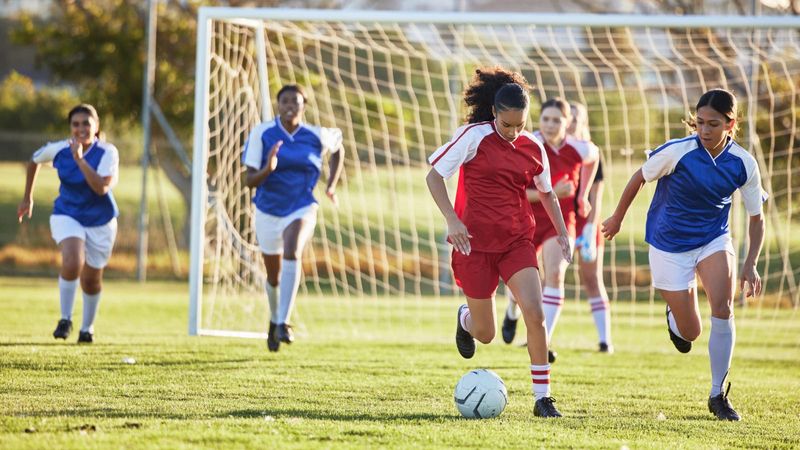
“I don’t think the goal is to inspire every kid to be a professional soccer player, but I think it can inspire them to move and want to be involved — play in their backyard, play on the playground, maybe join a recreational team,” said Wrights.
Getting kids to be more active
Guidelines from the Centers of Disease Control and Prevention and the World Health Organization advise that children and adolescents ages 6 to 17 years old should do at least one hour of moderate to vigorous physical activity daily.
Wrights noted that, according to numerous research studies, those 60-plus minutes per day deliver not only physical health benefits, including stronger hearts and bones, but also mental health benefits such as the following:
As the mother of three soccer enthusiasts, Wrights sees the benefits in terms of exercise — and also appreciates how playing the game helps her children regulate emotions, make new friends, and learn lessons about hard work that transfer to areas like school and relationships.
But 80% of young people worldwide won’t see those benefits, because they don’t engage in enough daily physical activity, according to the World Health Organization.
Wrights believes that seeing a World Cup soccer athlete play could change that because research shows the following when it comes to kids watching their athletic idols:
Early athletic influences
Wrights notes that the students in her first-year seminar at Wake Forest, “The Culture of Youth Sports,” often talk about how elite athletes have inspired them. She says that having World Cup players throughout the U.S., Canada, and Mexico likely will amplify that inspiration.
“It becomes more real when it’s happening nearby, and all the benefits of that demonstration effect start trickling down,” said Wrights. “Witnessing the kind of hard work and dedication it takes to compete at the World Cup level can evolve into good habits in so many other facets of life. They think ‘If I can work hard in a sport, I can work hard in school. I can work hard in my friendships. I can work hard in my volunteer opportunities.’ Kids who play sports definitely do better in school, so there is that academic transfer as well.”
Maintaining the momentum
So what happens when FIFA World Cup 2026 wraps up, the local training sites close, and the teams head back to their home countries?
Wrights said it’s up to each community to keep the momentum going.
“The demonstration effect won’t lead to actionable change unless the parents start to kick the ball around with their kids in the backyard or recreational teams boost their recruitment outreach, or coaches find ways to engage and retain young athletes of all skill levels,” she said.
Wrights said that the demonstration effect is most likely to take root in communities that invest in organizations and facilities that support youth sports engagement.
“We don’t want to let that excitement fade,” she said. “We want to feed into it by then giving children and adolescents opportunities to get involved. The World Cup is only a starting point.”
Steve Dorfman is a journalist for The Palm Beach Post, part of the USA Today Network of Florida. He writes about all aspects of health, fitness and wellness. If you have news tips, please send them to sdorfman@pbpost.com. Help support our local journalism, subscribe today.
This article originally appeared on Palm Beach Post: Watching World Cup can help kids get moving and more active
Reporting by Steve Dorfman, Palm Beach Post / Palm Beach Post
USA TODAY Network via Reuters Connect

By Steve Dorfman, Palm Beach Post | USA TODAY Network
