Editor’s note: This is part two of a three-part series on the growing economic challenges older people are facing in Sarasota and Manatee counties. Read part one here – More Sarasota-Manatee seniors living paycheck-to-paycheck, becoming homeless.
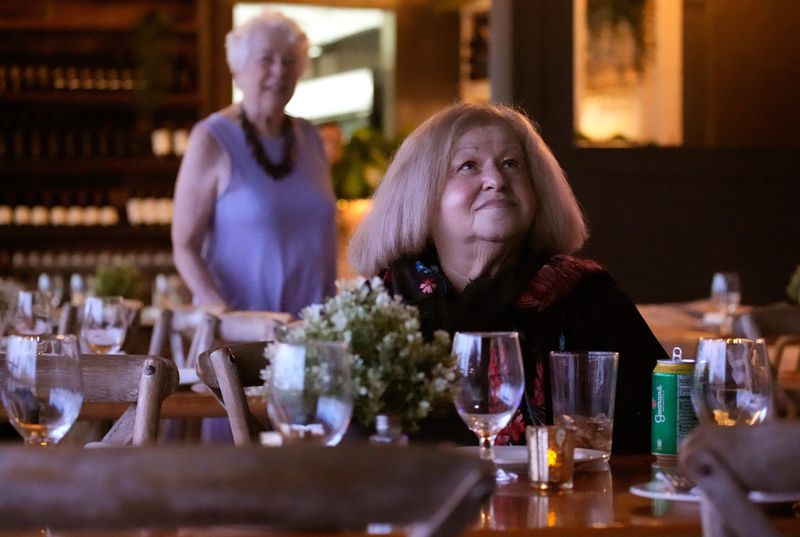
When Agnes Hollander and her husband moved here from New York about 25 years ago, she anticipated plenty of sun-splashed days, vibrant entertainment, and an easy retirement after a lifetime of work.

But one thing the now 78-year-old never imagined for the last chapter of her life in Florida was a nosedive into hardship.
Hollander – widowed for 12 years – is a former airline supervisor who long ago exhausted the meager retirement benefits from her former employer. At this point, her only income is her $2,200 monthly Social Security check.
And that barely covers the bills. Rent for her one-bedroom Sarasota apartment spiked from $900 a month in 2020 to $1,500 today. Food prices have surged. And her 2011 Hyundai Accent sedan is constantly breaking down.
A stroke left her unable to return to work – an option many seniors are forced to take.
When Hollander gets in a bind, she must turn to younger musician friends. A former pianist, she finds great comfort in watching them at local jazz clubs, but it pains her to have to seek help.
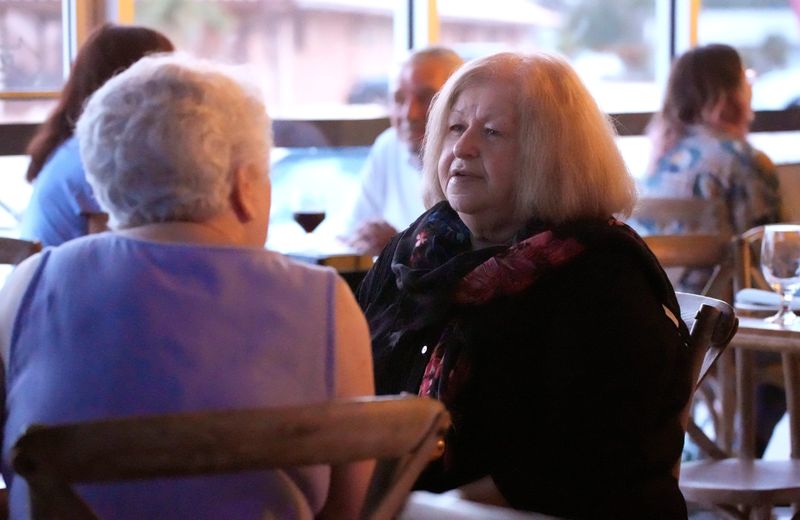
“Ever since I was 18 years old, I have always worked and made money,” she said. “I never asked for a dime from anyone. I’m really trying to make ends meet. When you are 78 years old, it is really tough.”
An unequal retirement
Hollander’s situation is becoming increasingly common for a growing number of seniors across the region, state and country – part of a mounting housing crisis for older residents expected to worsen in the next decade.
But within that crisis, experts say, senior women like Hollander are especially vulnerable due to decades of labor market inequities and longer lifespans compared to men.
If single or widowed, they are left alone to shoulder soaring rents, homeowners’ insurance or condo fees – with much less accumulated wealth.
Even before the pandemic and the ensuing surge of rents and home costs, local numbers painted the lack of equity for older women.
In 2020, a report titled “Aging, Women and Economic Insecurity in Sarasota County” was put together by Sarasota’s American Association of University Women with support from the Community Foundation of Sarasota County.
It found that in 2018, women in Sarasota County reported a median retirement income of $13,792, while men had $24,289. Meanwhile, the median Social Security annual income in Sarasota County was $12,652 for women and $18,232 for men.
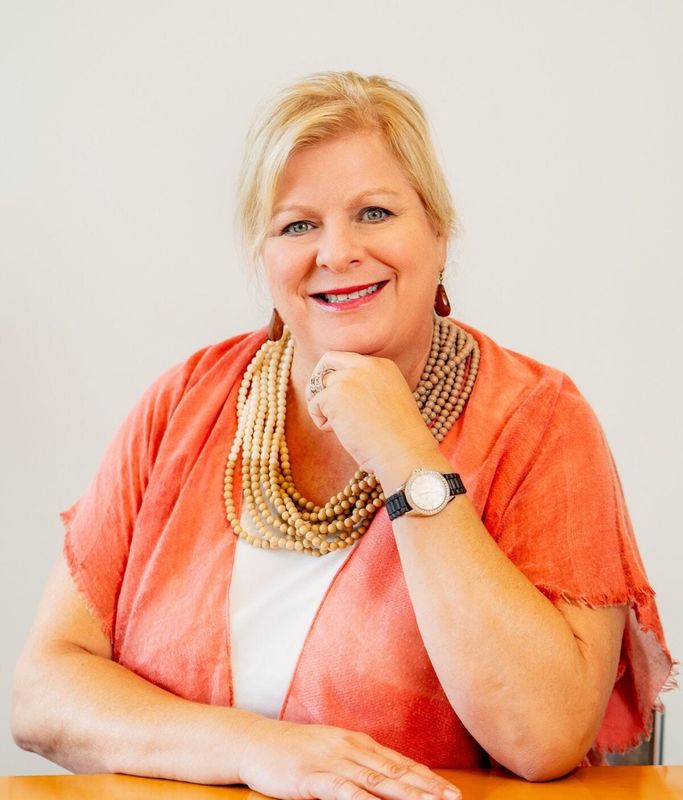
Part of what drives the inequity is the predominance of women in caregiving work and jobs that are either grossly underpaid or not compensated at all, said Ashley Brown, president and CEO of the Women’s Resource Center in Sarasota.
If married women leave the paid workforce to raise children or care for aging parents or in-laws – but then later become divorced or widowed – the hit to their Social Security income only becomes apparent with time.
“That is an impact you don’t feel until later,” Brown said. “That is definitely a problem specific to women.”
For decades, her centers have offered programs in career coaching, computer tutoring and resume support to help women of all ages transition from work at home to jobs in the labor force, she said.
After the 2008 Recession, case managers began to see rising numbers of older retired women needing to return to the workforce, she said. But eventually, those numbers tapered off.
Since the pandemic, they’re climbing again.
No matter how much women have budgeted and prepared for retirement, they could not plan for this current confluence of soaring rents, homeowners’ insurance, condo fees, interest rates and hurricanes, Brown said.
“There has not been a peak and downturn,” she added, referring to the number of senior women seeking assistance. “It just keeps coming.”
Running out of time
Like other service providers, Jenny Macias, director of program initiatives at the Senior Friendship Centers, said since the pandemic case managers have been seeing more senior women in crisis over housing, utilities and food prices – but noted also that women are more likely to seek services.
“Men are less likely to ask for help,” she said.
Area nonprofits say senior women are also often the target of scams that rob them of badly needed resources and leave them at risk of losing their housing. That especially has been the case after the hurricanes, when many older women struggled with home repairs not covered by insurance or FEMA.
Given the long waiting lists for senior affordable housing communities and federal vouchers, local caseworkers try to steer them to available services to help with food or electric bills. At the same time, they aid them in searches for long-term solutions – like a roommate or a move out of state to be with family.
But for some older women like Hollander, those are not options.
Widowed with no children or siblings, she has contacted her U.S. senators and representatives asking for protections and hikes to Social Security. She also recently applied for a unit at Jefferson Center’s subsidized community but was told the wait list was about two years long.
Though worried, she has a hearty sense of humor and joked about the wait.
“I don’t know if I’ll be alive in two or three years,” she said.
This story comes from a partnership between the Sarasota Herald-Tribune and the Community Foundation of Sarasota County. Saundra Amrhein covers the Season of Sharing campaign, along with issues surrounding housing, utilities, child care and transportation in the area. She can be reached at samrhein@gannett.com.
This article originally appeared on Sarasota Herald-Tribune: Senior Housing: Older Sarasota-Manatee women suffer more economic hardship than men
Reporting by Saundra Amrhein, Sarasota Herald-Tribune / Sarasota Herald-Tribune
USA TODAY Network via Reuters Connect