The Gulf Coast Community Foundation released a 2025 update of its Water Quality Playbook, first issued in 2020, and the changes are nuanced and somewhat based in celebration of accomplishments that have led to improvement of water quality in Sarasota Bay.
The playbook, available online at https://waterqualityplaybook.org, was designed to be dynamic and easily updated as area water quality conditions change.

“It’s dynamic both in our achievement and failures in addressing problems but it’s also dynamic in that the environment itself changes and technology advances changes the way we approach water quality in our community,” said Jon Thaxton, project lead and director of Policy and Advocacy at the Gulf Coast Community Foundation.
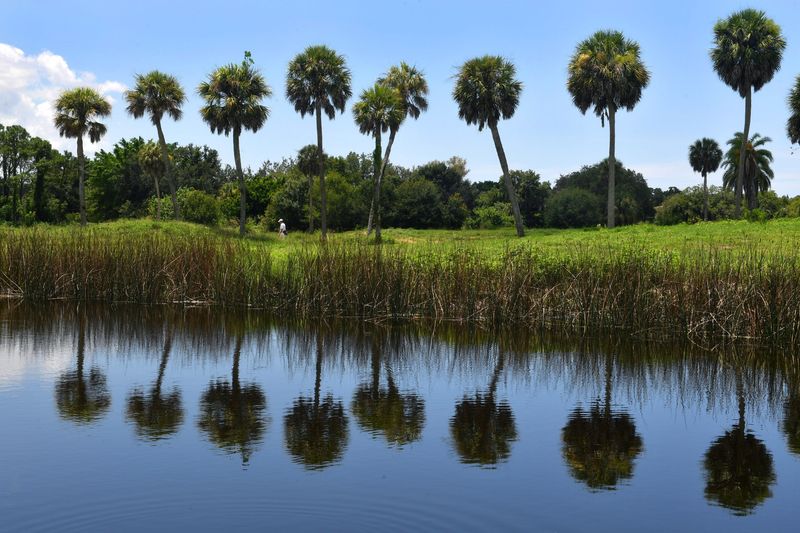
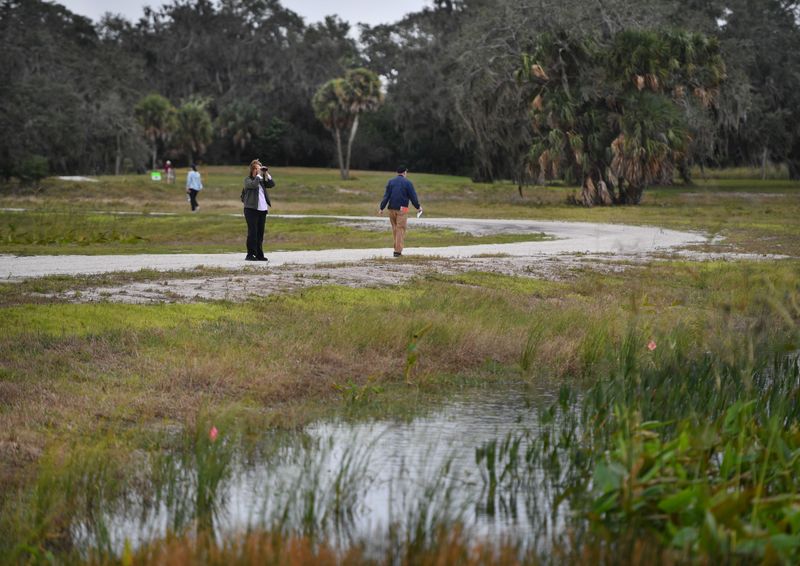
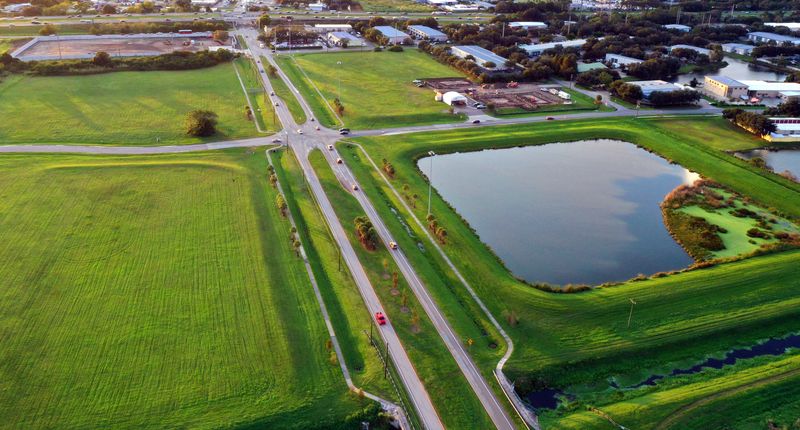
The achievements that generate optimism range from establishing the Bobby Jones Nature Park, which includes 20 acres of wetlands that can filter 900 pounds of nitrogen a year, and ongoing re-wilding of the Quad Parcels near the Celery Fields to the ongoing upgrade of area of area wastewater treatment plants to advanced standards that reduce nitrogen and phosphorous in reused wastewater.
The Bee Ridge facility will be producing advanced wastewater treatment quality water by the end of the year, according to a Sarasota County spokeswoman.
Next up will be the Venice Gardens treatment plant, where ground was broken on upgrades in May, followed by the Central County treatment plant.
“That was a dream when we started this playbook, it’s now a reality,” said Thaxton, who stressed that improving those plants provided the biggest bang for the buck in the effort to clean up water in the watershed.
Still, he admitted more work needs to be done, with respect to reducing fertilizer application, composting and other soil treatments.
The driving concern is that elevated nutrient levels will lead to a deterioration of the coastal bay system, impacting water quality and possibly exacerbating red tide blooms.
“In Florida, especially along the Gulf Coast, every environmental issue is ultimately a water issue,” Jennifer Shafer, co-executive director of the Science and Environment Council of Southwest Florida, and one of the original authors of the playbook, said in a prepared statement. “Clean water isn’t guaranteed, it’s a choice we make every day, in every policy, every vote, every backyard.”
What is the Water Quality Playbook?
The Community Playbook for Healthy Waterways, commonly known as the Water Quality Playbook, contains 10 chapters – central wastewater systems, septic systems, biosolids, fertilizer, atmospheric deposition, stormwater design, stormwater partnerships, habitat and wildlife, coordination and monitoring – geared toward offering governments a path to cleaner water.
Shafer, who wrote the book along with Steve Suau, came up with the format, which uses Sarasota County as a model but the methodology is meant to apply everywhere.
The format includes a graphic interface, which allows a reader to click on a button for the preferred topic and quickly access the appropriate chapter.
The latest edition includes the newest data, though it does not reflect the impact of Hurricane Milton’s opening of Midnight Pass on Little Sarasota Bay.
How are cleanup efforts progressing?
One of the greatest indicators of how well the water cleanup efforts have progressed could be seen in the most recent results of the biennial mapping of Sarasota Bay’s seagrass meadows, which showed that from 2022 to 2024 an increase of 1,900 acres of seagrass – representing a 19% increase.
This increase, which Dave Tomasko, director of the Sarasota Bay Estuary Program, deemed “the biggest ecosystem scale restoration success story in the state of Florida,” came on the heels of a 26% loss from 2016 to 2022 that was prompted by catastrophic events. The events ranged from the persistent red tide of 2017-19 to the 2021 Piney Point disaster, in which a breach in a containment wall released about 215 million gallons of polluted wastewater into Tampa Bay.
Thaxton recalled that several years ago when Duane DeFreese, executive director of the Indian River Lagoon Council spoke with Gulf Coast officials, Sarasota Bay seagrass was on the verge of a failure and collapse similar to what occurred on the East Coast of Florida.
“We took that warning seriously and the crash didn’t happen,” Thaxton said. “Rather than the crash and burn you saw in the Indian River Lagoon, you’re seeing a slow but steady Bay recovering year after year after year.”
Smaller watersheds, such as Little Sarasota Bay and Lemon Bay must still improve, Thaxton said.
He said that rainfall from the 2024 hurricane season might have doomed the ecosystem a decade ago.
“The system was able to hold its own (in 2024) because it was in an advanced state of recovery,” Thaxton said. “The bay system we’re rebuilding and restoring has much more resilience than what we saw seven to 10 years ago,”
This article originally appeared on Sarasota Herald-Tribune: Revised Gulf Coast ‘water quality playbook’ updates path for healthy Sarasota waterways
Reporting by Earle Kimel, Sarasota Herald-Tribune / Sarasota Herald-Tribune
USA TODAY Network via Reuters Connect