The latest maybe-threat in the tropics turned out to be no threat at all. There is no tropical cyclone activity expected for the next week, the NHC said in its latest update.
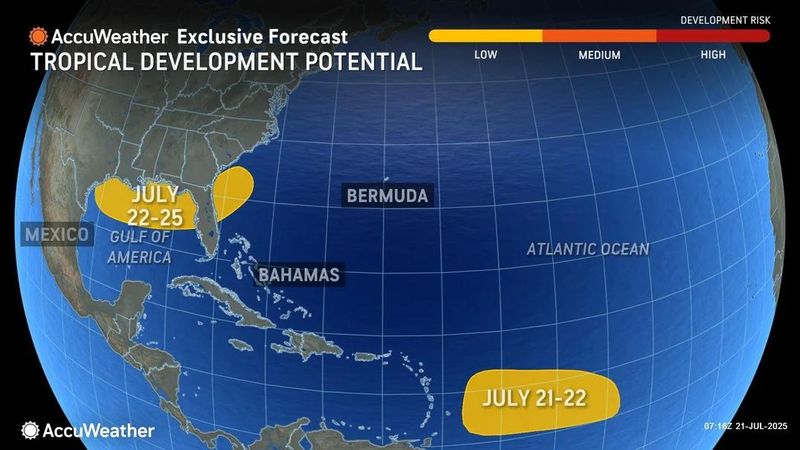
But the disorganized area of showers and thunderstorms in the Atlantic the National Hurricane Center has been watching for the last few days may still bring rain and thunderstorms across much of Florida July 22, combining with moisture from the Atlantic basin, forecasters said.

AccuWeather forecasters are watching the low-pressure system as well as an area of the Gulf of America where a slow-moving round of heavy rain and thunderstorms may develop this week, and an area extending from Texas to the Carolina coast is expected to bring drenching thunderstorms from east to west across northern Florida, Louisiana and Texas through this weekend.
“Several inches of rain are likely along the Interstate 10 corridor, with some locations potentially receiving over 6 inches in a short time,” AccuWeather said in an email. “Flash flooding is possible in urban and low-lying areas, leading to dangerous road conditions and travel disruptions.”
The NHC is also tracking another tropical wave that just left the coast of Africa, making that three to watch in the Atlantic.
➤ Weather alerts via text: Sign up to get updates about current storms and weather events by location
The next named storm of the 2025 Atlantic hurricane season will be Dexter.
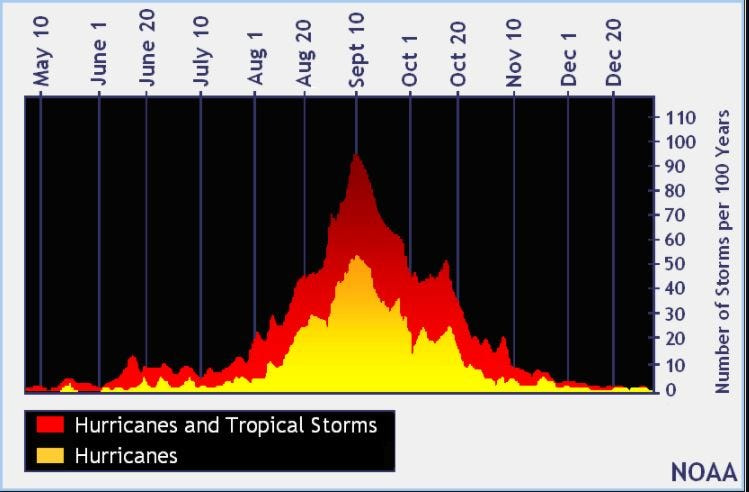
Historically, the fourth named storm of the Atlantic hurricane season arrives Aug. 15. The last two named storms of the season — Barry and Chantal — developed earlier than normal.
Florida heat wave lessening on paper, still feels hot
Meanwhile, the oppressive heat across Florida is letting up a bit as the heat dome bringing record temperatures to the South expands across the Central Plains and Midwest, National Weather Service forecasters said.
Heat advisories for July 22 have been issued for North Florida, the Panhandle, and North Central Florida, with heat index values expected up to 110-111 with a few spots in the Panhandle facing major heat risks, but the rest of the state is forecast to see temperatures “just” in the high 80s and low 90s and heat index values up to 100-105.
➤Florida burning with heat advisories issued across state
Heat index alert: Weather watches and warnings issued in Florida
Latest heat advisories:
Be careful going outside If you have to, and stay hydrated.
Here’s the latest tropical advisory from the National Hurricane Center as of 8 a.m. July 22:
What else is happening in the tropics?
The National Hurricane Center is tracking three tropical waves.
Florida weather radar for July 22, 2025
National Weather Service Florida forecast for July 22
➤ How to set up emergency cellphone notifications for flash flood warnings and safety tips
➤ Excessive rainfall forecast
2025 hurricane season so far
An average Atlantic hurricane season has 14 named storms, seven hurricanes, and three major hurricanes.
Here’s when this year’s named storms have developed, compared to historical averages:
Hurricane names for 2025 season
Here are the names for the 2025 Atlantic hurricane season, along with how to pronounce them:
When is the Atlantic hurricane season?
The Atlantic hurricane season runs from June 1 through Nov. 30.
Ninety-seven percent of tropical cyclone activity occurs during this time period, NOAA said.
The Atlantic basin includes the northern Atlantic Ocean, Caribbean Sea and Gulf of America, as the Gulf of Mexico is now known in the U.S. per an order from President Trump. NOAA and the National Hurricane Center are now using Gulf of America on its maps and in its advisories.
When is the peak of hurricane season?
National Hurricane Center map: See what forecasters watching now
Systems currently being monitored by the National Hurricane Center include:
Why does NHC say ‘tropical cyclone’ on its maps instead of hurricane or tropical storm?
Tropical cyclone is the generic term used by the National Weather Service, NOAA and the National Hurricane Center for any tropical system, even if it’s in the tropical Atlantic basin.
To be more precise, a tropical cyclone is a “rotating, organized system of clouds and thunderstorms that originates over tropical or subtropical waters and has closed, low-level circulation,” NOAA sadi.
Once maximum sustained winds reach 74 mph, what it is called is determined by where it originated:
Interactive map: Hurricanes, tropical storms that have passed near your city
Stay informed. Get weather alerts via text
What’s next?
We will update our tropical weather coverage daily.
Download your local site’s app to ensure you’re always connected to the news. And look for our special subscription offers here.
(This story was updated to add new information.)
This article originally appeared on Treasure Coast Newspapers: National Hurricane Center now watching 3 waves in Atlantic. Heat, storms expected Tuesday
Reporting by C. A. Bridges and Cheryl McCloud, USA TODAY NETWORK – Florida / Treasure Coast Newspapers
USA TODAY Network via Reuters Connect