After weeks of delay, the Florida Department of Health has released its weekly flu review report showing a higher spike in influenza cases over the past three weeks than in previous years during the same time frame.
Like the rest of the country, the influenza A H3 is the leading strain. Of the 12,500 reported cases in Florida during the 2025-2026 flu season, it made up nearly 65% of those cases. That figure is well north of 90% across the rest of the country, according to the CDC.

Florida and the rest of the country saw a slight decrease in the number of influenza cases on the week ending on Jan. 3, 2026, but the Sunshine State reported seven influenza outbreaks, up from the previous week. Those outbreaks occurred in Escambia, Flagler, Indian River, Polk, Seminole, St. Johns and St. Lucie counties.
An outbreak occurs when there are more reported cases of a disease than normally expected within a period of time.
The start of Florida’s 2025-2026 flu season seemed tame compared to previous years, but the state saw a significant upward shift in cases starting in December. The percentage of emergency department visits peaked slightly under 7%. It beat last year’s flu season, which was the worst in seven years, according to the CDC.
Last week’s decrease in flu cases isn’t a sign that the season is over. Influenza came back strong last year, with another significant uptick occurring in the latter half of January.
Why does this flu season seem worse than others?
There is a combination of factors driving up flu cases this year: Vaccines and the new influenza A H3N2 subclade K mutation.
Flu vaccine adoption rates have never been what doctors believed they should have been, but a renewed distrust of vaccines has boomed after the COVID-19 pandemic.
Despite piling evidence of their efficacy, vaccination rates continue to dip, leaving Americans more in danger of contracting severe illnesses. Illnesses like the measles, which were once thought to be nearly eradicated in the country, have resurfaced.
To make matters worse, the explosive rise and prevalence of subclade K wasn’t predicted when this year’s flu shot was devised. While it still offers better protection against subclade K than nothing at all, the perceived “mismatch” has fueled the decision to forego the flu vaccine for many.
Is subclade K influenza a ‘super flu’?
Let’s preface this with the direct answer right out of the gate: No, subclade K isn’t a “super flu,” and it’s not actually much different from the all-too-familiar influenza A H3N2.
That’s because it’s a mutation of influenza type A subtype H3N2. Influenza viruses are classified into types, subtypes, clades and subclades, with subclades representing the small genetic changes compared to other H3N2 variants. These genetic differences can cause viruses to behave differently.
Many reports imply that subclade K can result in higher fevers and more complications, but its novelty could be a more likely explanation for reported claims of more severe symptoms.
“It [subclade K] evades the vaccine and preexisting immunity in the population because two of the places on the virus protein where your protective antibodies bind to are probably going to be blocked by new mutations that the virus has picked up,” Andrew Pekosz, a professor and vice chair of the W. Harry Feinstone Department of Molecular Microbiology and Immunology at the Johns Hopkins Bloomberg School of Public Health, said during a media briefing on Dec. 16.
“What we don’t know is if these mutations are going to cause more disease or more severe disease in the virus,” he concluded.
As of now, subclade K symptoms are no different from other flu symptoms.
What are the common flu symptoms?
The most common symptoms of the flu, per the CDC, include:
What flu symptoms require medical attention
If symptoms prolong, worsen or develop into any of the following, seek medical care right away, the CDC advises.
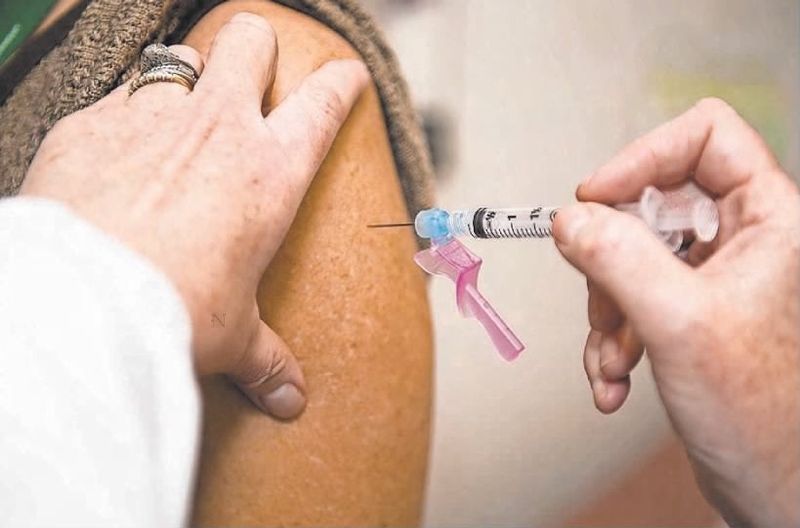
Should I still get a flu shot if it isn’t a match for subclade K?
This year’s flu vaccines are trivalent, which means they protect against three main seasonal flu types: Influenza A H1N1, influenza A H3N2 and influenza B Victoria lineage.
In a typical year, the flu vaccine’s effectiveness is generally between 40% and 60%. Subclade K, which has accounted for nearly 90% of confirmed Influenza A H3N2 diagnoses, has been shown to subvert the current vaccines.
Here’s what’s important to know: While current vaccines aren’t likely to prevent infection from subclade K completely, they will still protect people from getting severely ill or dying, according to the University of Colorado Health.
Where can I get free or low-cost flu shots in Florida?
A flu shot without insurance can range between $20 and $130, according to GoodRx.com.
People living in Florida have a few options to get free or low-cost flu shots:
Vaccines for Children program: The CDC’s VCF program offers free vaccines for children through 18 years of age who meet at least one of the following:
You can ask your child’s doctor if they are a VFC provider or go to the Florida Department of Health’s website to find an active list of providers.
Local Department of Health: A large number of Florida counties also offer a Vaccine for Adults (VFA) program, which can help cover the cost of a flu shot. An active list of providers can be found on the FDOH website.
Pharmacies: Check with local pharmacies to see if any offer low-cost flu vaccinations for uninsured people or vaccine vouchers, which can help lower the cost.
Employers, schools and community organizations: Many employers, schools and other organizations bring in health care providers who will offer on-site immunization for free. Ask your provider or your child’s school to see if they offer something similar.
Contributing: Anne Geggis, USA TODAY Network-Florida
Brandon Girod is the digital coach at the Pensacola News Journal, part of the USA TODAY Network. You can get all of Pensacola’s best content directly in your inbox each weekday by signing up for the free Daily Briefing newsletter, at pnj.com/newsletters.
This article originally appeared on Pensacola News Journal: Is the flu still bad in Florida? What the latest numbers say
Reporting by Brandon Girod, Pensacola News Journal / Pensacola News Journal
USA TODAY Network via Reuters Connect