

Earlier this month, Medicare launched a new program — Bridge — that reverses a decades-long policy of not covering weight-loss treatments, and now gives some people over age 65, or who have Medicare for other reasons, access to some weight-loss medications — including GLP-1 drugs like Wegovy and Zepbound — if they meet certain weight and health criteria.
According to an analysis by University of Michigan Medicine, here are the main things to be aware of regarding the Bridge program and those who make use of it:

Not everyone with Medicare qualifies for GLP-1 coverage.
To be eligible for the Bridge program, you have to have Part D prescription drug coverage through Medicare, either one that you buy directly or one that’s included in a Medicare Advantage plan.
If you get some or all of your health coverage through Medicare, but you get your prescription drug benefit through a retirement plan from a previous employer or union, you might not be eligible for GLP-1 drugs through Bridge.
If you do have Part D coverage, you can’t join the Bridge program if you’re already getting, or are eligible to get, a GLP-1-based medication covered by Medicare for another reason.
In addition, some GLP-1 drugs have gotten additional FDA approvals for reduction of cardiovascular disease risk and treatment of sleep apnea and fatty liver disease in people who are overweight or obese. If you have these conditions or Type 2 diabetes, you can get a GLP-1 medication covered through Medicare Part D, and you are not eligible for a GLP-1 through Bridge.
You can’t apply to the Medicare GLP-1 program directly.
Getting into the Bridge program requires that you have a doctor, nurse practitioner or physician assistant prescribe an eligible GLP-1-based medication and attest to the Medicare program that you qualify under Bridge’s prior authorization criteria. They must also certify that you’re going to use the drug along with modifying your lifestyle through diet and exercise.
They then send the prescription to a pharmacy, and the pharmacist must work through Medicare’s system to get the approval completed. If it is, you will get a letter in the mail saying you are approved. Only then can you start picking up the prescription and using it.
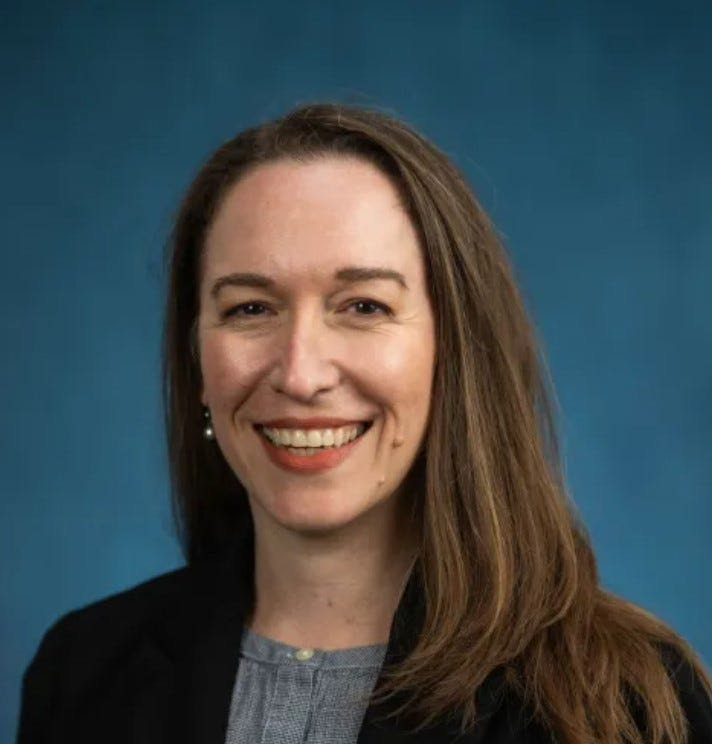
“Based on our data, and on the calls to my clinic in the last few weeks, I think there is going to be robust demand under the Bridge program,” said Dr. Lauren Oshman, a University of Michigan Health physician who specializes in treating obesity.
The GLP-1 meds cost $50 a month, and that amount doesn’t apply to your prescription spending cap.
Many people with Medicare drug coverage have a deductible, and everyone has a cap on the total amount they have to pay for drugs each year. But the Bridge program is outside of both of these.
People approved for GLP-1 coverage under the Bridge program will pay $50 a month for their prescription.
The $50 a person will pay per month under Bridge will not be counted toward the $2,100 maximum that a person with Medicare drug coverage would have to pay in 2026; this cap rises to $2,400 in 2027.
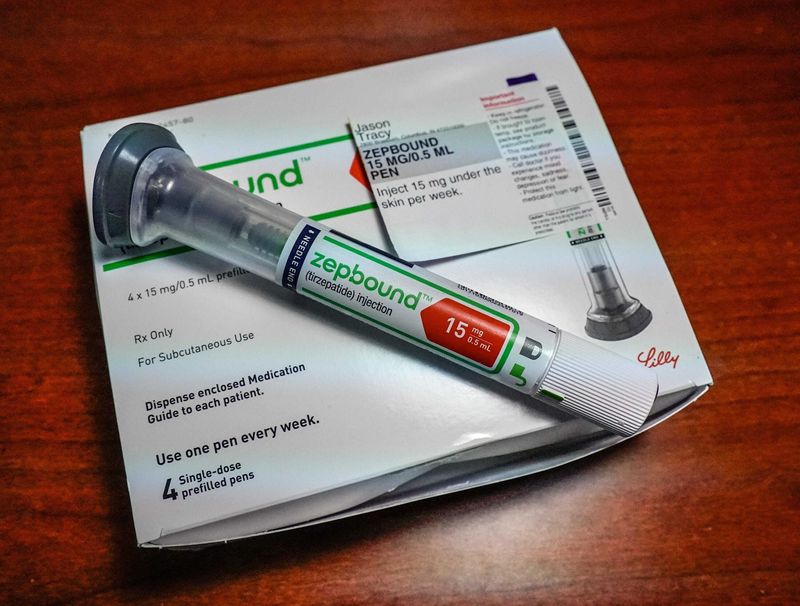
Only certain GLP-1 drugs are covered by Medicare Bridge.
There are multiple GLP-1 medications on the market, but the program focuses on the following three:
There’s no requirement that participants get support for diet or exercise or even see a doctor in person.
Research shows that patients lose more weight, and sustain that loss, if they receive care guided by a provider trained in obesity medicine, and wraparound services, in addition to a prescription for a weight management medication.
But the Bridge program doesn’t require anything other than a prescriber’s attestation that the patient is going to take the drug in conjunction with a lifestyle modification program involving diet and exercise.
Medicare does cover Obesity Behavioral Therapy sessions with primary care providers for people with body-mass index (BMI) that is 30 or more, and most experts recommend that patients on GLP-1 drugs receive some form of additional support for their weight-loss journeys.
Oshman emphasizes how important medical supervision is in maximizing the efficacy and safety of a GLP-1 protocol.
“At my office, I perform a comprehensive evaluation and create a comprehensive weight management plan before prescribing any medication,” she explained. “It takes more than just a prescription to achieve sustained weight loss and the associated health benefits — it takes wraparound services and support, none of which is addressed in the Bridge program.”
When folks in the Medicare demographic start taking a GLP-1 medication for weight loss, they should keep in mind that they are at higher risk for experiencing certain side effects — including bone loss — that may be less pronounced in younger patients.
Kristen Beavers, a Wake Forest University expert on aging, obesity and bone health, urges prescribing physicians to screen their senior patients for bone strength and bone density before putting them on a GLP-1 drug for weight loss.
“In a population that is already losing bone due to age … I think there is a clinical risk here that needs to be managed,” noted Beavers.
Oshman concurs with that sentiment and also wants patients to understand that starting on a GLP-1 medication for weight loss and/or Type 2 diabetes control is a long-term commitment — and that “you are likely going to have to take some form of a GLP-1 drug for the rest of your life, or at least for many years, depending on how these medications develop in the future.”
That’s because research shows that, for 90% of patients, when they go off a GLP-1 medication, they rapidly regain the weight they lost and experience a reversal of the health benefits they attained while on the drug.
Steve Dorfman is a journalist for The Palm Beach Post, part of the USA Today Network of Florida. He writes about all aspects of health, fitness and wellness. If you have news tips, please send them to sdorfman@pbpost.com. Help support our local journalism, subscribe today.
This article originally appeared on Palm Beach Post: GLP-1 meds now covered by Medicare — with some restrictions
Reporting by Steve Dorfman, Palm Beach Post / Palm Beach Post
USA TODAY Network via Reuters Connect
By Steve Dorfman, Palm Beach Post | USA TODAY Network
