

With the recent passage of Florida’s 2026–2027 budget, the state will invest an additional $10 million to expand Intellectual and Developmental Disabilities services that are administered through a Home and Community-Based Services Waiver by the Agency for Persons with Disabilities.
While the new investment marks progress to help more individuals, funding alone will not solve an outdated system that leaves thousands of Floridians waiting years for essential services. Today, more than 20,000 Floridians remain on the waiting list for services. Through the iBudget Florida Waiver program, the agency funds essential programs that enable individuals with disabilities to live safely and independently in their communities, including personal care, respite care, case management, employment services, and specialized medical equipment.

For many families, these services are the difference between stability and struggle.
The increased funding is an important investment, but it will have limited impact unless the state also strengthens the system responsible for delivering these services. Without adequate staffing to process waiver applications, sufficient, community-based provider capacity and more efficient pathways for families to access support, thousands of eligible Floridians will continue waiting for services that could dramatically improve their quality of life.
Investing in both the services and the infrastructure that supports them will improve lives and help the state avoid far greater costs in the future. Early intervention can be transformative for individuals with intellectual and developmental disabilities. Life skills training, employment support, and family assistance can radically improve their outcomes.
Spending years on the waiting list can mean delayed therapies, lost educational and employment opportunities, and a greater likelihood of crisis situations that require more intensive and costly interventions later. The state saves neither money nor hardship by making these individuals or their families wait. Delayed support can result in higher healthcare costs, increased reliance on emergency services, and greater long-term public expenditures.
Florida’s efforts to allocate additional budgeting and reduce the waiting list are encouraging, but administering approval for services alone will not solve the problem. As more people gain access to waiver funding, the state must ensure that qualified providers and community-based programs are available to serve them.
Community organizations like The Arc of Palm Beach County, where I serve as president and CEO, provide a continuum of support that spans from early childhood through to adulthood and aging services. The programs offered help individuals with intellectual and developmental disabilities build skills, achieve independence, and contribute meaningfully to their communities. However, even organizations like ours are approaching capacity.
The need extends far beyond Palm Beach County. Florida must expand services and support systems statewide to meet growing demand. That means creating and investing in community-based centers, facilities, and organizations that provide therapy, employment support, life skills training, respite care, and other essential resources for individuals with developmental disabilities and their families. These spaces are critical to expanding access, reducing long waitlists, and ensuring that people receive the support they need to live full, independent, and meaningful lives.
Every person deserves the opportunity to reach their full potential, and every community benefits when individuals with disabilities are empowered to participate, work, learn, and thrive.
When support is delayed, we don’t just postpone services. We postpone possibilities.
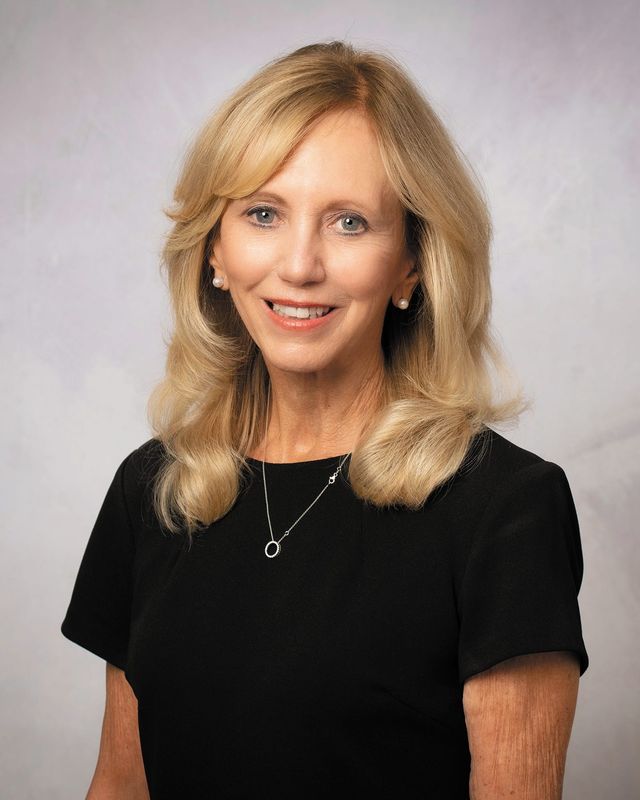
Pamela Payne is president and CEO of The Arc of Palm Beach County.
This article originally appeared on Palm Beach Post: Funding alone won’t solve Florida’s disabilities services | Opinion
Reporting by Pamela Payne, Opinion Contributor / Palm Beach Post
USA TODAY Network via Reuters Connect
By Pamela Payne, Opinion Contributor | USA TODAY Network
