The accused gunman in the April 17, 2025, mass shooting at Florida State University that killed two people and injured five is set to make his first physical appearance in a Leon County courtroom.
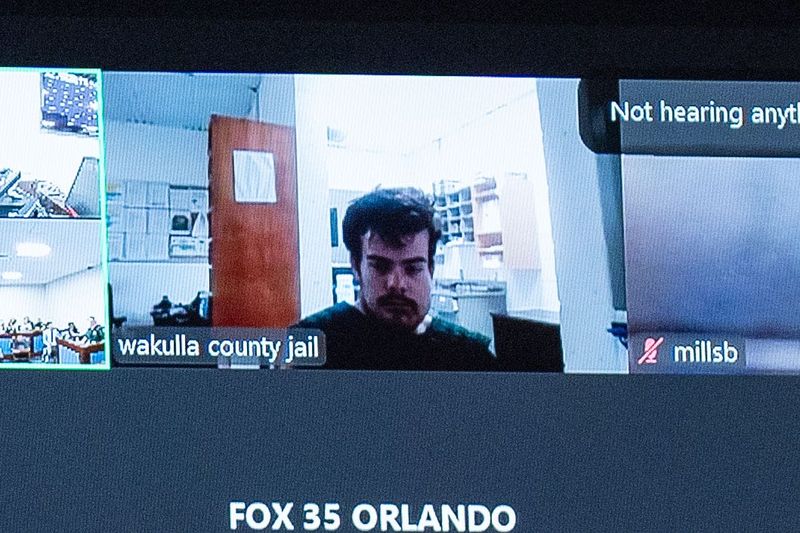
Phoenix Ikner, 21, is scheduled to appear for a case management conference Tuesday, May 26, at the Leon County Courthouse. Ikner, who has appeared virtually at all of his previous proceedings, faces two counts of first-degree murder and seven counts of attempted first-degree murder.

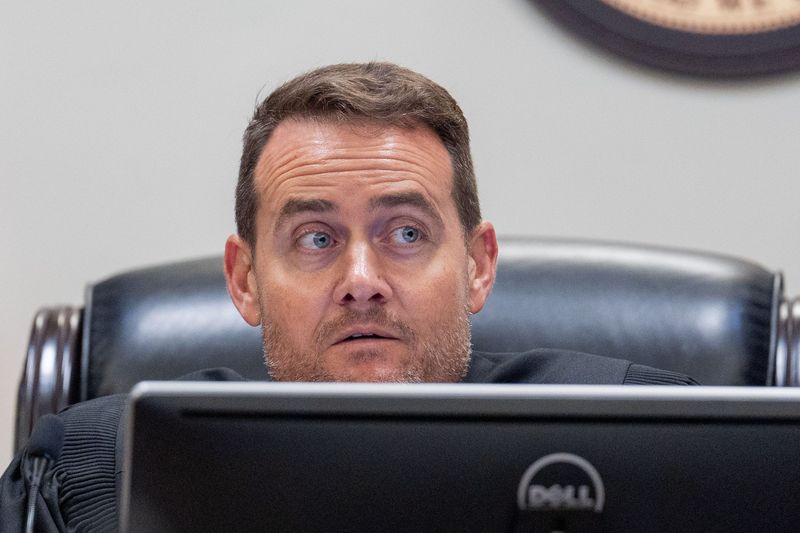
Acting Circuit Judge Lance Neff, who was appointed to the 1st District Court of Appeal in March but still presides over the case, gave instructions May 8 for Ikner to be transported from jail for the court date.
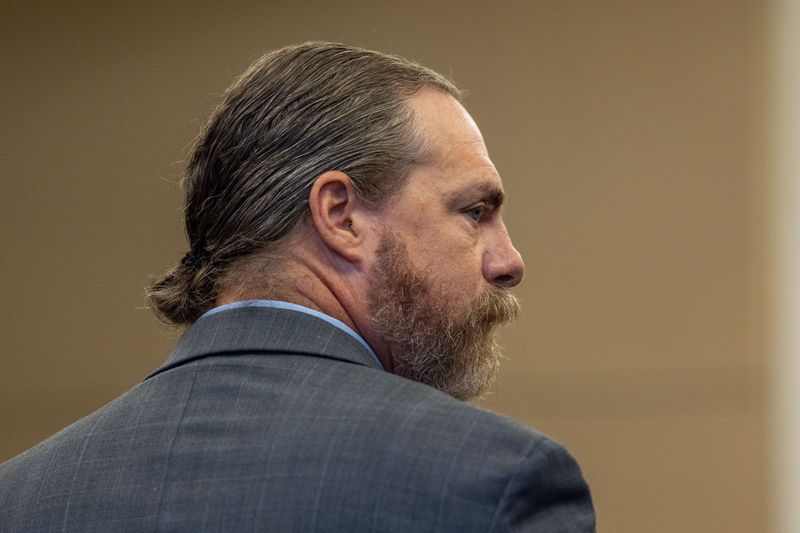
State Attorney Jack Campbell told the Democrat in a text that Ikner will appear “because we’re going to be talking about the trial schedule and the preparations being done.”
“This is the first time he has physically been there,” he said.
His upcoming court appearance follows a flurry of motions and other filings by his public defender — roughly two dozen in May alone — including one seeking to take the death penalty off the table and another asking to limit victim impact evidence.
In the defense’s most recent motion, filed May 19, Ikner’s appointed attorney, Blake Johnson of Jacksonville, asked Neff to deny a state motion seeking to set a scheduling order that would require all guilt phase witnesses to be disclosed by June 1 and all penalty phase witnesses by July 1.
Johnson wrote that the “overwhelming volume” of discovery — including the defendant’s recently released ChatGPT logs showing he and a chatbot talked about mass shooting scenarios — presents “serious challenges” to the defense’s ability to comply with the state’s proposed timeline and Neff’s current trial schedule.
“The issues presented … are both novel and highly complex,” he wrote. “Following the public release of records related to this case, the attorney general of Florida launched a criminal investigation into ChatGPT for its role in the (case). This investigation directly impacts the defendant and highlights the complexity of the legal and factual questions requiring analysis.”
Johnson added there is “significant discovery” regarding ChatGPT and other entities involved in digital media that the defense must conduct. Ikner was an avid gamer and YouTuber who left a large electronic footprint behind.
“Defendant is entitled to any and all investigations performed by any state agency as it pertains to the instant matter including the investigation currently being conducted by the Office of the Attorney General.”
Last year, Neff granted a defense motion to push the trial date back to Oct. 19, noting in his order that the Manhattan Project took less than three years to complete.
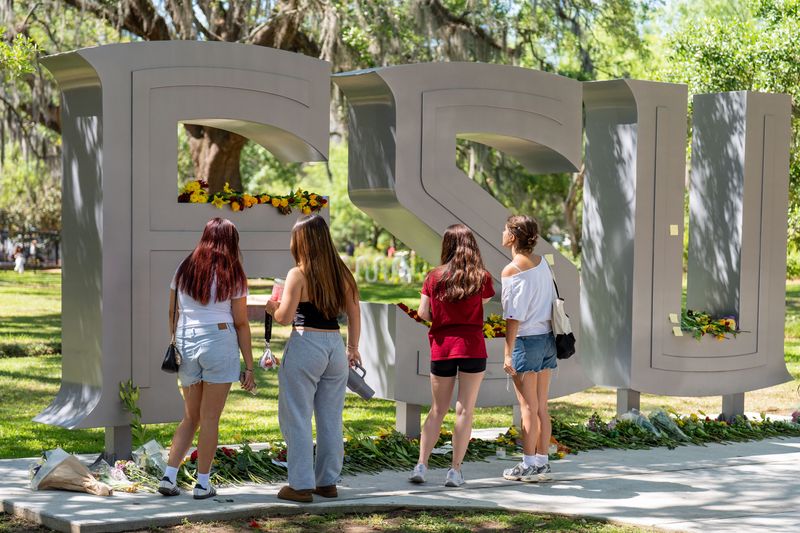
Ikner allegedly opened fire in and around the Student Union during a rampage that lasted only three minutes but left an indelible scar on the community.
Robert Morales, 57, a former Tallahassee restaurateur who served as FSU’s dining coordinator, and Tiru Chabba, 45, an executive with FSU vendor Aramark from Greenville, South Carolina, were killed in the shooting. Five people were injured, and two others were shot at but didn’t get hit.
Prosecution worried ‘issues and delays’ will force a continuance in the trial
Attorney General James Uthmeier announced April 21 that his office was launching a criminal investigation into ChatGPT and its parent company OpenAI for its ties to the FSU mass shooting.
Among other things, the chatbot gave Ikner advice about weapons and ammunition, the best time to strike and how many victims it would take to get national media attention. ChatGPT has denied all wrongdoing and said it is cooperating in the investigations.
Lawyers for Chabba filed a federal lawsuit May 10 against the tech firms for their ties to the tragedy. Before that, an attorney for Morales confirmed plans to sue ChatGPT over Ikner’s use of it before the shooting.
On April 29, Campbell, who is personally prosecuting Ikner, filed a motion asking to impose the discovery deadlines. He wrote that as of April 27, no defense witnesses had been listed, no depositions have been taken and no reciprocal discovery had been filed.
“The state fears that such reciprocal discovery will be provided in a volume and at a timing that would not allow the state to both fully investigate it and respond with potential rebuttal witnesses,” Campbell wrote. “Furthermore, no substantive motions have been filed. Once more, the state is concerned that these may raise issues and delays that would either force the state to not be fully prepared or force a continuance of the current trial date.”
Johnson’s spate of motions started just a few days later. In his motion to deny the proposed deadlines, he wrote that there are 250 state witnesses, 129 reports from the Tallahassee Police Department, 239 audio files with 911 calls and ChatGPT files that span more than 13,000 rows in a spreadsheet provided by the state.
He said the defense received 55 zip files in October with more than 800 gigabytes of surveillance, body camera and other video files that took two days to download. In early March, the defense got “voluminous” electronic files including a full cellphone data extraction and information from Google, Instagram, LinkedIn and others.
Johnson added that he was not prepared to disclose defense experts who may be called to testify about Ikner’s childhood history, including mental health issues.
“This office has been collecting records pertaining to Mr. Ikner’s life history since our appointment,” he wrote. “These records are uniquely complex given Mr. Ikner’s history, which includes a custody dispute that spanned 16 years and involved numerous evaluators and attorneys.”
Ikner was enrolled at FSU at the time and lived at home with his father and stepmother, a Leon County sheriff’s deputy whose old service weapon was used in the shooting. He is being held in the Wakulla County Detention Facility rather than in Leon County because of the family link.
Contact Jeff Burlew at jburlew@tallahassee..com or 850-599-2180.
This article originally appeared on Tallahassee Democrat: Accused FSU mass shooter set to make first physical court appearance
Reporting by Jeff Burlew, Tallahassee Democrat / Tallahassee Democrat
USA TODAY Network via Reuters Connect