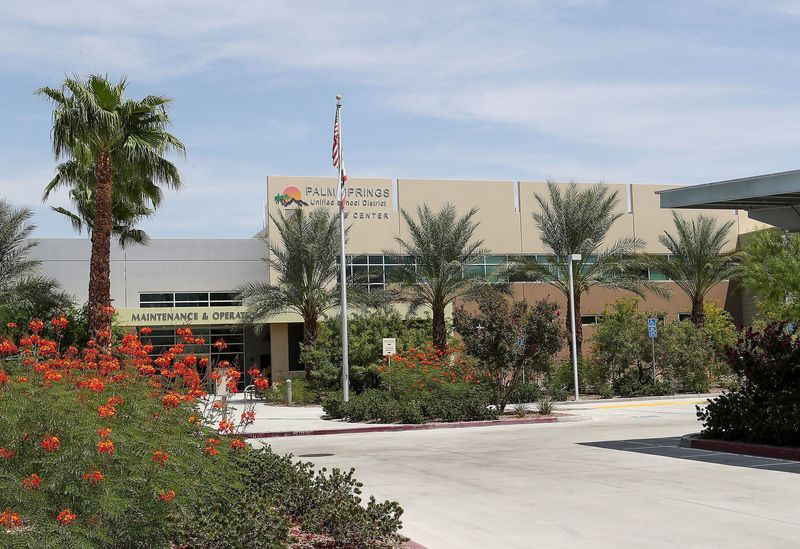
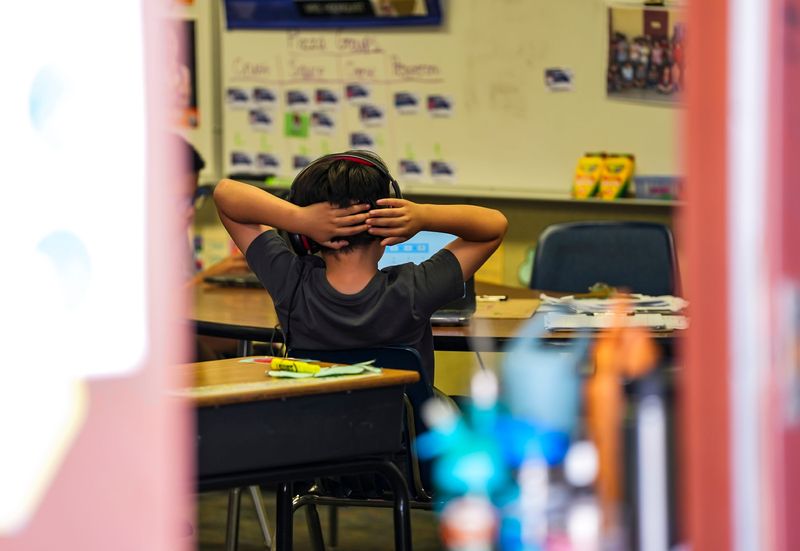
Many students are already using artificial intelligence — at home, on their phones and on their laptops — often without adult guidance. That reality is driving Palm Springs Unified School District to bring AI into classrooms, but in a more structured, intentional way.
During the Jan. 13 school board meeting, PSUSD outlined its plan to introduce AI tools through MagicSchool, a platform designed to help teachers personalize instruction while giving students guided exposure to how the technology can be used.

Will Carr, the district’s director of educational technology and information services, said the phased rollout is intended to mirror how teachers adopt any instructional tool — gradually, with discretion and ongoing review.
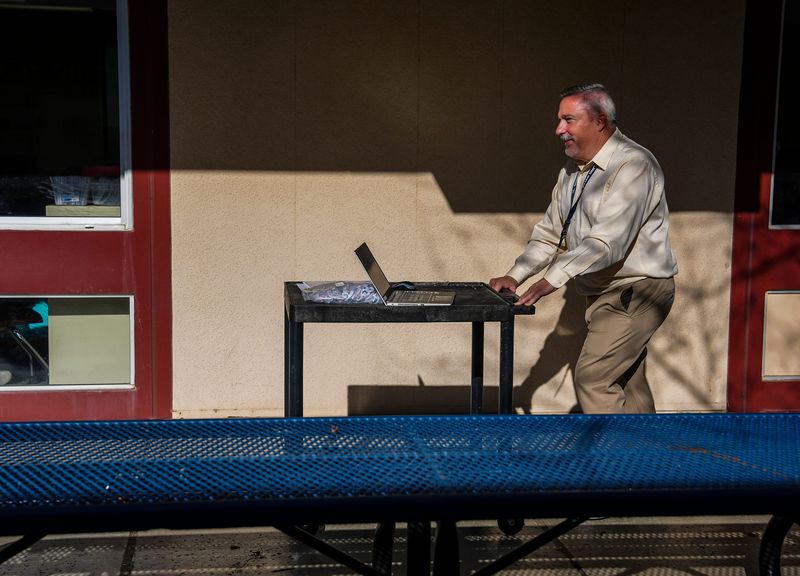
“The teacher controls their environment, their classrooms,” Carr later told The Desert Sun during a demonstration of how MagicSchool can be used by teachers and students.
Why the district is turning to MagicSchool
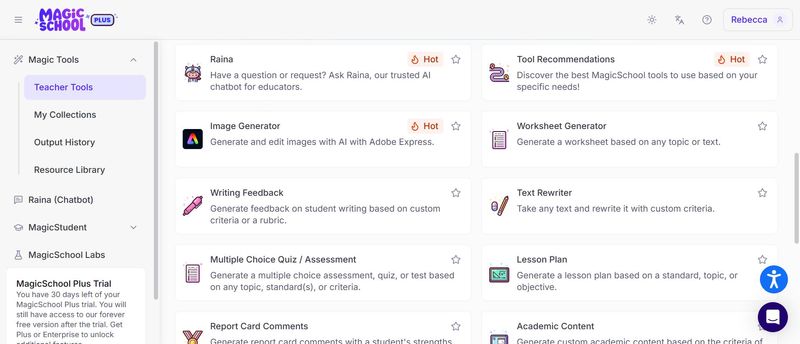
MagicSchool is an education-focused AI platform that teachers can use to generate lesson plans, quizzes and interactive practice aligned with the district’s curriculum and state standards, with the goal of supporting instruction and targeted learning. It could also be used to scaffold instruction and provide accommodations, such as translating or clarifying content for students who are English learners.
However, it’s not entirely new to the district. Some teachers at Palm Springs High School, for example, undefined, primarily for writing feedback and lesson planning support. Repeated requests from teachers and principals for expanded access helped prompt PSUSD to move toward a formal, districtwide rollout rather than continued informal use.
MagicSchool differs from open AI platforms in that it operates with a closed system using only district-approved curriculum and materials, rather than pulling information from across the internet, Carr said. That’s meant to limit the risk of the platform giving students incorrect information, a common problem with AI chatbots.
Teachers can also see how students interact with the platform, including the prompts students enter and the responses they receive.
Concerns about bias and harmful responses were also raised during the school board meeting, with trustees questioning how AI tools might respond to different students. Carr acknowledged those concerns, noting bias is a known issue in artificial intelligence and one reason the district favored an education-focused platform that the district’s AI committee vetted — and will continue to monitor — for fairness and and inclusivity.
In a separate demonstration for The Desert Sun, Carr tested the system by typing out a message as if he were a student expressing distress. The tool responded by encouraging the student to reach out to a trusted adult and other support resources, illustrating the guardrails built into the platform and its role as a support tool — not as a replacement for adult intervention.
“With anything new, we have to see the power of it and acknowledge the concerns and the potential risks,” he said. “And then we have to give our kids the knowledge to make the right choice (when using any technology).”
What students would — and would not — be able to do
Unlike open AI platforms that anyone can independently access, MagicSchool limits student use through digital classrooms created and shared by teachers and only with the tools — or the district — chooses to make available.
For instance, getting started is often the most difficult part of an assignment. Students typically work through that hurdle by talking through ideas with their classmates or looking at examples of their peers’ work before starting. That early back-and-forth, Carr said, often helps students find direction and confidence before they begin writing on their own.
MagicSchool is designed to replicate that initial brainstorming process — not necessarily by providing answers, but by prompting students to think through their ideas and to help structure their work before they begin writing. Even if students try to prompt MagicSchool to complete their assignment, the system redirects the request.
To try to test that limitation, Carr prompted the platform write him a five-paragraph essay on a topic at the elementary school level. Instead, it generated an outline and offered guiding questions to support critical thinking.
“Let’s see what it did for me,” Carr said, reading aloud the system’s response. “Introduction, hook to background, a thesis statement. OK, so it’s trying to help me brainstorm first.”
Teachers can monitor student use, another key safeguard designed to help identify misuse and support students if concerns arise. Carr also demonstrated how teachers can use settings within MagicSchool to customize how the system responds to students.
Of course, he said, educators are still responsible for reviewing any materials the platform generates for them before assigning those materials to students and for deciding when it makes sense to use the technology.
Ultimately, MagicSchool should be seen as a resource, Carr said, adding that California has moved to integrate AI and media literacy into future curriculum frameworks, which PSUSD plans to integrate alongside the rollout. He expects both the platform and the district’s guidelines to evolve over time.
“We’re giving teachers a little time to ingest it so that they can see how they might want to use it with their kiddos,” he said.
He also discussed a range of more advanced concepts using artificial intelligence — including coding and machine learning — as examples of how the technology could be used more deeply in education over time. For now, it’s about starting with basic, guided use.
“My goal is that kids start using it in a safe environment (and) start praising them for ethical use of AI tools,” he said.
As with any tool introduced in classrooms, the district plans to regularly review how MagicSchool is used at different schools across school sites and whether it supports learning as intended. The platform could also reduce the time it takes teachers to create material and allow them to focus more on instruction and individual students.
“Teaching is an art, right? You’re balancing time. You got all these young, brand new canvasses that you’re going to help guide,” Carr said. “But all these distractions … take away time from the kids. So I want people to realize that this is just a tool and you’re going to want to show them the safe, ethical way of rolling it out.”
Jennifer Cortez covers education in the Coachella Valley. Reach her at jennifer.cortez@desertsun.com.
This article originally appeared on Palm Springs Desert Sun: Palm Springs Unified is bringing AI into classrooms — carefully
Reporting by Jennifer Cortez, Palm Springs Desert Sun / Palm Springs Desert Sun
USA TODAY Network via Reuters Connect