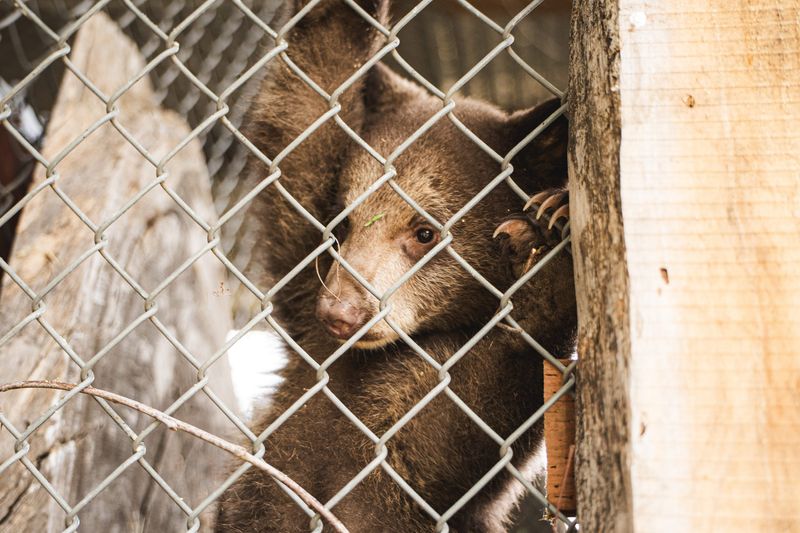
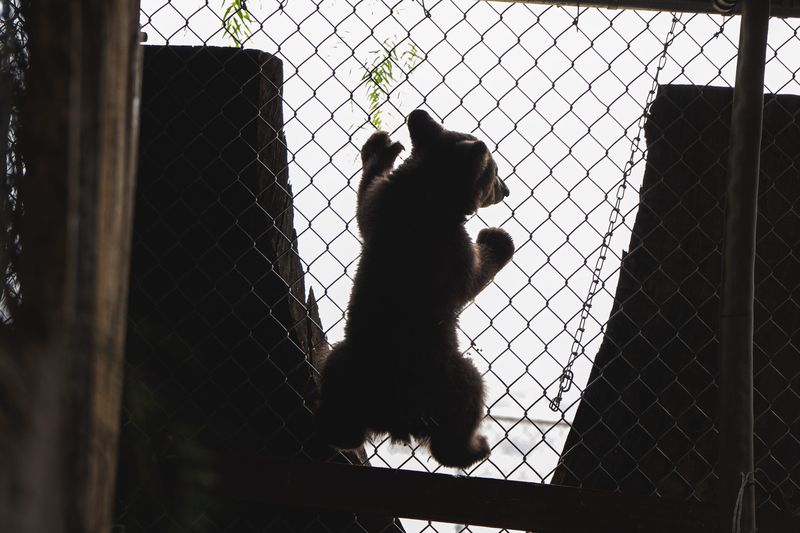
Two orphaned black bear cubs have hit a “major milestone” after spending nearly two months at a Southern California wildlife center.
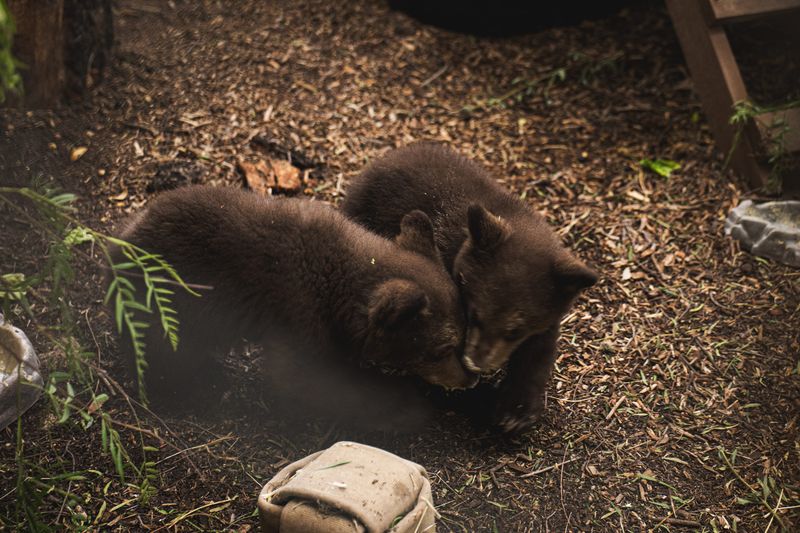
The brother cubs from Monrovia were officially moved into an outdoor habitat at the San Diego Humane Society’s Ramona Wildlife Center on Tuesday, May 12, the nonprofit announced in a news release.

“Moving outside is a big step,” Autumn Welch, the humane society’s wildlife operations manager, said in the release. “The cubs are gaining confidence, exploring and learning the skills they’ll need to survive on their own.”
The pair arrived at the center in mid-March after state wildlife officials deemed it necessary to euthanize their mother in Monrovia, citing public safety concerns.
The Monrovia mother bear incident
A Monrovia woman was walking her dog on Oakglade Drive the morning of Saturday, March 14, when the bear charged and swiped at the back of her knee, Monrovia Police Lt. Kevin Oberon told the Los Angeles Times.
A neighbor came to the woman’s aid and “helped scare the bear away,” Monrovia City Manager Dylan Feik said in a statement Tuesday, March 17.
“There were no cubs present as they were in a den underneath a nearby home,” he said, adding that wildlife officials captured the three bears the following day.
City officials and residents sought to have the bear relocated instead of euthanized; however, wildlife officials considered it necessary to euthanize the bear.
In a statement, Cort Klopping, an information officer with the California Department of Fish and Wildlife, said the decision was made after she was deemed a “Public Safety Bear.”
A “Public Safety Bear” is one that demonstrates aggressive action that has resulted in physical contact with a human, or one that exhibits an immediate threat to public health and safety, per CDFW’s Black Bear in California policy.
Through DNA testing, Klopping said officials determined the bear captured over that weekend was the same bear involved in the March 14 incident. The DNA testing also confirmed the bear was involved in a previous attack “on an elderly resident sitting on his Monrovia porch in June 2025.”
“Euthanasia is used only as a last resort when an animal poses a risk to public safety and cannot be safely returned to the wild,” Klopping said.
Though relocation may seem like a solution, it is “not an option when it could put public safety at risk,” according to Klopping.
Specialized care at wildlife center
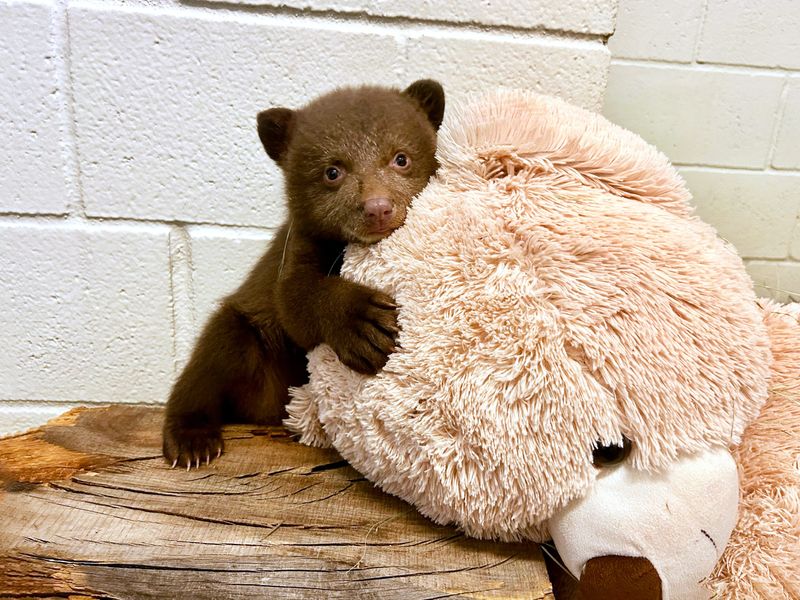
When the brother cubs arrived at the center on March 15, staff estimated them to be between two and three months old and determined they were in good health.
“Our top priority now is giving these babies the care they need and the best possible chance to return to the wild,” the nonprofit said at the time.
Given how young the cubs were when they arrived, the nonprofit said they would need months of extensive care.
To ensure the cubs stay wild, the San Diego Humane Society’s Project Wildlife team has been raising them with minimal human interaction.
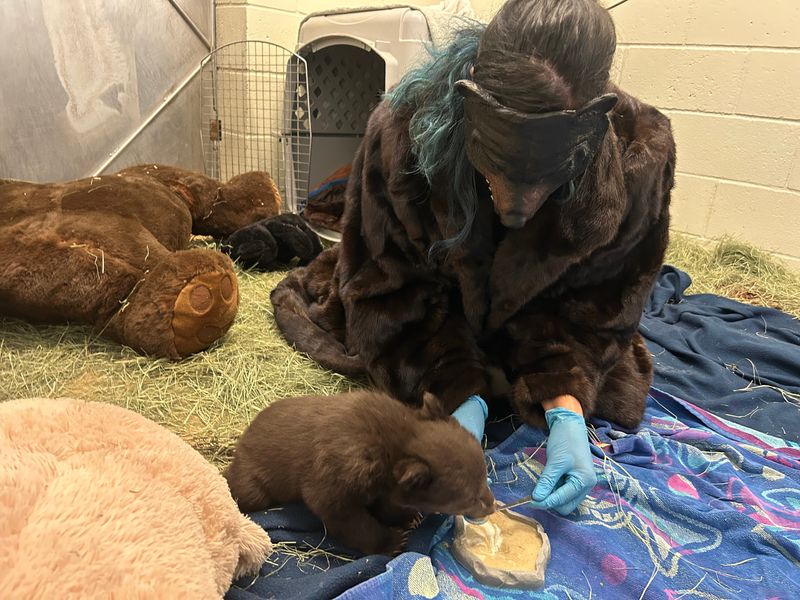
“When interactions were necessary for feeding, caretakers would wear bear masks and animal furs rubbed in natural scents to hide their human smell,” the nonprofit said. “They would crawl into the habitat to mimic how mother bear would act.”
Photos and videos from the nonprofit show the cubs unwittingly taking spoonfuls of food from San Diego Humane Society team members, whose human identities are concealed from the cubs by bear masks and furs.
“Raising bear cubs from this young age requires an extraordinary amount of time, expertise, and resources,” Welch said in the March news release. “We don’t want them to associate with humans in any way if they are going to have a chance to survive in their natural habitat.”
‘A specialized den area’
The cubs are now roaming about a “specialized den area,” which has “been decorated with live edge wood from a local sawmill in Ramona,” according to the humane society.
“As soon as they acclimate, the cubs will be introduced to a larger habitat with continued access to the den,” the nonprofit said.
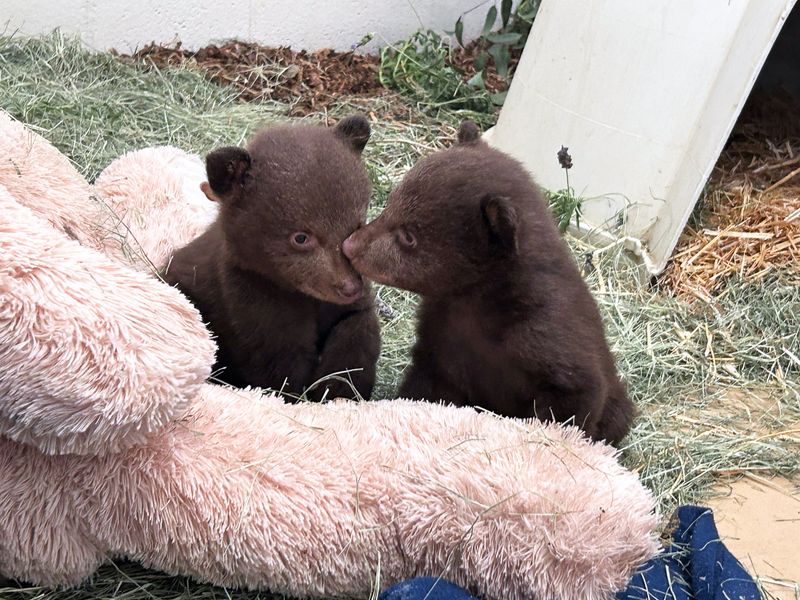
The cubs, which are now about 4 months old, are becoming more independent, as well as “learning to exhibit natural behaviors they need to survive in the wild,” the society said.
The cubs have moved on from from the days of staff spoonfeeding them formula.
“Now they eat gruel and solid food. They love fruit and leaves from native plants,” the center said. “They eat three times a day and are increasingly feeding on their own as they grow stronger and more independent.”
This article originally appeared on Palm Springs Desert Sun: Orphaned California bear cubs hit a milestone. What happens next
Reporting by Daniella Segura, USA TODAY NETWORK / Palm Springs Desert Sun
USA TODAY Network via Reuters Connect