Some adults in the Coachella Valley may qualify for GLP-1 weight loss drugs through a recently launched Medicare program.
Medicare launched a temporary GLP-1 Bridge Program on July 1, which allows some beneficiaries to receive coverage for certain GLP-1 medications used to treat obesity and pay a monthly $50 copay. The program is through the Centers for Medicare & Medicaid Services.

USA Today reported that the program is a significant change because Medicare, the federal health program mainly for adults 65 and older, has been prohibited from covering weight loss medications, including GLP-1s.
Dr. Amanda Rittenberg, a family medicine physician with Eisenhower Health who is board certified in both family medicine and obesity medicine, recently spoke with The Desert Sun to provide more information about the bridge program and who qualifies for it.
What is GLP-1?
GLP-1 agonists, aka GLP-1s, are medications that help lower blood sugar levels and promote weight loss., according to the Cleveland Clinic.
What is the GLP-1 Bridge Program?
The GLP-1 Bridge Program will cover GLP-1 medications only for weight loss purposes, Rittenberg said. Though these medications have been used for various purposes, such as diabetes, cardiovascular, kidney, liver, arthritis and sleep apnea disorders, this program is solely for weight control.
Who qualifies for the bridge program?
To qualify for the Medicare GLP-1 Bridge program, according to the CMS website, a beneficiary must:
Depending on a person’s BMI, certain conditions like pre-diabetes, high blood pressure, chronic kidney disease and more may also be considered, USA Today reports.
Additionally, Rittenberg said potential participants cannot have diagnoses for diabetes, a fatty liver or moderate to severe sleep apnea.
Rittenberg said there is a large group of her patients who have been taking GLP-1 medications through cash pay programs such as LillyDirect and NovoCare. Those people could still qualify for the bridge program based on their BMI prior to losing weight, she said.
How to get started?
Those interested in participating in the Medicare GLP-1 Bridge program should speak with their doctor/physician to see if taking these medications could be right for them. They should also feel ready to make changes in their life with diet and exercise, Rittenberg said.
What GLP-1 drugs are available through the bridge program?
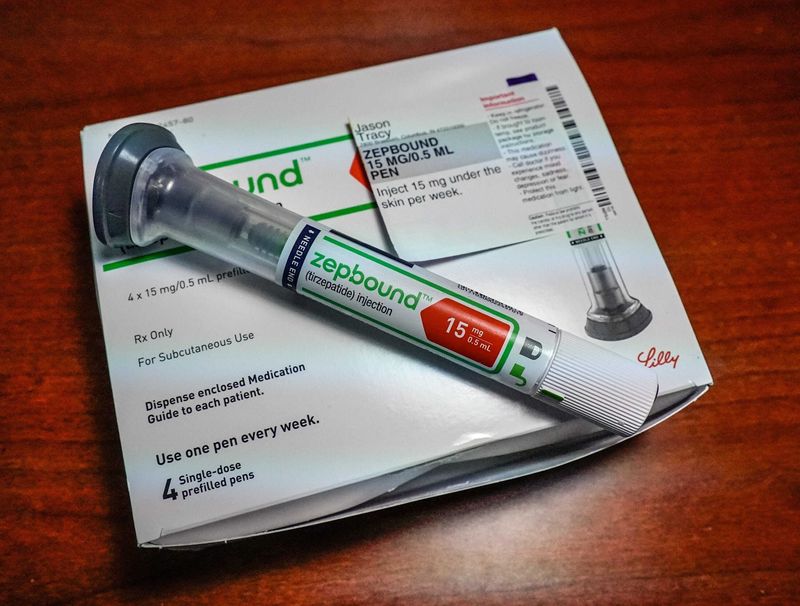
CMS states that an eligible GLP-1 drug is any of the following products when used to reduce excess body weight and maintain weight reduction: Foundayo, Wegovy (injection and tablets) and Zepbound (KwikPen).
How long will the Medicare GLP-1 Bridge program run?
The bridge program will run through the end of 2027. It is unclear what will happen after this time.
Local barriers to getting GLP-1 medications
Rittenberg said the largest barrier for people to get connected to GLP-1 medications is cost.
“This is an incredible program, especially for patients with Medicare, but there’s a large population who doesn’t have Medicare, perhaps doesn’t have insurance, and so cost is an issue,” she said. “If a provider doesn’t know about the direct-to-consumer pharmacy, patients go to the pharmacy and … sometimes they get a bill for $1,000, so they’re not going to pick that up.”
Getting in to see a physician or someone with vast knowledge of the various types of medications is another barrier, she added.
Obesity rates in the Coachella Valley
Nearly 70% of local adults have a BMI that places them in the “overweight” or “obese” category, according to the 2025 Coachella Valley Community Health Survey conducted by the nonprofit Health Assessment and Research for Communities. That percentage is similar to the national average of 72%.
“It’s something that, unfortunately, is not going to go away unless we really do everything that we can,” Rittenberg said. “It’s not just, hey, take the medication. You have to counsel patients on diet, exercise, making those little changes, and the medication is really just a tool in the toolbox.”
Previous reporting from USA Today contributed to this article.
Ema Sasic covers entertainment and health in the Coachella Valley. Reach her at ema.sasic@desertsun.com, on X @ema_sasic or on Instagram @emasasic.
This article originally appeared on Palm Springs Desert Sun: Medicare now covers weight loss drugs for some. See if you’re eligible
Reporting by Ema Sasic, Palm Springs Desert Sun / Palm Springs Desert Sun
USA TODAY Network via Reuters Connect
By Ema Sasic, Palm Springs Desert Sun | USA TODAY Network