Morel season peaks in May and, for Lansing-area residents gearing up for the hunt, they may have a great opportunity near Dansville where a wildfire occurred last year, according to the 2026 “Mi-Morels map,” released by the Michigan Department of Natural Resources.
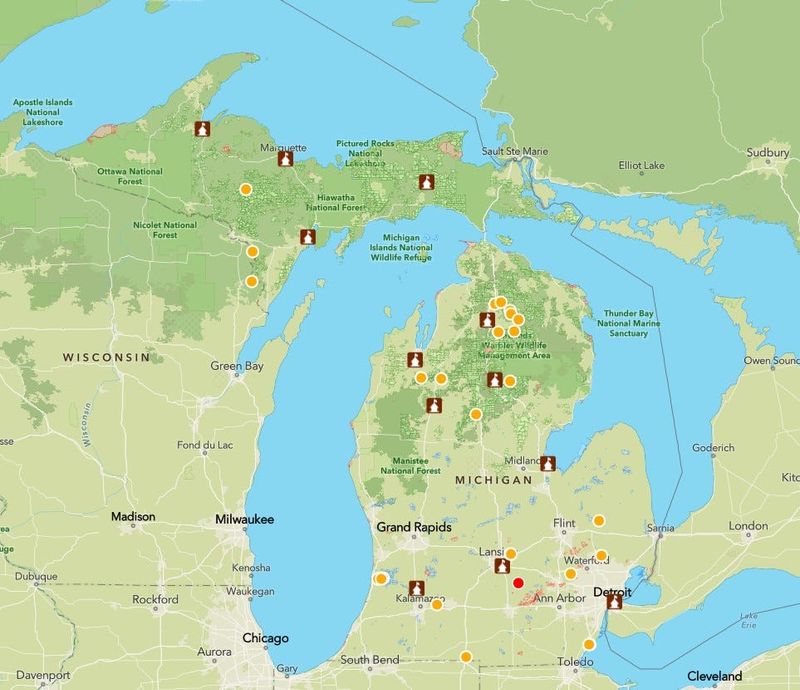
To help hunters or foodies find morel mushrooms in the wild — a mushroom widely celebrated for its flavor and rareness — the Michigan DNR released the 2026 “Mi-Morels map” showing where morels are most likely to grow.

“Morel mushrooms often are found in locations where sizable fires (more than 10 acres) occurred the previous year,” the DNR said. “The mushrooms only will grow where there was a forested covertype; grass or other ground covers will not yield morels. Additionally, morel mushrooms are more likely to grow in burned areas where jack, white, or red pine once grew.”
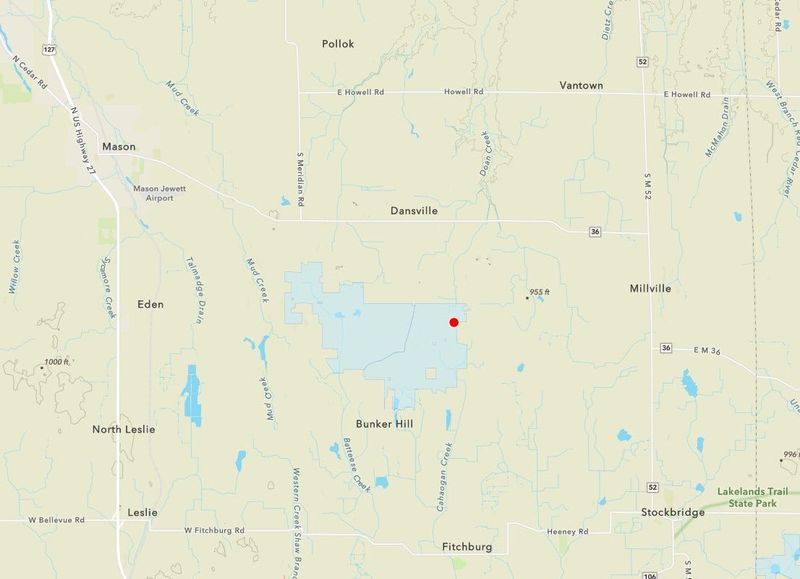
A 30.4-acre wildfire burn area is marked on the map, among prescribed burn locations across the state. The Ingham County location is made up of private residences and parcels, according to Google maps, which would require owner permission to search. Other locations on the DNR map include state land.
Late April is considered the fruiting period for morel mushrooms, so residents soon can search the state’s forests for the beloved fungi. May tends to be peak season for morel hunting, but the season may last as late as June. During that time, residents enjoy the search and share their finds via social media.
Here’s more on the morel map and where Lansing should start searching this year:
Michigan DNR 2026 morel mushroom hot spot map
Michigan’s DNR released its interactive Mi-Morels map for 2026 — accessible on the DNR’s morel mushroom hunting webpage — which shows morel hot spots scattered across Michigan.
Red and yellow markers on the map represent 2025 burns or wildfires for a reason: morel mushrooms are likely to grow in burned areas,
Where is the morel hot spot near Lansing?
The DNR shows an area in Ingham County near Dansville where a 2025 wildfire occurred.
The map also includes coordinates to find the location via Google maps, although landowner permission would be necessary to search for morels.
What do morel mushrooms look like?
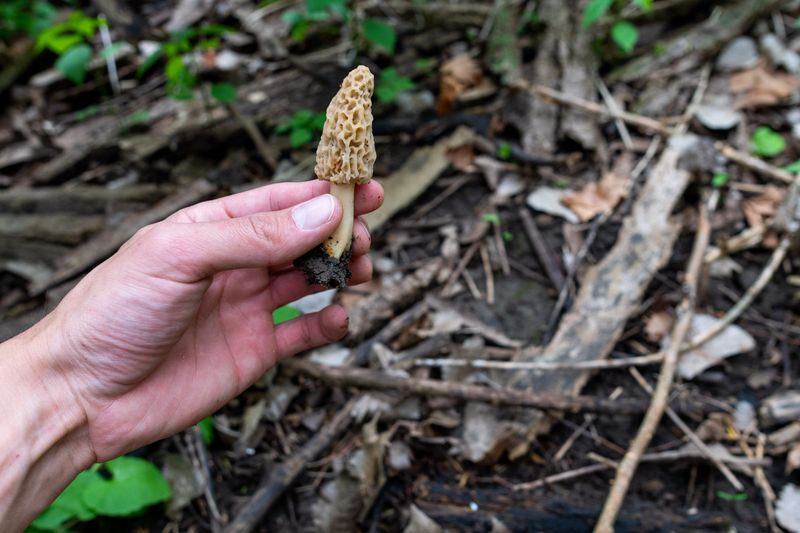
The white morel is the most common morel mushroom and is also called the gray morel. Its color varies from light cream to gray and to yellowish-brown depending on its habitat and age.
Other species include black morel, half-free morel and burn-site morel.
False morels are nonedible look-alike species and should not be eaten. The easiest way to check whether a mushroom is a false morel, is to check if the cap connects to the stalk. Free hanging varieties (those that grow downward) should not be eaten, the DNR warns.
Get ready to celebrate morels
The 2026 Mesick Lions 67th Annual Mushroom Festival, from May 8-10 in Wexford County, which celebrates the art of finding mushrooms.
The 66th annual National Morel Festival is set for May 14-17 in Boyne City.
Contact Sarah Moore @ smoore@lsj.com
This article originally appeared on Lansing State Journal: Morel mushroom hot spot near Lansing. See 2026 ‘Mi-Morels map’
Reporting by Sarah Moore, Lansing State Journal / Lansing State Journal
USA TODAY Network via Reuters Connect