Lansing — Mold is a persistent problem inside Michigan’s only prison for women, and employees made bets over whether inmates there would commit suicide, according to testimony presented Tuesday to the state House Oversight Committee.
For about 90 minutes during an occasionally fiery hearing in the Capitol, the Republican-led panel discussed allegations of mistreatment and unhealthy conditions at the Women’s Huron Valley Correctional Facility in Washtenaw County.

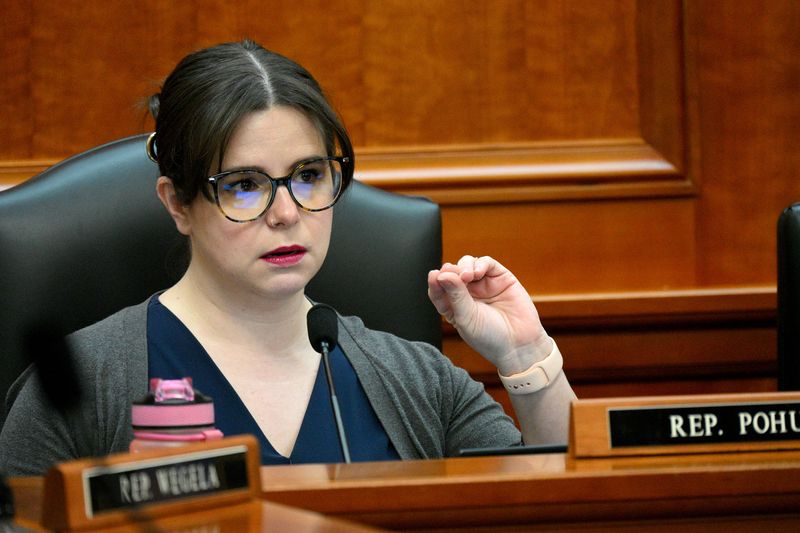
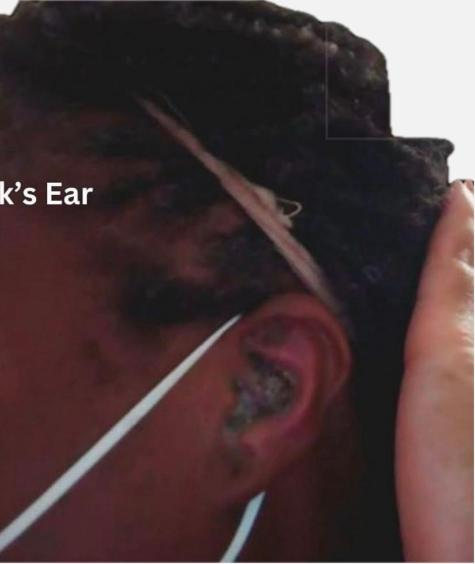
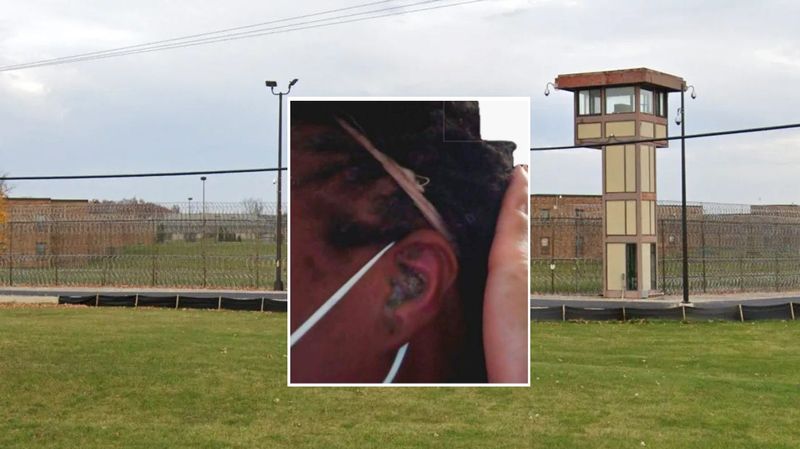
One woman incarcerated at Huron Valley has mold growing in her lungs and visibly out of her ears, a state representative testified at the hearing. Another woman died of sepsis after an abscessed tooth became infected and the infection traveled to her heart, said state Rep. Laurie Pohutsky, D-Livonia, and the woman’s family.
But the problems at the Women’s Huron Valley Correctional Facility go far beyond these two women, Pohutsky said.
Pohutsky, two former employees at the prison and Michigan’s corrections ombudsman testified in front of the oversight committee about the issues they have seen and heard were occurring at the prison. Most notably, they said, is a persistent problem with mold, which inmates and former corrections officer LaResha Thorntonsaid has led to health problems, and a lack of access to medical care for inmates.
“It’s just a matter of basic humanity,” Pohutsky told The Detroit News on Monday. “These are people who are in the state’s care because of sentences that the Legislature has constructed for them. To just sort of toss them into a prison and forget about them is negating the fact that they are human beings and they should not be punished in such a way that is cruel and unusual, obviously, but also just completely negates their humanity.”
But Jenni Riehle, public information officer for the Michigan Department of Corrections, responded to Tuesday’s testimony by saying the department “has established itself as a national leader in evidence-based corrections.”
“Over the last decade, the department has safely reduced the prison population, including the population at Women’s Huron Valley, worked to modernize facilities and operations, increased opportunities that support long-term self-sufficiency and achieved the lowest recidivism rates in our state’s history,” Riehle said.
Yet, Andi Allen, a former employee at Women’s Huron Valley, said the women incarcerated at the prison are the ones who have to clean up persistent mold at the prison, often at risk to their own health.
“People say Michigan doesn’t have a death sentence, but it does. It’s Women’s Huron Valley,” Allen said.
Thornton, who worked at the prison for five years, testified about employees making a bet that one inmate wouldn’t commit suicide.
“When she did, they were upset, highly upset,” Thornton said.
‘He offered to eat it in front of me’
Pohutsky noted systemic issues with women being ignored when they brought up problems, women in wheelchairs missing meals and medication, follow-up appointments being missed and medications not being given properly.
“These are documented problems that I have not been able to get the appropriate level of scrutiny from MDOC on when I’ve reached out about them,” Pohutsky said.
A report released this month by Disability Rights Michigan found that wheelchair users repeatedly missed meals, prescribed medications and programming because the wheelchairs or attendants were unavailable. This has been an issue since at least 2010, when a U.S. Department of Justice investigation found the wheelchairs provided were broken, dirty and ill-fitting. One woman told Disability Rights that her wheelchair only had one wheel.
The review found 56% of the 82 women who used wheelchairs missed more than half of their meals. About one-third of women received less than 10% of their prescribed medications because they weren’t able to get to the medication line.
Rep. Reggie Miller, D-Van Buren Township, requested Tuesday that the oversight committee bring in Warden Jeremy Howard so the representatives could question him about the conditions at the prison.
“We treat animals better than we treat these individuals,” Miller said, which prompted applause from those watching the hearing. “There’s decades of issues with this facility and the treatment of women there. … People are dying from these prisons, and we need to take action.”
Pohutsky, who’s been leading lawmakers’ probe into the prison, said she visited in February and pointed out black spots near the ceiling in the shower room to Howard.
“I asked the warden what those black spots were,” Pohutsky told the committee. “He told me that this was black paint on clear grout, that there was no mold, and he offered to eat it in front of me.”
Miller said it is “unacceptable” that the women at the prison are the ones who are removing the mold, often using bleach.
On the other side of the aisle, Rep. Joshua Schriver, R-Oxford, said the state spends about $2.2 billion a year on its prison system.
“I’d like to talk to the manager,” Schriver said, drawing applause from people inside the crowded meeting room.
Pohutsky said since Michigan’s law changed last year to allow legislators to make unannounced visits to prisons — previously they had to give three days’ notice — women incarcerated at Huron Valley told her there has been more of an attempt to keep conditions cleaner.
Pohutsky said she hopes the committee can direct the department to change and improve some of the conditions, though she acknowledged this would be a heavy lift.
“Long story short, the long-term goal is policy change,” Pohutsky said.
Rep. Denise Mentzer, D-Mount Clemens, asked House Oversight Chairman Jay DeBoyer, R-Clay Township, to request that Michigan’s auditor general audit the prison. DeBoyer agreed that he would do that.
After the hearing, DeBoyer told The News he would attempt to call in Howard, the warden, and Department of Corrections Director Heidi Washington to answer questions about the Huron Valley facility.
“When you have a cultural problem in an entity, even if it isn’t being driven by the director, it’s the director’s responsibility to correct it,” DeBoyer said.
Mold problems targeted by lawsuit
Three women, including Krystal Clark, whom Pohutsky spoke about at the oversight committee who has mold growing in her ears and lungs, first filed a class-action lawsuit in 2019 about the mold at the prison, though the case was dismissed in August 2023. The attorneys refiled the case, alleging that due to the lack of adequate ventilation at the prison, along with damp and dirty conditions, women imprisoned there have suffered long-term exposure to mold, toxins and allergens.
Though the state argued that qualified immunity bars the inmates from suing them, U.S. District Judge Stephen Murphy said the Department of Corrections did not act reasonably. Instead of fixing the conditions, prison officials focused on concealing issues before visitors came, he said.
“Huron Valley is infested with mold. The mold eats through bricks and door frames,” Murphy wrote in his ruling in June. “It drips off the ceiling. It falls out of air vents. It bubbles and bursts through paint. And it leads to a parade of horrible medical conditions — respiratory infections, wheezing, skin rashes, etc.”
The Department of Corrections argued the women failed to show a substantial risk of serious harm and suggested “the poor conditions at Huron Valley are part of the routine discomforts of prison life,” but Murphy said he disagreed.
Thornton, the former corrections officer, said Tuesday that the mold is only cleaned when “someone from Lansing” comes to visit.
“They give the ladies gloves, sometimes a mask and a little bit of bleach,” she said. “The ladies that had to clean the mold, they just had to deal with whatever happens to them when they breathe in the chemicals and the mold together.”
Thornton said she herself was diagnosed with ulcerative colitis and was told her intestines were swollen because of the mold exposure. When inmates spoke up about the mold-related issues, they were ignored, she said. Thornton said she was told Clark was a liar and that nothing she said was true.
Janice Green, who said she was acting as Clark’s spokesperson, wrote in a letter to the committee that Clark became ill shortly after her arrival at Huron Valley in 2011. Lab tests showed she has a fungal infection caused by mold in her lungs and ears, as well as visible mold growth in her ears. The grievances she’s filed have been ignored, Green wrote.
Keith Barber of the Office of the Legislative Corrections Ombudsman said showers at the prison were used for 14 to 16 hours a day.
“There just isn’t enough air, I don’t think, to get that out to dry it up,” said Barber, who investigates the Department of Corrections on behalf of lawmakers.
Family bemoans woman’s death
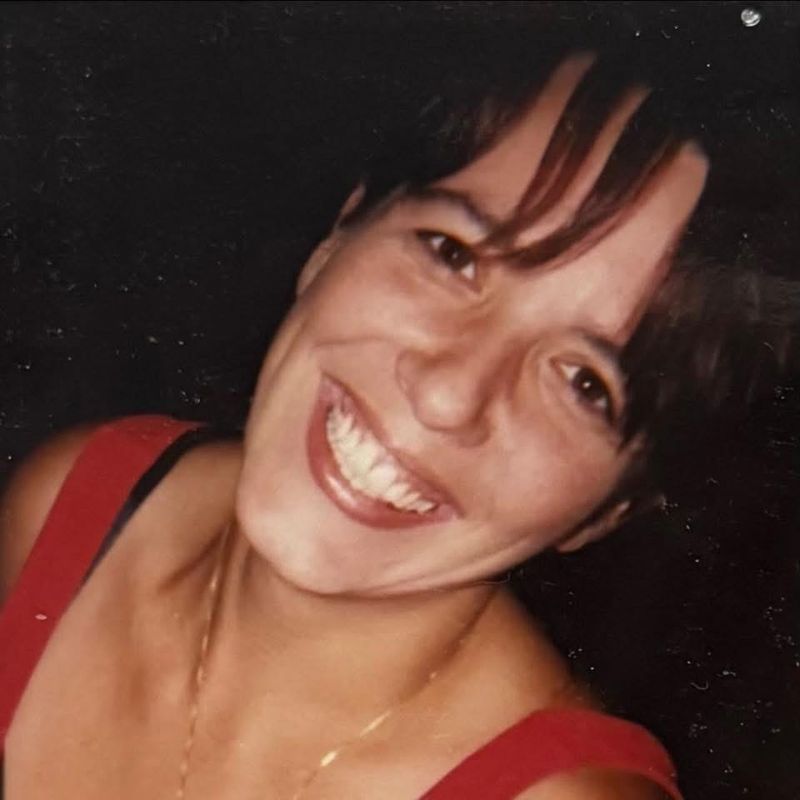
Jennifer Jean Wallace, 54, died of sepsis while in custody at MDOC, stemming from what her family believes was an abscessed tooth that became infected after she could not get treatment for it.
A little over a month before Wallace’s death, she became disoriented and fell off her bunk, hurting herself so badly she needed to use a wheelchair, Wallace’s younger brother Lloyd Simpson told The News.
Over the next five or six weeks, her health deteriorated rapidly to the point where, during her last visit with her mother a week before she died, she could barely keep her head up and had to leave to go lie down, Simpson said.
Wallace had a mitral valve transplant in 2008 that required her to keep up with a specific medication regimen and blood testing, Simpson said, and she had not been getting the proper treatment.
She had surgery Nov. 16 to try to clear the infection out from around her heart and replace the heart valve and died of sepsis shortly after getting out of the operating room, Simpson said.
“It’s unconscionable that that facility exists the way it does,” Simpson said. “It’s a violation of human rights. … I 100% am saying their medical negligence led to her death. 100% absolutely certain of it. I’ve never been more certain of anything in my life.”
Pohutsky said she has reached out to the Department of Corrections with questions about Wallace’s death, but she said she has “not been able to get the appropriate level of scrutiny from MDOC” on them.
Simpson wants change at the facility, as he said the women there are not getting the health care they need.
“We live in a punishment society. We punish those who are disposable,” Simpson said. “The state and society deemed my sister disposable, and that’s why she ended up in that predicament.”
‘You’re a liar’
Barber, the Legislature’s corrections ombudsman, said drug use in prisons across the state had become a much larger problem than it was 15 years ago.
He said drugs have been thrown over prison fences, visitors have brought them and they’re coming through the mail.
“I don’t really know exactly where they’re coming in because the department keeps really poor records about substance abuse,” Barber said.
After the hearing ended, people in the crowd, which included some individuals with family members in the prison, confronted Barber, saying prison employees were actually the ones bringing drugs into the facilities.
“You’re a liar,” one person shouted at Barber as he exited the meeting room.
kberg@detroitnews.com
cmauger@detroitnews.com
This article originally appeared on The Detroit News: Michigan lawmakers hear testimony of mold, mistreatment at prison for women
Reporting by Kara Berg and Craig Mauger, The Detroit News / The Detroit News
USA TODAY Network via Reuters Connect