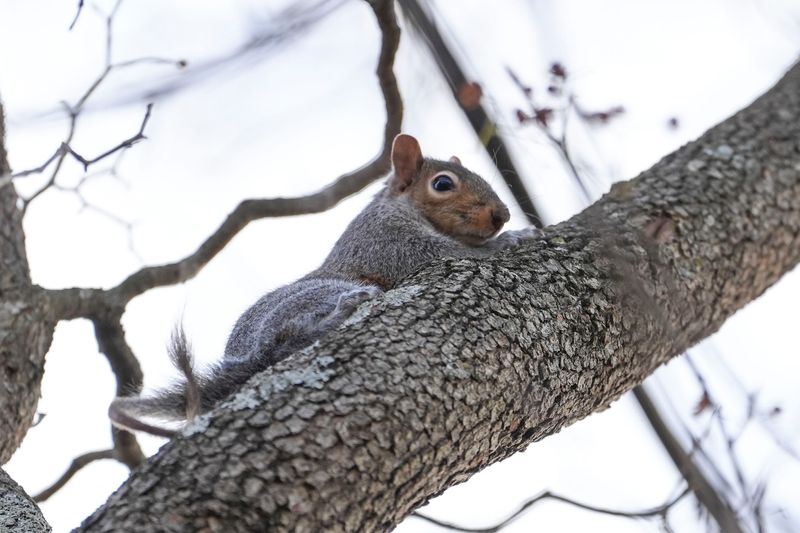
Michigan residents have likely fed a friendly squirrel or bird brave enough to get close, but there are state laws that address feeding wildlife, and experts often discourage the activity.
Michigan law does not include a ban on feeding wildlife overall, though there are baiting and feeding laws for deer and elk and some cities regulate the practice.

According to the Department of Natural Resources, feeding or baiting deer or elk in the Lower Peninsula is banned completely, except for hunters with disabilities during the liberty and independence hunts. In the Upper Peninsula, feeding and baiting is allowed, though there are rules on the timeframe, volume of bait and other regulations.
Feeding other animals, including squirrels, raccoons, opossums, rabbits, beavers, chipmunks, foxes and others is not banned, but the legality depends on local restrictions and whether you are on private property.
The DNR, however, recommends removing food sources that could attract any of the 26 animals on the DNR’s nuisance wildlife list, such as black bears, bats, Canada geese, coyotes, ducks, foxes, muskrats and others.
“Many wildlife are well adapted to living near people and as they become accustomed to humans they may cause conflicts. Options for handling issues will vary by species,” the DNR said.
For example, to avoid a black bear encounter — there are about 12,000 — officials suggests only having bird feeders up in the winter when black bears are hibernating. It’s also important to prevent bears and other animals from getting into garbage, so containers should be stored in secure locations with a lockable lid.
“While foraging, bears may move into new areas in search of food or return to a location where they previously found a meal,” said Rachel Leightner, wildlife outreach coordinator for the Michigan Department of Natural Resources Wildlife Division, warned in 2021. “During this time, we ask everyone to consider removing their bird feeders and any other potential food sources until bears have entered their dens in December.”
Here’s what to know about Michigan’s laws on feeding wildlife and how to be safe:
Is it legal to feed wild animals in Michigan?
Yes, in general, although local regulations vary. Michigan does not have a ban against feeding wild animals, with the exception of deer and elk. Lansing, for instance, has a specific “deer feeding ban” within city limits to manage populations.
How much bait or feed am I allowed to give out in Michigan?
Hunters are allowed to scattered no more than 2 gallons of seed or bait during the deer or elk hunting seasons for both the U.P. and Lower Peninsula, according the DNR’s baiting and feeding rules. It also must be scattered onto the ground.
Can I feed wild animals on private property?
Yes. Feeding wildlife on private property is allowed in Michigan, however, it could become an issue for property owners and for the overall health of the state’s ecosystem, according to the DNR and U.S. Department of Agriculture.
For instance, feeding wildlife either intentionally or by accident could lead to them sticking around, disrupting the surrounding property, damaging crops or even entering homes.
Here are reasons, listed by the USDA, why intentionally feeding wildlife poses a risk:
What about my bird feeder? How can I be safe?
Having bird feeders in Michigan is legal, and a common backyard addition. However, feeders can raise environmental and health concerns especially if the bird feeder is not properly cleaned regularly, according to the U.S. Fish & Wildlife Service.
“In general, it’s bad practice to feed wild animals. That’s because teaching wild animals to associate humans with handouts can lead to problems. Think: “bad” bears at campsites; alligators stalking people. And the danger is not just to humans. Supplemental feeding can cause digestive problems for some animals (deer and rabbits, for example) and alter normal behaviors,” the U.S. Fish & Wildlife Service explained.
One big risk to having a bird feeder is luring unwanted animals much, much bigger than birds. Here’s what the U.S. FWS recommends for a clean and responsible bird feeder:
Contact Sarah Moore @ smoore@lsj.com
This article originally appeared on Lansing State Journal: Is it legal to feed wildlife? Yes, but here’s why you might not want to
Reporting by Sarah Moore, Lansing State Journal / Lansing State Journal
USA TODAY Network via Reuters Connect