This year has been the deadliest in the last half-decade for Michigan’s only prison for women, as news just broke of another woman (69-year-old Dasie Forbes) incarcerated there dying — the fifth since mid-May.
Women account for only about 7% of the U.S. federal prison population. That small share has shaped the infrastructure available to them, resulting in fewer facilities and fewer placement options when conditions or care come under question.

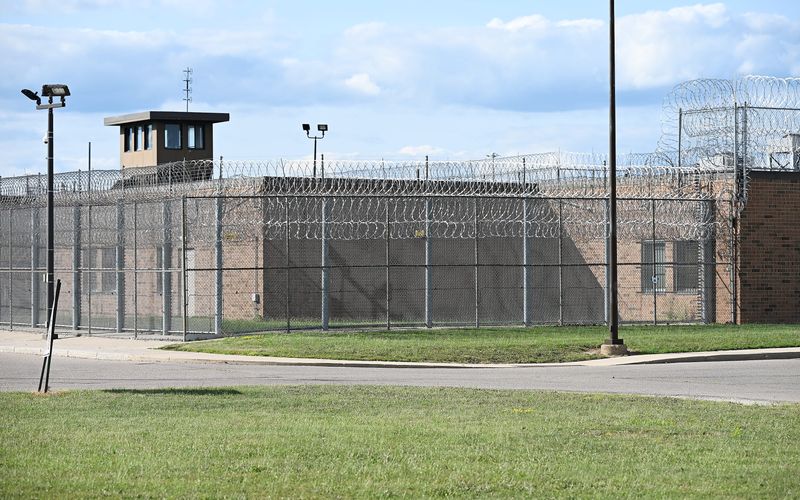
Huron Valley Correctional Facility is Michigan’s only women’s facility. That means there’s nowhere else to send inmates when conditions or care come under question. Two of the four autopsy reports have now been released, and they point to different causes of death.
Khaira Howard, 28, died from a blood clot in her lung caused by deep vein thrombosis. Her death was ruled natural. Ashley Hoath, 36, died by suicide from acute aspirin poisoning. Her autopsy documented prior self-harm and a previous suicide attempt involving other drugs.
Autopsies for Rebecca Fackler, 57, and Dalephenia Jones, 62, remain pending, although Jones was hospitalized following a cardiac event and died 14 days later.
The findings do not support a single explanation for all four deaths. They do, however, raise separate questions about how the prison identifies and responds to serious physical and mental health risks.
More scrutiny is warranted. A cause-of-death finding cannot tell the public whether signs of physical decline were recognized early enough or whether appropriate suicide-prevention measures were in place.
In prison, questions about the timing and quality of care carry greater weight. When symptoms worsen in prison, an incarcerated patient cannot choose another physician or go to a hospital without the state’s approval. Every stage of care depends on the institution responsible for their custody.
MDOC has created a “transparency website” and announced changes at Women’s Huron Valley, including additional clinical support and a new health care staffing plan. But the public still has no clear way to determine whether those changes are improving care or whether treatment plans are being carried out as intended.
Michigan should require facility-level reporting that measures health care performance rather than simply counting services. That should include how long patients wait after requesting care, whether specialist referrals and follow-up appointments are completed and how often treatment is delayed or missed. Chronic-care plans should create an auditable record showing what was scheduled, what was provided and why any part of the plan was not fulfilled.
When someone dies in custody, the state should publish a de-identified mortality review that reconstructs the relevant medical timeline, identifies whether established procedures were followed and explains any corrective action. Those actions should carry deadlines, with public updates showing whether they were completed. Individual medical privacy can be protected without shielding system performance from scrutiny.
These requirements would allow families, journalists, researchers and taxpayers to evaluate MDOC’s claims using measurable evidence. Any private healthcare contractor working inside the prison should also be evaluated against the same benchmarks, with contract consequences when performance standards are repeatedly missed.
When the government eliminates a person’s ability to seek care elsewhere, it assumes the burden of showing that the care it promised was actually delivered. Transparency should make that performance visible. Accountability should follow when it falls short.
Layal Bou Harfouch is a policy analyst at Reason Foundation focused on interdisciplinary harm reduction across drug policy, criminal justice, housing, child welfare and women’s health. She is also a doctoral researcher at the University of Oxford.
This article originally appeared on The Detroit News: Huron Valley Correctional Facility deaths demand independent oversight | Opinion
Reporting by Layal Bou Harfouch / The Detroit News
USA TODAY Network via Reuters Connect
By Layal Bou Harfouch | USA TODAY Network