By Timothy Aeppel, Nicholas P. Brown and Christoph Steitz
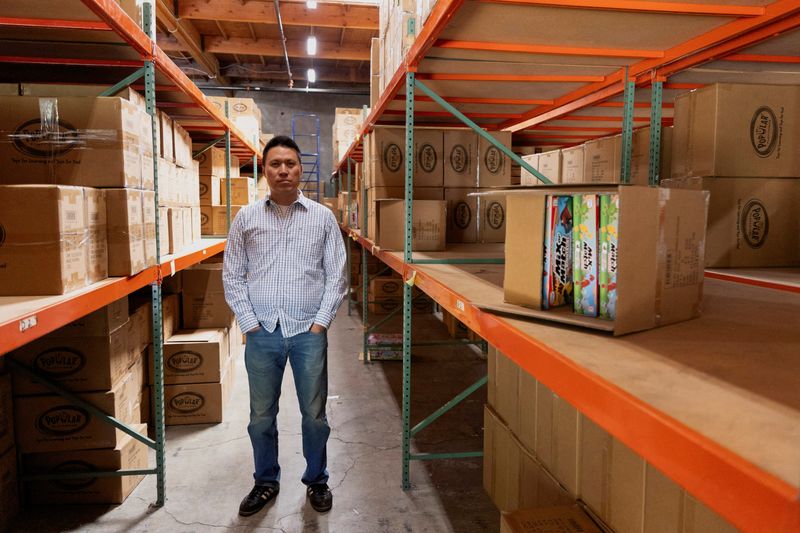
April 17 (Reuters) – Jay Foreman said he’s “locked and loaded” for the U.S. government’s launch on Monday of a new system to refund up to $166 billion in illegally collected tariffs, but he and many other importers are realistic that much could still go wrong.

“You have to be worried about what they could possibly do to jam things up,” said the CEO of toymaker Basic Fun, which sells Tonka trucks, Care Bears and K’Nex construction toys.
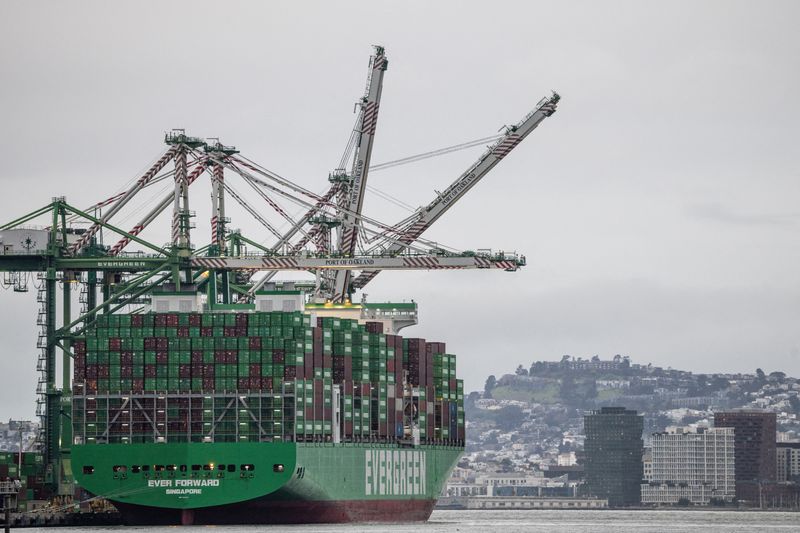
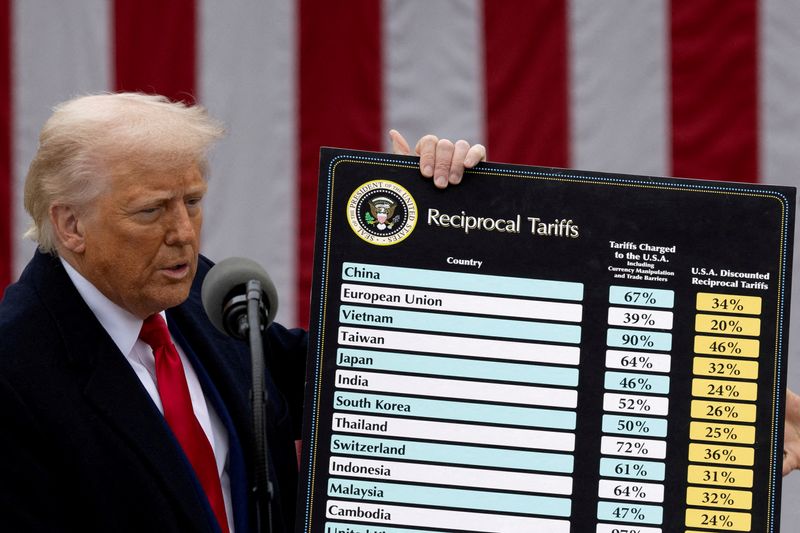
The refund system is the latest twist in a drawn-out battle over tariffs collected over the past year as part of President Donald Trump’s effort to restructure U.S. trade relations with almost every nation on earth. The constantly shifting tariffs roiled global business as companies rushed to shift supply chains to avoid them as well as figure out who would ultimately pay the taxes.
The U.S. Supreme Court in February struck down the tariffs President Trump pursued under a law meant for use in national emergencies, handing the Republican president a stinging defeat.
In a court filing on Tuesday, U.S. Customs and Border Protection said it had completed development of the initial phase of the refund system, known as CAPE. The system will consolidate refunds so importers will get one electronic payment, with interest when applicable, rather than processing refunds on an entry-by-entry basis. Critics of Trump’s tariffs had pushed for a streamlined process.
Customs officials said as of April 9, some 56,497 importers had completed the steps necessary to receive electronic refunds, an amount totaling $127 billion, or more than three-quarters of the total eligible to be refunded. More than 330,000 importers paid the tariffs at issue on 53 million shipments of imported goods, according to court filings.
Matt Field, CFO of heavy truck maker Oshkosh, is one of them. The Wisconsin-based manufacturer doesn’t disclose how much it paid in emergency tariffs, but Field said it’s an “impactful” amount. “I’m a CFO, so I do chase every dollar,” he said.
Field said he’s prepared to file for a refund as soon as the customs portal opens but may wait for the “system to settle.”
Multiple importers reached by Reuters said they are concerned about the durability of the new filing system, at least in the opening phase as thousands rush to upload their claims.
“It’s not like Taylor Swift tickets going on sale,” said Basic Fun CEO Foreman, who is seeking $7 million in refunds, but with so many companies looking for a refund at the same time, there’s “no telling if it crashes the portal.”
‘THERE ARE WRINKLES’
There are plenty of potential logistics glitches. Jason Cheung, CEO of Huntar Co., a U.S.-based toymaker with a factory in China, said, “It’ll be nice to get that money back,” but added, “it looks like the government is trying to make it difficult.”
Cheung noted that registration requires entering bank account information even though the government already has it for customs payments. And company names must be exact. “It took me five tries before we could get registered due to minor differences like ‘company’ versus ‘co,'” Cheung said.
Still, he said, “we are very used to filling out forms” and have “no concerns” about ultimately getting a successful refund.
That sentiment was echoed by Rick Woldenberg, CEO of educational toy maker Learning Resources, one of the key plaintiffs in the court case that led to the tariffs’ undoing.
“There are wrinkles, of course, but I am pleased to see the government do the right thing,” said Woldenberg, whose company is seeking more than $10 million.
Refunds can be claimed by any company that is the legal entity that paid the taxes, so the issue reaches beyond U.S. borders. German fan manufacturer ebm-papst told Reuters it was already registered on the portal.
But as the system “is a new functionality created by U.S. Customs, it remains to be seen how well the system will actually handle the bulk processing of refund claims,” a spokesperson for the Mulfingen, Germany-based company said.
Companies prepping claims also said they worry about a last-minute legal move by the Trump administration that could also slow the process. Customs has until early May to appeal the Court of International Trade’s order requiring they create the tariff refund portal.
Meanwhile, the refund process opens a different challenge for many importers. “The real complexity here is how to deal with my customers, assuming we get the tariffs back,” said Austin Ramirez, CEO of Husco International in Waukesha, Wisconsin, a producer of hydraulic components used in automotive and off-road equipment like bulldozers.
“The question is what we do with it, do we keep it, pass it on to them?” It’s a unique situation with each customer, he noted.
Just who gets the refunds has become a political issue after U.S. consumers endured a year of tariff-elevated prices. The system is set up to refund the importer of record, not ultimate end users who paid higher goods prices as a result.
At a congressional budget hearing on Thursday, U.S. Trade Representative Jamieson Greer – a key architect of the tariffs struck down by the high court and of the new import levies the administration is scrambling to install in their place – was asked if the administration had any plans for refunds for households.
The attorneys general for the Democratic-led states who filed one of the lawsuits decided by the Supreme Court “asked for the money to go back to the companies,” Greer said. “The Democrat attorneys general asked for this and they’re getting what they asked for.”
(Reporting by Timothy Aeppel; Nicholas P. Brown; and Christoph Steitz; additional reporting by Tom Hals; Editing by Daniel Burns and Anna Driver)