By Nathan Layne
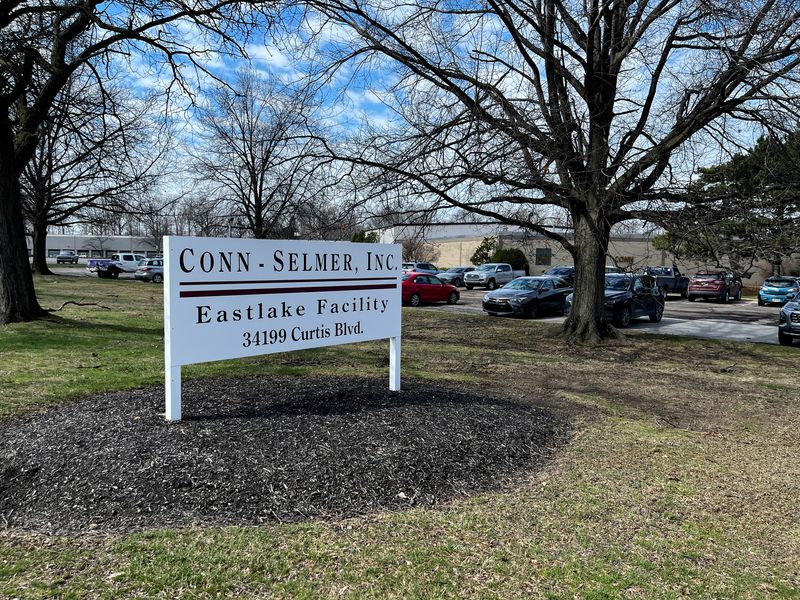
EASTLAKE, Ohio, April 17 (Reuters) – When Keith Czika learned the brass-instrument factory where he had worked for nearly 18 years was closing and his job was headed to China, the 62-year-old Ohioan focused on what he saw as a source of leverage: the plant’s ultimate owner, billionaire investor John Paulson, a close ally of President Donald Trump.

A three-time Trump voter, Czika raised the idea in early January with union colleagues of publicly calling out Paulson to try to save the Conn Selmer plant. The strategy was to pressure Paulson by linking the closure to Trump’s pledge to revive American manufacturing. During the 2024 campaign, Paulson had criticized U.S. companies for offshoring jobs.
But the United Auto Workers’ public campaign — including a rally at which local officials assailed Paulson, social‑media videos and an online petition to the White House seeking Trump’s intervention — failed to avert the closure. The Eastlake, Ohio, factory is set to shut at the end of June, costing 150 jobs.
Conn Selmer, the largest U.S. band-instrument maker, will shift to China production of tubas, sousaphones and some French horns, Chief Executive John Fulton told workers in January, according to a video reviewed by Reuters. That accounts for nearly all of the Eastlake factory’s output.
The failed effort underscores the limited political power of blue‑collar workers who form a core part of Trump’s base, even when their demands echo his populist “America First” agenda.
It also highlights the electoral risks to Republicans ahead of the November midterm elections. Trump and his allies are struggling to hold together the coalition of voters who powered him to victory in 2024. The president’s approval ratings have sunk amid high prices, an unpopular war in Iran, and verbal broadsides against Pope Leo, who counts many of Trump’s Catholic supporters as his followers.
“Why Paulson would make the decision to go to China is beyond me at this point. China, for one, is an economic enemy of the United States,” Czika said.
Czika’s anger toward Paulson reflects wider unease among working-class voters about the direction of the economy and their place in it. U.S. manufacturing employment has fallen by about 100,000 jobs since Trump’s inauguration in January 2025, according to Bureau of Labor Statistics data.
The White House did not respond to a request for comment.
POLITICAL RISK FOR REPUBLICANS
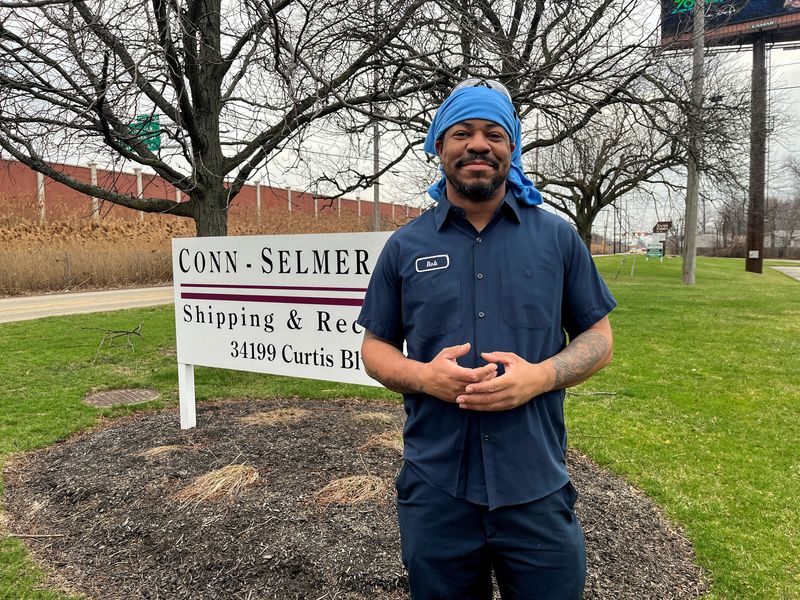
In interviews with Reuters, a dozen Conn Selmer workers spoke of a sense of loss over jobs they took pride in, assembling and polishing instruments used by everyone from high school bands to professional musicians, and worried they would struggle to find work as fulfilling or as well paid.
Conn Selmer, which declined to comment for this article, said in a January statement it would move professional French horn production from Eastlake to an existing Indiana factory and remained “deeply committed to U.S. manufacturing.” While the statement mentioned moving the rest of the instrument production “offshore”, it made no mention of China.
John Plecnik, a Republican commissioner in Lake County, which includes Eastlake, warned that his party risked losing support from union workers ahead of November.
“MAGA equals put American jobs first,” Plecnik said. “If we don’t keep the promise of protecting jobs, I wouldn’t blame them for going right back and voting Democrat.”
Of the six workers interviewed by Reuters who said they backed Trump in 2024, five said they still planned to vote for Republican candidates in November. Only one said her anger over the plant closure would likely lead her to sit out the next election.
TRUMP’S VOW TO REVIVE MANUFACTURING HAS NOT MATERIALIZED
Paulson played a pivotal role in Trump’s 2024 campaign, hosting a fundraiser at his Palm Beach home in April that raised about $50.5 million. A few months later, he publicly echoed a core theme of Trump’s populist campaign.
“We can’t have American producers closing American factories and offshoring. We need to protect American jobs and protect American manufacturing,” Paulson told CNBC in September 2024.
Paulson, whose investment firm owns Conn Selmer’s parent, Steinway Musical Instruments, did not respond to requests for comment.
On the campaign trail, Trump vowed that a manufacturing revival would “happen fast and beautifully,” and when he imposed sweeping tariffs on U.S. trading partners last April he predicted they would make factories “come roaring back.”
But a tariff on Chinese-made brass instruments — currently at 20.4% — has not deterred Conn Selmer, which is following rivals that shifted production to China years ago to cut labor costs.
At the January meeting, Fulton, Conn Selmer’s CEO, told workers they would need to find $13 million in savings to save the plant.
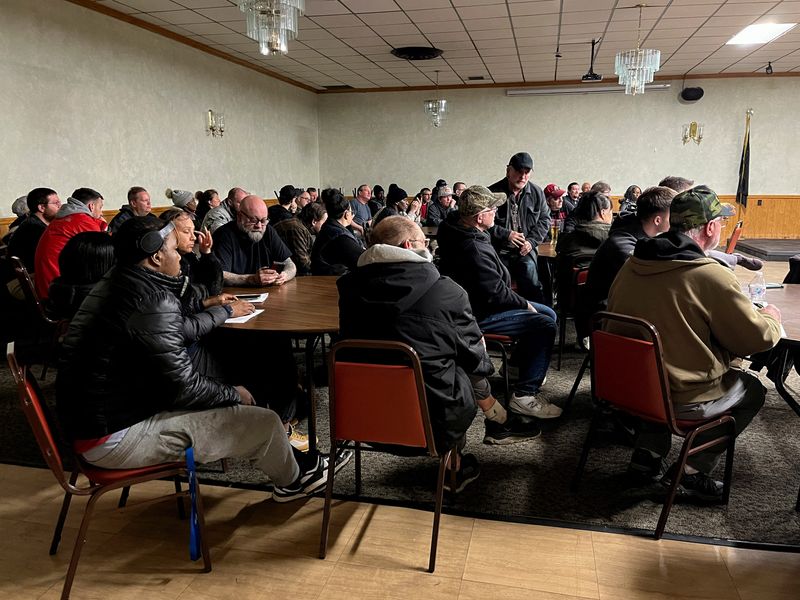
By mid-March, workers assembled in a dimly lit American Legion hall, where they were briefed on the severance packages they would receive.
For Annette Dombrowski, who had married in that same hall 43 years earlier, the plant closure felt deeply personal. After the severance meeting, she fought back tears as she described her anxiety about finding work to supplement a Social Security check stretched thin by persistent inflation.
“I think all of America is crap right now,” said the 64-year-old janitor. “I’m starting to regret my vote for Trump,” she said, adding that she would likely skip voting in November.
Czika believes tariffs could, over time, help revive American manufacturing, arguing that U.S. firms can compete on quality even if they cannot match China on labor costs. In the meantime, his support for Trump is strong but not unconditional.
“If you keep your promises, that’ll be fine,” he said. “If you don’t, that’ll be a problem. America First. Bring manufacturing back.”
(Reporting by Nathan Layne in Eastlake, Ohio; additional reporting by David Lawder in Washington; Editing by Ross Colvin and Alistair Bell)