Is it legal in Florida to set up rain barrels and capture the rainwater streaming off your roof?
It may seem like a silly question. Rain is free. Who cares if you keep some? Collecting rainwater helps cut water bills, supports water conservation, and could even serve as an emergency water supply.

But while there is no federal law about it, some states have strict restrictions on rainwater collection based on their climates. Some states with strict water rights systems, such as Colorado, may limit how much can be collected to make sure enough of it gets to the soil and passes into rivers and lakes that need it. Other states offer incentives to collect rainwater to aid in conservation.
Shop rainwater collectors at Amazon
Here’s what to know.
Is it illegal to collect rainwater in Florida?
No. Florida gets plenty of rain, and there are no state restrictions on collecting it.
Some counties will sell you the collection system, and depending on where you live, you might even qualify for tax incentives or utility bill rebates.
Check your local municipal codes for any additional rules, restrictions, or incentives.
Can my HOA prevent me from collecting rainwater in Florida?
No. Florida Statute 720.3075 blocks homeowners associations from prohibiting “the use of Florida-friendly landscaping and other water use and pollution prevention measures to conserve or protect the state’s water resources.”
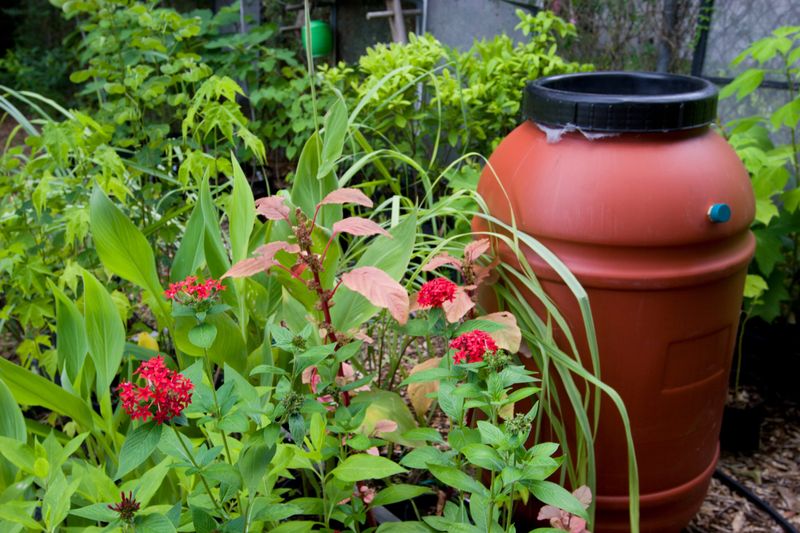
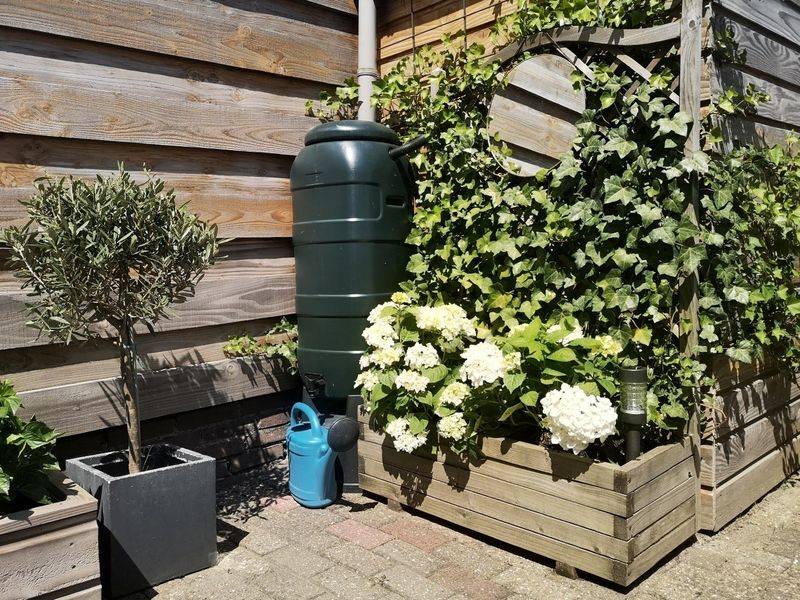
However, your HOA may restrict the appearance of your collection system, or require you to put landscaping or latticework to screen it from the road. Check with your HOA before installing a collection system or sticking a barrel underneath your downspouts.
Why should I collect rainwater?
Free water is free water. Collecting and storing rainwater can help provide a supply for gardening, irrigation, and other uses around the home. Rainwater is “soft” and mostly free of calcium, chlorine, and lime, according to the IFAS Extension at the University of Florida, perfect for washing gardening tools, vehicles, windows, trash cans and recycling bins, and great for orchids and houseplants.
Catching the rain before it gets into your yard can also help reduce erosion and flooding, and cut back on contaminants and debris getting washed into streams and sewer systems.
“For every inch of rain that falls on 1,000 square feet of roof area, about 600 gallons of rainwater can be collected,” IFAS said. That’s 600 gallons that isn’t running into your yard, patio or driveway, or into the street.
Can I drink rainwater?
It’s not advisable to drink it straight from the barrel without treating or boiling it. Rainwater may contain germs and chemicals picked up in the air or after running over your roofing materials and gutters. That could even mean traces of asbestos, lead, or copper, according to the Centers for Disease Control and Prevention (CDC). There’s also dirt and bird or squirrel droppings to worry about.
Some rain collection systems include filters to improve the water quality, but you should not drink it, bathe with it, or use it to water any edible plants without first treating it.
What about mosquitoes?
Every Floridian knows that standing water = mosquitoes.
Keep any openings in your rain barrel or collection system covered with fine mesh or window screening to prevent mosquitoes from getting in and laying eggs. Some commercial products can be added to the barrel to discourage mosquitoes. The Agricultural Experiment Station at Rutgers University recommends adding several tablespoons of cooking oil that will float on the surface of the water and prevent their access to air.
The best way to prevent mosquitoes from breeding in your barrels, though, is to use the water as soon as possible and clean the barrel periodically.
C. A. Bridges is a journalist for the USA TODAY Network-Florida’s service journalism Connect team. You can get all of Florida’s best content directly in your inbox each weekday by signing up for the free newsletter, Florida TODAY.
This article originally appeared on Sarasota Herald-Tribune: Is it legal in Florida to collect rainwater?
Reporting by C. A. Bridges, USA TODAY NETWORK – Florida / Sarasota Herald-Tribune
USA TODAY Network via Reuters Connect
By C. A. Bridges, USA TODAY NETWORK – Florida | USA TODAY Network