Texas’ $868 billion agriculture industry represents nearly 10% of the state’s gross domestic product and supports more than 4.4 million jobs in Texas. Our state’s agricultural roots run deep with more than 5,000 family farms and ranches going back more than a century.
Despite this, farming and ranching in Texas has never been easy. And water scarcity and increasing costs have made it harder for family farms and ranches to stay afloat. Texas has lost 1.56 million acres of farmland in the past five years, and most of our state continues to face drought conditions.

Significant growth across all sectors has resulted in competing demands that could squeeze Texas’ farmers and ranchers further. The problem is exacerbated by a multi-year drought that is projected to continue. The situation puts generational family businesses at risk, resulting in some having to move on to other industries and, worst case, forcing them to sell their land.
Existential challenges to Texas’ farmers and ranchers are not new, but they are serious and intensifying. Texas’ farmers and ranchers understand the connection between responsible land management and water supply, and The Nature Conservancy stands ready to partner with Texans who work the land.
The science and data already make the case for long-term solutions. Voluntary targeted investments in land stewardship — clearing invasive species, conducting controlled burns, managing grazing patterns — deliver measurable returns on water supply, flood risk, and coastal water quality often at a fraction of what could be required by the government for remediation after the fact.
These aren’t new practices. Texas ranchers and landowners have been doing this work for generations, and the results show up downstream: healthier water supplies, reduced flood damage and coastal waters clean enough to support the commercial fishing and shrimping industries that Gulf Coast communities depend on. The opportunity is to scale what’s already working.
The Nature Conservancy’s recently released Nature’s Dividends report — drawing on more than 1,000 peer-reviewed studies — puts numbers to what many in this state already know from experience. In Texas, every dollar invested in land conservation saves Texas taxpayers up to $6 in water infrastructure costs and protects $23 worth of land value. The returns cited in that report come from real transactions.
TNC works directly with ranchers and farmers to help structure agreements that make sense for each operation: irrigation upgrades, water rights protections and improved land management that keeps soil healthy and reduces runoff.
In Marion County, rancher Bob Sanders worked with TNC to purchase a portion of his water rights and place them into the Texas Water Trust, keeping flows in the Big Cypress Bayou intact for his ranch, his neighbors and the downstream communities that depend on it.
For Sanders, it came down to one thing: what his son and grandchildren would inherit. That’s the model: voluntary, landowner-driven and built around keeping working lands productive for the next generation of farmers, ranchers and all Texans.
I spent the majority of my career working with water providers and protecting water sources, and that experience shapes how I think about the physical connection between our land and water.
I’ve seen firsthand that Texas’ water security begins in the headwaters in our river basins — often on agricultural land — long before it reaches a customer’s tap. The relationship between private land stewardship and Texas’ long-term water supply is a daily motivator for me, but it doesn’t have to be for millions of other Texans who should simply be able to turn on the tap.
The ranchers and landowners who have been managing this land for generations are already doing the work. They just need the data, the resources and the policy support to do it at scale.
My goal in this role is to earn trust the same way trust gets built anywhere — by showing up, listening and doing collaborative work that drives better outcomes. Texas farmers and ranchers have managed their property, in many cases across multiple generations in ways that recognize the implicit link between their work, their lifestyle and the water that falls on their land.
They have a depth of practical knowledge no organization can replicate. TNC’s job is to add tools to the existing toolbox, and we will continue to bring data and resources to the table while making the case for the investments these communities have been asking for.
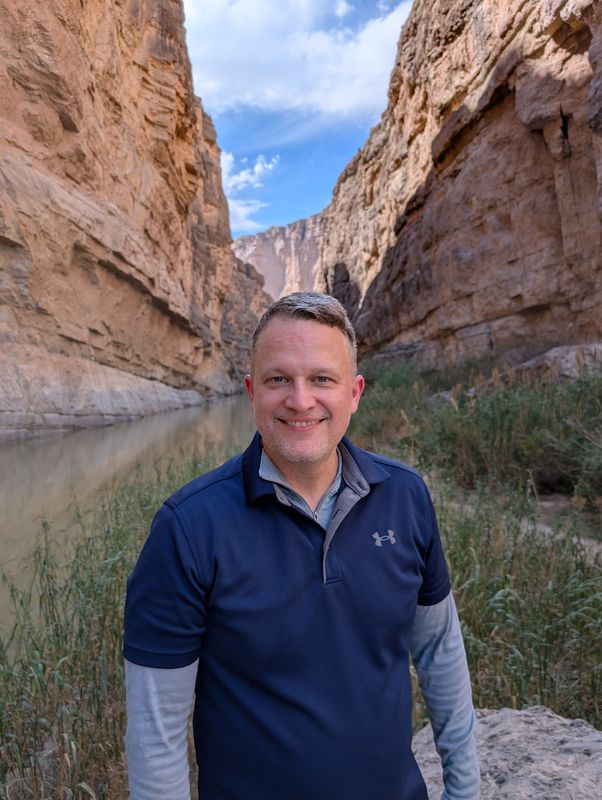
James McGuire is the new state director of The Nature Conservancy in Texas.
This article originally appeared on Wichita Falls Times Record News: Nature Conservancy leader addresses Texas’ water challenges | Opinion
Reporting by James McGuire, State director of The Nature Conservancy in Texas / Wichita Falls Times Record News
USA TODAY Network via Reuters Connect
By James McGuire, State director of The Nature Conservancy in Texas | USA TODAY Network