Earthquakes that shake the ground under Redding are a sign of something bigger happening deep below the far Northern California region, geologists say.
The culprit is also responsible for much of what makes the North State a beautiful place to live: It’s volcanoes.

Redding residents occasionally feel reverberations from strong quakes off the Northern California coast, like the strong (7.0) temblor that rocked towns south of Eureka in 2024. But small temblors that jiggle Redding — earthquakes that may feel different from ones on the coast, come from deep in the Earth’s crust below the city, according to the U.S. Geological Survey.
Here’s what’s happening, scientists say, and what makes Redding’s earthquakes different than temblors on California’s North Coast.
Note to readers: If you appreciate the work we do here at the Redding Record Searchlight, please consider subscribing yourself or giving the gift of a subscription to someone you know.
Why Redding gets earthquakes
Temblors under Redding strong enough for people to feel don’t happen often, but they’re normal, said Paul Caruso, a geophysicist with the USGS Earthquake Center.
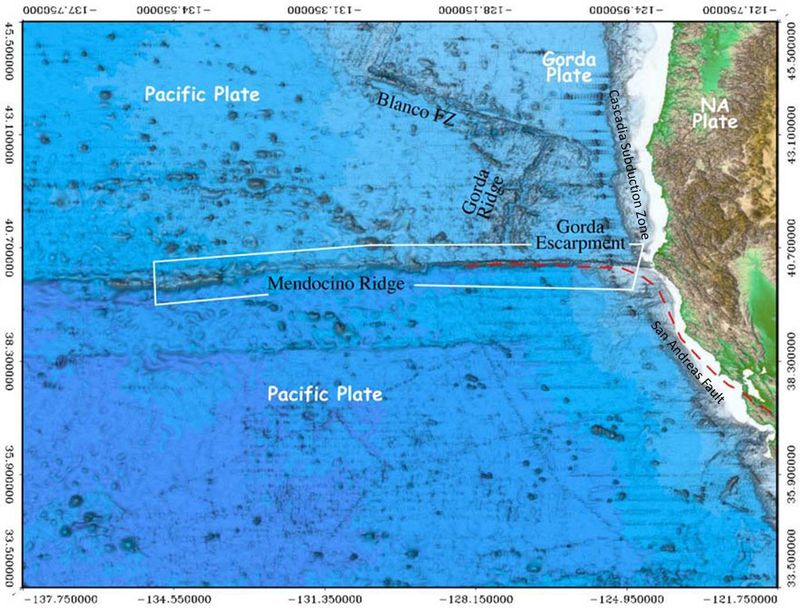
That’s because tectonic plates stacked to the west of Shasta County are moving in opposite directions. “The Gorda Plate is being pushed under California and Oregon,” under the North America plate on which Redding and the North State sit, Caruso said.
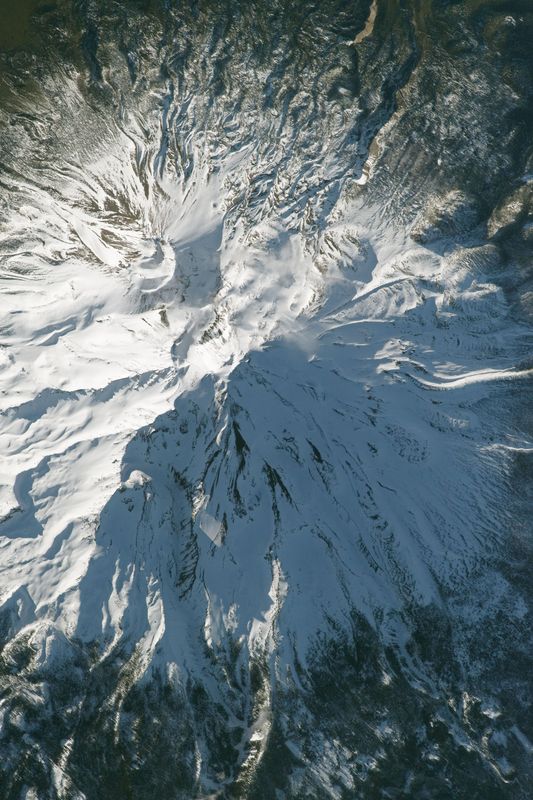
As the Gorda Plate moves through the Earth’s crust, it melts against the mantle. That’s why we have Mt. Shasta, Lassen Peak and other volcanoes further inland, Caruso said. That melting makes those areas unstable, and volcanoes form.
Why Redding earthquakes may sound or feel different than temblors on the Humboldt Coast
Shasta County residents often describe local earthquakes as small but loud. Some say Redding quakes imitate the sound of a small explosion.
They may also describe a feeling of free falling or jerking during a Redding quake, while people in Eureka may experience longer earthquakes that feel like the ground is rolling.
“It depends which side of the fault you’re on,” Caruso said. Jolting quakes, like those described in Redding, “are more related to thrust events,” like when one plate pushes another up or down.
Do we know when Shasta County will get an earthquake strong enough for people to feel it?
No, but we know they’re coming, Caruso said.
Shasta and Siskiyou counties are part of the Shasta Cascade region, classified by the USGS as a moderate earthquake hazard area. That means there aren’t frequent earthquakes strong enough for people to feel them, but the area does get shaken occasionally.
The North State is always on the move. The Gorda Plate is moving east, and the North American plate is carrying Redding, Yreka, Mount Shasta and everything west of the Sierra Nevada farther west, according to geologists.
Scientists can study earthquake likelihood by recording the history of earthquakes in a location, mapping fault lines and measuring ground temperatures and shifts; but they don’t know when the next earthquake will happen.
“We know we’re going to have more earthquakes (in Redding), but they’re not predictable,” Caruso said.
Why Humboldt County gets bigger shakes than Redding
Humboldt County has a lot of earthquakes because three tectonic plates come together near the Eel River, about 20 miles southwest of Eureka, according to Randy Reed, earth science professor at Shasta College in Redding.
Earthquakes like the strong December 2024 quake happen along the Mendocino Fracture Zone, a horizontal line that juts west into the Pacific Ocean, according to NOAA, and the beginning of the San Andreas Fault.
Most earthquake activity happens at the Mendocino Triple Junction near the coast, the point where the Gorda, North American and the Pacific plates come together, Reed said. That’s the reason the coast gets stronger earthquakes.
“The bigger the earthquake, the longer the shake,” Caruso said.
Jessica Skropanic is a features reporter for the Record Searchlight/USA Today Network. She covers science, arts, social issues and news stories. Follow her on Twitter @RS_JSkropanic and on Facebook. Join Jessica in the Get Out! Nor Cal recreation Facebook group. To support and sustain this work, please subscribe today. Thank you.
This article originally appeared on Redding Record Searchlight: Why Redding earthquakes are different from California’s coast
Reporting by Jessica Skropanic, Redding Record Searchlight / Redding Record Searchlight
USA TODAY Network via Reuters Connect
By Jessica Skropanic, Redding Record Searchlight | USA TODAY Network