Cincinnati will spend more on police and give money to a music venue in the budget City Council passed on June 17.
The city manager had described it as the “leanest year yet.” The city, which has a $593 million general fund budget, faced a $30 million deficit.

Here’s who came out ahead and who didn’t in the budget for the fiscal year starting July 1.
Who benefited?
Farmer Music Center
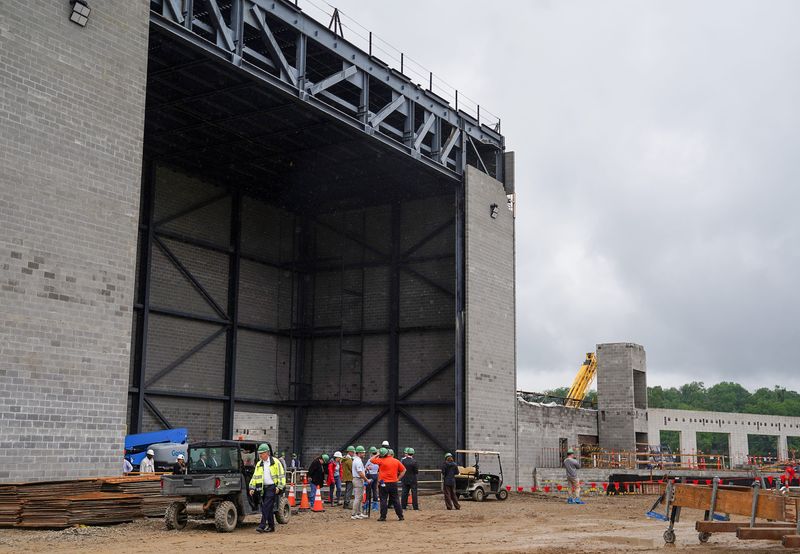
The $160 million Farmer Music Center under construction on the city’s eastern border will get $2 million. It divided city council. The ordinance with the music venue funding passed June 17 in a 6-3 vote.
Vice Mayor Jan-Michele Lemon Kearney and Councilmembers Scotty Johnson and Mark Jeffreys voted against it. They wanted to spend the money on infrastructure or affordable housing.
“Our credibility is starting to wane,” Johnson said.
Councilman Jeff Cramerding said he opposes the funding of the music venue but voted for the ordinance because he supported other projects in the legislation.
Also known as Riverbend 2.0, the $160 million music venue would upgrade the 42-year-old Riverbend Music Center on Kellogg Avenue on the site of the old Coney Island amusement park in Cincinnati’s California neighborhood. Designed by GBBN, the outdoor performance venue is expected to hold 20,000 people. It is owned, operated and developed by the Cincinnati Symphony Orchestra’s music promotion arm Music and Event Management Inc., known as MEMI.
Public Safety
City Council responded to concerns over crime in Cincinnati by increasing how much it will spend on public safety. High-profile incidents, including the killing of an Over-the-Rhine resident and gym owner, a brawl on Fourth Street in the summer of 2025 and two shootings on Fountain Square, have made a crime one of the city’s biggest issues.
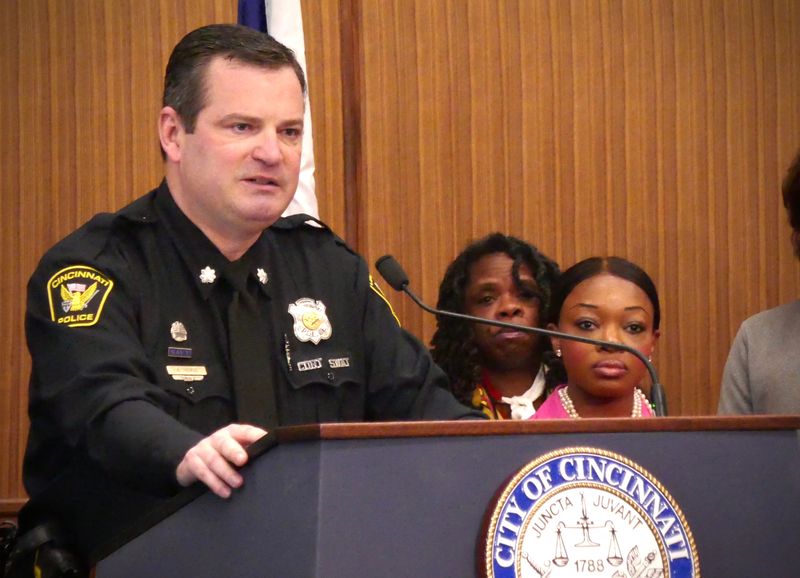
The city increased the budget for the Cincinnati Police Department by 15.2% from the current year to $217 million.
This will include $1.8 million for two 50-member police recruit classes, the first of which will graduate in November 2026. The second will start in February 2027.
The budget also includes $1.6 million for police drones. The city manager, in her recommended budget statement, said the expanded drones “expands policing capacity and allows for more efficient deployment of uniformed officers.”
City Council also passed Mayor Aftab Pureval’s recommendation for $500,000 for “physical public safety improvements on Fountain Square.”
Roads
With the increased proceeds from the sale of the Cincinnati Southern Railway, the city will repave 70 miles of roadway. That’s 20% more miles paved than the previous year, Cincinnati’s budget director Andrew Dudas said in a meeting on May 26. The railway sale investment proceeds resulted in $58 million for infrastructure in the next year, $2 million more than the previous year and more than double what the city was getting prior to the sale.
Purple People Bridge
The Purple People Bridge will also receive some city money.
City Council budgeted $300,000 for an engineering study that will “help study what is needed for a sustainable future for a critical, iconic piece of pedestrian infrastructure.”
The bridge, built in 1872, reopened as a pedestrian-only bridge in 2003. The bridge, which connects Cincinnati and Newport, is now owned by Newport. Maintenance issues have plagued the aging bridge, including in 2024 when it closed for four months after a bridge pier lost a piece of sandstone. Three years earlier, falling stones kept the bridge closed for six months.
Who took a hit?
Farmer Music Center
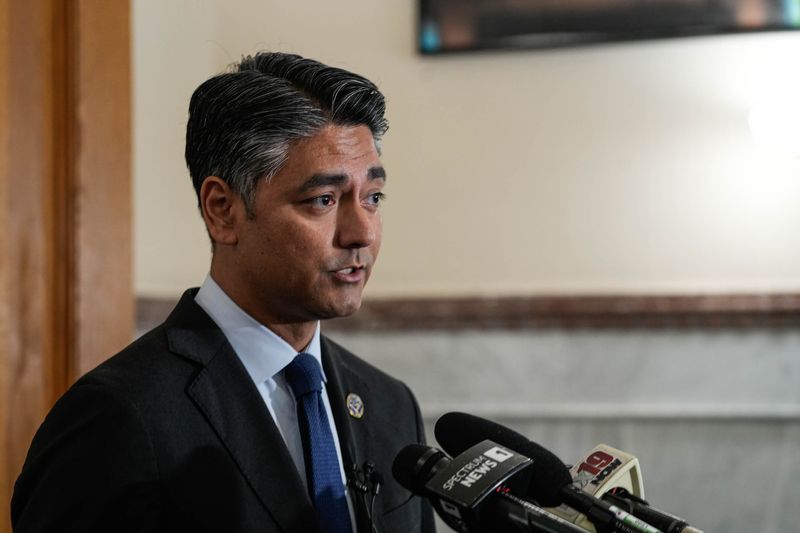
While the Farmer Music Center received $2 million, it is less than the $8 million the owner asked for and less than the $6.5 million the city manager recommended. The money will also come with caveats. Mayor Aftab Pureval, on June 17, said the city administration is currently negotiating with MEMI on a guaranteed tax return to the city from ticket sales over the next 10 years at the music venue. The $2 million won’t be given to the music venue without a guarantee, he said.
The city will also talk to MEMI about the city purchasing land around the music venue “for a potential hotel or other economic development investments,” Pureval said.
Red Bike
As of now, the city has reduced the amount it’ll give Cincinnati’s bike share program, Red Bike, from $150,000 this year to $50,000 to $52,000 next year. The money is part of a $686,000 pool that goes toward economic development and neighborhood groups. The city manager recommended $50,000 for next year for Red Bike. The mayor upped it to $52,000.
City Council will ultimately decide later this year how much Red Bike will get of that money, city officials said.
Red Bike Executive Director Doug McClintock said the cut in city money accounts for about 10% of Red Bike’s annual budget. Exactly what the $100,000 hit in city funding would mean for Red Bike, McClintock wouldn’t specify.
“That’s a chunk,” McClintock said. “That’s a big number.”
It wouldn’t result in layoffs of any of Red Bike’s 13 employees, he said. In fact, he said Red Bike is on track for one of its best years, with ridership up 50% compared to the previous year.
On June 17, McClintock pleaded with City Council to restore the $125,000 annual contribution outlined in a 2025 resolution.
City Council in Feb. 2025 passed the resolution in support of giving Red Bike $125,000 annually for Fiscal Years 2025, 2026 and 2027. In 2026, City Council exceeded that, giving Red Bike $150,000, McClintock said.
“I think the city has consistently shown that they believe in micromobility and moving people through this community in a meaningful way, and that we are a part of that math,” McClintock said.
People who want a job with the city
The city will leave many positions vacant to save $8.5 million. That makes up almost half of the $20 million in cuts to the budget.
Among the positions the city manager suggests remain vacant: a $144,470-a-year assistant to the city manager job. Positions not filled span a wide array of city departments, including the city manager’s office, the police and fire departments, public services, transportation and many others.
The city will also delay a firefighter recruit class next summer by a few months. That will save $3.3 million. Most of the savings comes from the overtime spent for firefighters to conduct the training. Overtime runs higher in the summer when more people take vacations, said Mollie Lair, spokeswoman for the city manager.
The number of employees in the fire department is expected to remain the same over the next year at about 850.
This article originally appeared on Cincinnati Enquirer: Who benefited and who didn’t in Cincinnati’s budget
Reporting by Scott Wartman, Cincinnati Enquirer / Cincinnati Enquirer
USA TODAY Network via Reuters Connect
By Scott Wartman, Cincinnati Enquirer | USA TODAY Network