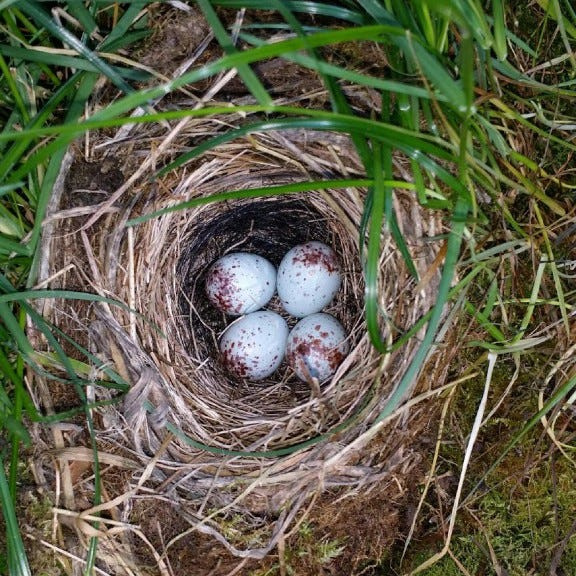
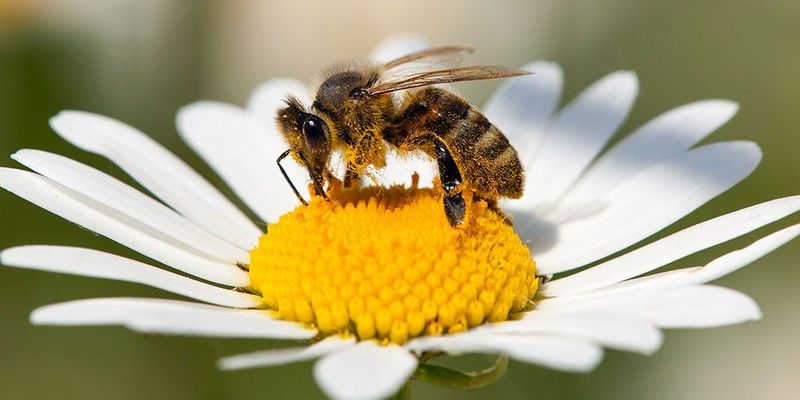
The Eastern Upper Peninsula (EUP) is home to a diverse range of species, including amphibians, black bears, furbearers, migratory birds and pollinators. For these species to survive, healthy habitat on private property is essential.
A few simple conservation initiatives can help landowners in Chippewa, Luce and Mackinac counties make significant contributions. Below are five wildlife-friendly practices suited to the EUP that are easy to implement and could make a big difference on your property:

1. Building wildlife structures and nesting habitat
For species with limited natural shelter, simple man-made features can greatly increase habitat opportunities. Brush piles, bat homes, elevated nesting platforms for osprey and waterfowl, and nest boxes for cavity nesting birds — such as wood ducks, kestrels, swallows and other migratory bird species — all offer instant advantages. Creating downed woody debris or holding onto big snags on forested areas increases the diversity of the environment for insects, small animals and amphibians. Placement is important when designing any structure: be sure to put nest boxes away from strong winds, make sure they are the right height and install predator guards where necessary.
2. Protect and enhance wetlands
Wetlands are among the most important ecosystems in the EUP, supporting migratory waterfowl, amphibians, turtles, and a broad range of plants and invertebrates. Landowners can protect these habitats by maintaining natural buffers, preventing soil disturbance and avoiding harmful drainage. Restoring altered wetlands, such as disabling old drainage tiles, stabilizing eroded banks or reestablishing native hydrology, can dramatically improve water quality and habitat availability. Even small, seasonal wetlands can offer significant wildlife value.
3. Delay mowing and haying to protect ground-nesting wildlife
The EUP has numerous bird species that nest directly on the ground, such as meadowlarks, bobolinks and some ducks. Early in the season, haying or mowing might unintentionally destroy nests and lower the success of breeding. Chicks can be given enough time to fledge if these activities are delayed as much as possible. If early mowing is required, think about leaving unmowed refuge strips, raising mower decks to avoid lower vegetation layers or try mowing from the center of your field outward. This provides wildlife a chance to escape more easily.
4. Reduce outdoor lighting to support nocturnal species
Birds, bats, insects and other nocturnal animals can all be affected by light pollution during the nighttime. For pollinators and migratory birds, simple changes like using motion-activated lights and choosing warmer-colored light bulbs can make a significant improvement. Other strategies include angling lights to face downwards, installing light deflectors or turning off excessive lighting, which can help by minimizing confusion for wildlife.
5. Plant native trees, shrubs, grasses and forbs
One of the most effective methods for improving habitat is planting and promoting native plants. Food, cover and structural diversity are provided by species like white pine, red-osier dogwood, northern white cedar, serviceberry and native warm-season grasses. Many pollinators rely on native wildflowers during the growing season. Resilience can be strengthened and year-round habitat diversity can be created by planting in clusters, along forest edges or by repairing natural openings.
This article originally appeared on The Sault News: 5 simple ways to support wildlife habitat in the Eastern Upper Peninsula
Reporting by Spencer Thompson, CTAI conservationist with the Chippewa Luce Mackinac Conservation District, Sault Ste. Marie News / The Sault News
USA TODAY Network via Reuters Connect