Tallahassee State College has unlocked a new opportunity for students to soar high in their studies – literally.
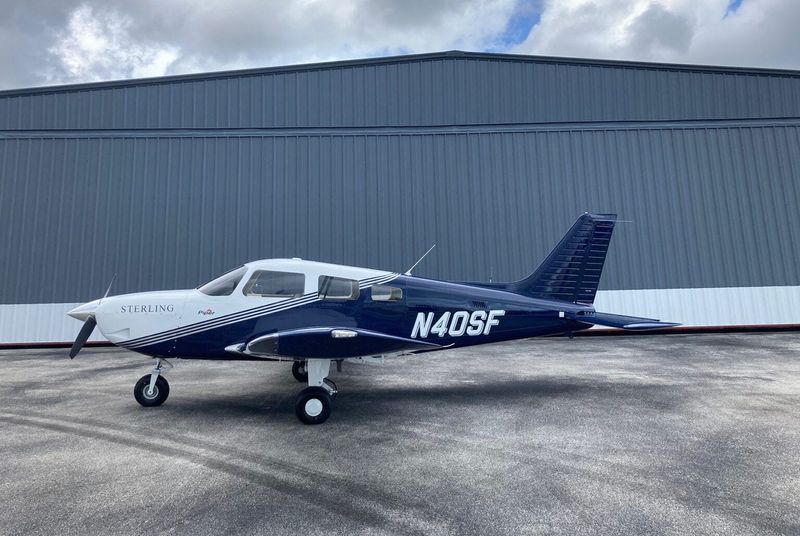
Through a partnership with Sterling Flight Training – a Florida-based pilot school with campuses in Tallahassee and Jacksonville – TSC recently launched a Professional Aeronautics Certification (PAC) program for students interested in careers as professional pilots.

At the same time, the initiative comes as an effort to address the nation’s ongoing pilot shortage. The accelerated program begins in the fall with an anticipated cohort of 12 to 15 students, and the estimated cost to become a commercial pilot – including tuition, flight fees and exam fees – is $79,903.
Although it is unclear whether Sterling or TSC are offering students direct financial aid, the flight school’s website states that many scholarships and grants are available to qualified applicants through organizations such as the Experimental Aircraft Association and the Aircraft Owners and Pilots Association.
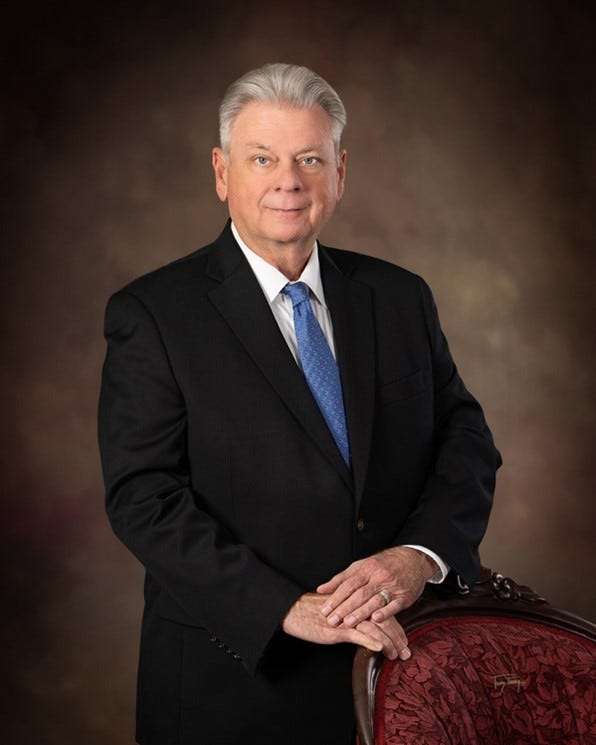
“Tallahassee State College is committed to creating innovative pathways that connect students directly to high-demand careers,” TSC President Jim Murdaugh said in a statement sent to the Tallahassee Democrat.
“Through this partnership with Sterling Flight Training, we are expanding opportunities in one of Florida’s fastest-growing industries while helping address a critical workforce need.”
Students who enroll in the PAC program can complete their commercial pilot license in 12 to 16 months. While it is structured as a part-time professional program, an accelerated full-time option is also available, where students would be able to finish in as little as six to nine months.
While the estimated cost to complete a commercial pilot license through the new program is nearly $80,000, pursuing a private pilot certification would cost $26,578, and being certified as an instrument pilot would cost about $54,000. Earning a commercial license would qualify a graduate to seek immediate employment as a licensed aviator through positions such as a certified flight instructor, a charter or cargo pilot, corporate flight crew and an aerial survey or specialized operator.
According to a “Pilot and Technician Outlook 2025-2044″ report by Boeing – a leading global aerospace company – there’s a demand in the field for 660,000 new pilots over the next 20 years.
The PAC program was designed for traditional college students who want a non-aviation degree as well as high school seniors seeking an early start in aviation, career-changing adults, and transitioning military veterans. Individuals with the commercial pilot license who work for regional airlines can earn from $80,000 to $100,000 annually, and mid-career salaries often exceed $300,000 annually, according to Sterling Flight Training.
“Aviation is one of the fastest-growing workforce sectors in the country, and this partnership allows TSC to respond quickly to industry demand while creating life-changing career opportunities for our students,” TSC’s Vice President for Workforce Development Shelly Bell said in a prepared statement.
With the PAC program, TSC students will be able to receive ground school instruction on the college’s campus as well as hands-on flight training at Sterling Flight Training, located at the Bobby Bowden Tallahassee International Airport. The school has been operating in Tallahassee since January 2024.
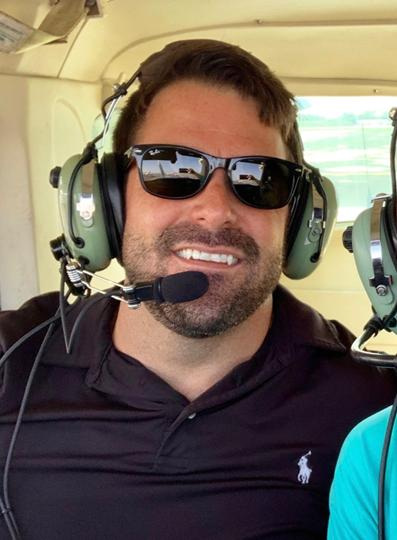
Chris Johnson – a former professor at Embry-Riddle Aeronautical University – serves as the program’s manager. He is also an Air Force veteran, a commercial pilot and a certified flight instructor. TSC anticipates hiring a faculty member for the in-classroom portion of the program, according to a TSC spokesperson, and Sterling will provide flight instructors.
Sterling is responsible for student recruitment, enrollment coordination and covering equipment and materials. Instead of TSC paying Sterling to operate the new program, the pilot school remits a fixed payment to the college per cohort after each course is completed. With the amount being based on enrollment levels TSC could earn at least $50,400 per cohort if at least 12 students are enrolled as anticipated.
Components of the program include classroom learning, simulator training, one-on-one flight instruction and aircraft-based flight time for students to earn 250 to 300 flight hours.
But the PAC program is not like traditional collegiate aviation programs, which usually end with students earning a degree. Instead, TSC’s program is non-degreed as it puts a focus on the Federal Aviation Administration (FAA) certifications required for employment as a professional pilot. The approach does not put a limit on what types of aircraft a pilot can fly.
“Professional pilots get paid for their FAA licenses, not their degrees, so we chose to cut out the aviation-related degree that many other colleges offer,” Johnson said in a prepared statement.
To apply to the PAC program, applicants must:
For more information about the program, visit the Sterling Flight Training school’s website at https://sterlingflight.com/.
Tarah Jean is the higher education reporter for the Tallahassee Democrat, a member of the USA TODAY Network – Florida. She can be reached at tjean@tallahassee.com. Follow her on X: @tarahjean_.
This article originally appeared on Tallahassee Democrat: TSC launches new aeronautics certificate program for aspiring pilots
Reporting by Tarah Jean, Tallahassee Democrat / Tallahassee Democrat
USA TODAY Network via Reuters Connect