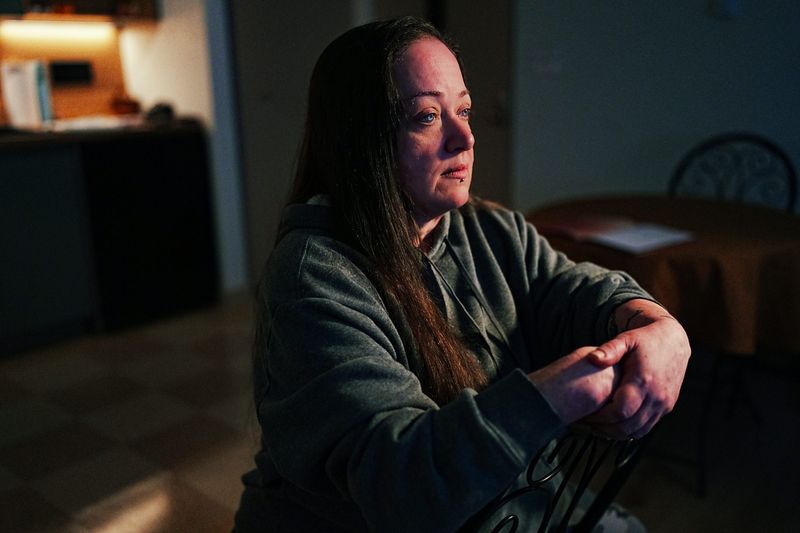
Charlotte Nozar was outraged at how a Milwaukee police officer treated her after she reported being attacked and raped by a stranger.
The officer asked her pointed and repeated questions about the assault, including how a suspect as tall as she described could have penetrated someone as short as her.

“He made me feel, from beginning to end, that he did not believe me,” Nozar told the Milwaukee Journal Sentinel.
The 54-year-old traveling nurse gave permission for the Journal Sentinel to access her case file and associated video evidence through a public records request.
The news organization showed the material to several outside experts, who came to the same conclusion: The officer appeared to violate Nozar’s rights as a crime victim and to go against the Milwaukee Police Department’s own policies for investigating sexual assault.
Here’s what to know about the case.
What happened to Charlotte Nozar?
Nozar was raped on Dec. 18, 2024, in the elevator of her apartment building on West Wisconsin Avenue.
Within weeks, police arrested a 16-year-old suspect who had previously been adjudicated delinquent, or found guilty, of prior sexual assaults.
Nozar successfully fought for the teen to be tried in adult court, where he eventually pleaded guilty and was sentenced to 35 years in prison.
How did a first-responding officer treat Nozar?
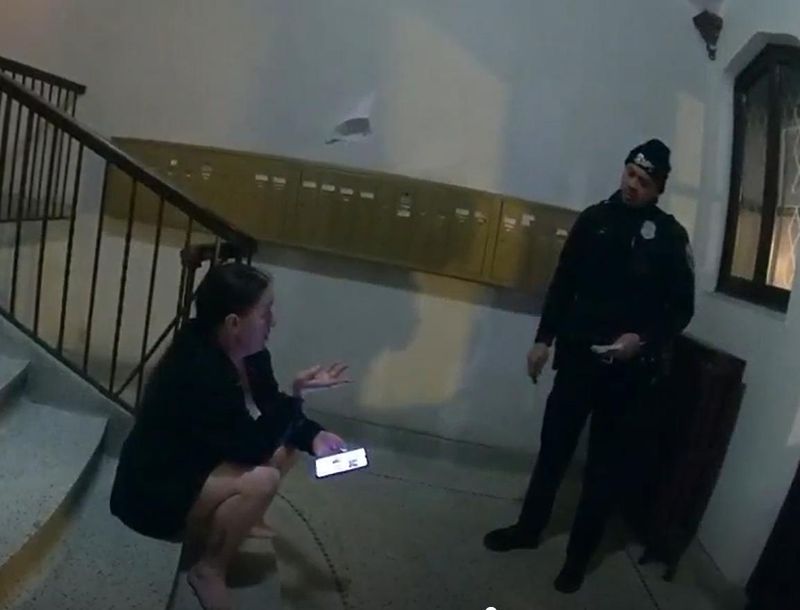
According to body camera footage, one of the first-responding officers, Nicolas Ornelas, asked Nozar detailed and repeated questions, including how a suspect who was much taller than her could have raped her.
“I’m trying to get an image in my head how physically it’s possible for someone who’s tall, you know, to insert a penis in you,” Ornelas said, according to the body camera video.
The officer also asked if she had ever reported a sexual assault before, questioned how she had been raped while wearing shorts, and asked why she had tried to contact several friends before calling police.
What concerns did the outside experts identify with the investigation?
The Journal Sentinel asked three experts who provide training to law enforcement to review the materials and the Milwaukee Police Department’s standard operating procedure for investigating sexual assaults:
All three experts said Nozar’s crime victim rights likely were violated, as was department policy.
Ornelas’s questions were “victim-blaming” and “overly probing,” and the officer did not treat Nozar with dignity, the experts said.
In addition, the experts identified the following missteps in the initial response:
What is Milwaukee police policy on investigating sexual assaults?
The Milwaukee Police Department has a detailed standard operating procedure for investigating sexual assault.
The policy states, among other things, that victims should be treated with “compassion, respect, empathy and patience.”
“Trauma from crime victimization may complicate a victim’s participation in any investigation, including sexual assaults,” the policy says.
It also states it is “essential” that these cases be handled with a “non-judgmental perspective” to avoid signaling that the victim is to blame for the crime.
What happened to the officer?
In a meeting with the officer, a victim advocate and two captains, Nozar requested Ornelas undergo intensive retraining and have a letter placed in his file.
That did not happen, according to police records.
The Police Department had not undertaken any review of Nozar’s treatment, saying she did not file a formal complaint, “nor was any misconduct identified internally that warranted an investigation into Officer Ornelas,” according to a department statement issued in April.
After learning of that response, Nozar filed official complaints this month with the department and the civilian oversight board.
The department declined to make Ornelas available for an interview. The officer was hired in 2022 and has no disciplinary record, according to public records released in February.
Why does it matter how victims are treated?
There’s a foundational reason beyond common courtesy to treat victims with dignity and respect.
It makes everyone safer.
The teen who raped Nozar was a violent, repeat offender. Without Nozar coming forward and sticking with the case, he could have remained free to hurt more people, the experts said.
“When we don’t treat victims with dignity and respect and they’re not able to continue in the system, the community is less safe,” said Strand, the retired federal agent.
Milwaukee’s own policy even says it directly: “Greater victim support results in greater offender accountability.”
This article originally appeared on Milwaukee Journal Sentinel: What went wrong when a Milwaukee officer questioned a rape victim
Reporting by Ashley Luthern, Milwaukee Journal Sentinel / Milwaukee Journal Sentinel
USA TODAY Network via Reuters Connect