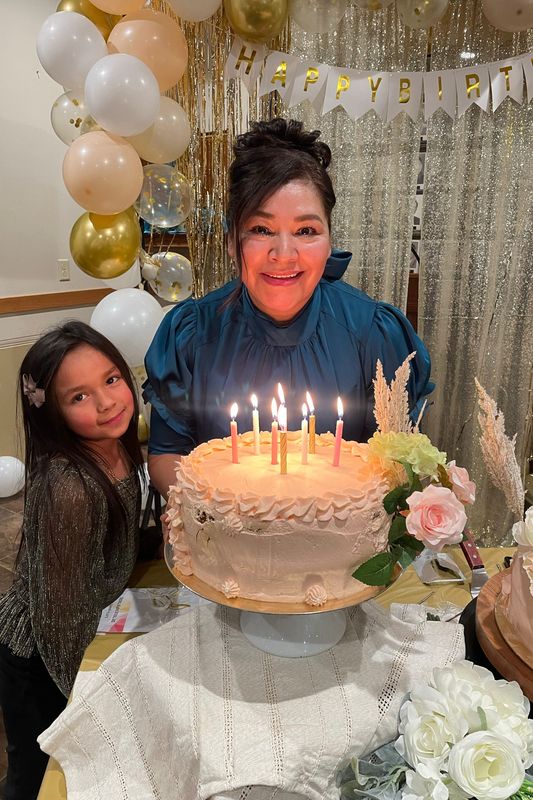
SHEBOYGAN FALLS – A Sheboygan Falls woman will remain in ICE custody for the foreseeable future after a federal judge decided he wanted additional information regarding her request for immediate release from detention.
U.S. District Judge Chad Meredith did not come to a decision in Elvira Benitez-Suarez’s habeas corpus petition after an hour-and-a-half hearing in the district court in eastern Kentucky on May 6. Instead, he asked for additional briefs to be filed by May 15, delaying the case’s outcome and Benitez-Suarez’s possible release, according to Marc Christopher, an immigration lawyer based in Milwaukee.

What a habeas corpus petition means in immigration detention cases
A habeas corpus petition argues in federal court that a person’s detention is illegal and the judge should release them from custody. These habeas petitions must be filed in the area someone is being held, by an attorney licensed to practice in that area.
Why Elvira Benitez-Suarez is still in ICE custody after an immigration judge order
Christopher and Ohio-based immigration lawyer Nazly Mamedova appeared on behalf of Benitez-Suarez, 51. She has been held at the Campbell County Detention Center in northern Kentucky for nearly two months, even after an immigration judge ruled she shouldn’t be in custody. She was re-detained after a check-in meeting in Milwaukee on March 10.
Benitez-Suarez is a mother of four U.S. citizen children and has lived in Wisconsin for 35 years after fleeing sexual assault and domestic violence in Mexico when she was 15 years old. Benitez-Suarez has no criminal record.
How a GPS mistake near the U.S.-Canada border led to the case
The check-in meeting in March was in relation to Benitez-Suarez’s immigration case, which stemmed from accidentally crossing the United States-Canadian border because of a GPS issue on a road trip with her family last summer. They were headed to Niagara Falls.
Benitez-Suarez was in immigration detention in Ohio for about six months before an immigration judge determined deportation would cause exceptional harm to her children, two of whom are school-aged. She was released from custody and was granted a green card, or legal permanent residency, but the federal government appealed that judge’s decision.
Lawyers argue Benitez-Suarez is not a flight risk and detention violates due process
Mamedova previously told the Sheboygan Press that Benitez-Suarez doesn’t fall under mandatory detention rules because she’s not a threat or a flight risk, and should be immediately released.
She also said that ICE violated Benitez-Suarez’s due process rights when she taken into ICE custody in Milwaukee because the agency didn’t provide notice of why Benitez-Suarez was being detained or give her an opportunity to rebuttal that she’s not a flight risk or danger to the community.
She said the federal court hearing Benitez-Suarez’s case has a reputation of denying habeas petitions. But she felt Benitez-Suarez’s case was fairly unique to the other individuals she has represented in habeas petitions because ICE arrested her after a judge already ruled she shouldn’t be detained.
What the federal judge asked about ICE authority during the appeals process
At the hearing in Kentucky, Christopher said the judge was primarily focused on if the federal government has authority to detain Benitez-Suarez during the appeals process of her first immigration case because she has not yet obtained legal permanent residency.
Christopher said the judge wanted to see statutory reasoning, but because Benitez-Suarez’s case is so unique, they will likely have to find analogous cases to reference.
The question of the federal government’s authority to keep immigrants in detention as their cases proceed has become central to habeas petitions amid President Donald Trump administration’s escalated immigration enforcement. Historically, immigrants would have been released immediately or on bond as they awaited a hearing with an immigration judge.
Two Wisconsin attorneys previously told the Milwaukee Journal Sentinel that some of their habeas corpus clients were arrested by ICE after going to traffic court to pay a ticket, or at a scheduled ICE check-in. They were held at a local jail or at the Dodge County Detention Center in Juneau and would have been there until their scheduled immigration hearing if they hadn’t won their habeas cases, she said.
Christopher said they offered to dismiss Benitez-Saurez’s habeas petition if the federal government would grant her an electronic monitor, so she could remain at home during the appeal process. He said that offer was rejected.
Benitez-Suarez’s family, who traveled to Kentucky for the hearing, hoped she’d be released from the detention center to come home.
The U.S. Attorney’s Office in Kentucky involved in this case has not responded to a request for comment.
Federal judge likely to decide after briefs are filed May 15
Christopher said the federal judge could call another hearing, but he is likely to make a decision on Benitez-Suarez’s habeas petition after the briefs are filed.
Habeas petitions rise as more immigrants are held in ICE detention nationwide
Federal courts have seen a massive rise in habeas filings as the Trump administration holds more immigrants in custody than before, including people without criminal records who, under prior administrations, would’ve been released, monitored and asked to check in regularly while their cases were pending.
Immigrants filed more of these challenges to detention in the first 13 months of Trump’s second term than in the past three administrations combined, ProPublica found. It found more than 200 cases were being filed each day nationwide.
Hotspot districts in Texas and California have each seen roughly 4,000 habeas filings since Trump took office.
The Eastern District of Kentucky has seen 135 habeas petitions since January 2025, according to data from ProPublica.
The Eastern District of Wisconsin, in contrast, has been quieter, with 41 cases in the same time frame. ICE agents may transport immigrants arrested in Wisconsin to other states for detention, as Benitez-Suarez was. That’s also the case for Milwaukee mosque president Salah Sarsour, who remains detained by ICE in Clay County, Indiana.
Wisconsin lawyer Elisabeth Lambert told the Milwaukee Journal Sentinel she is seeing federal judges in Wisconsin “overwhelmingly” ruling in immigrants’ favor, an apparent difference from the Eastern District of Kentucky, per Mamedova.
Sophie Carson is a general assignment reporter who reports on religion and faith, immigrants and refugees and more. Contact her at scarson@gannett.com or 920-323-5758.
Contact Alex Garner at 224-374-2332 or agarner@usatodayco.com.
This article originally appeared on Sheboygan Press: Federal judge pauses habeas bid for Sheboygan Falls woman in ICE custody
Reporting by Alex Garner and Sophie Carson, Sheboygan Press / Sheboygan Press
USA TODAY Network via Reuters Connect