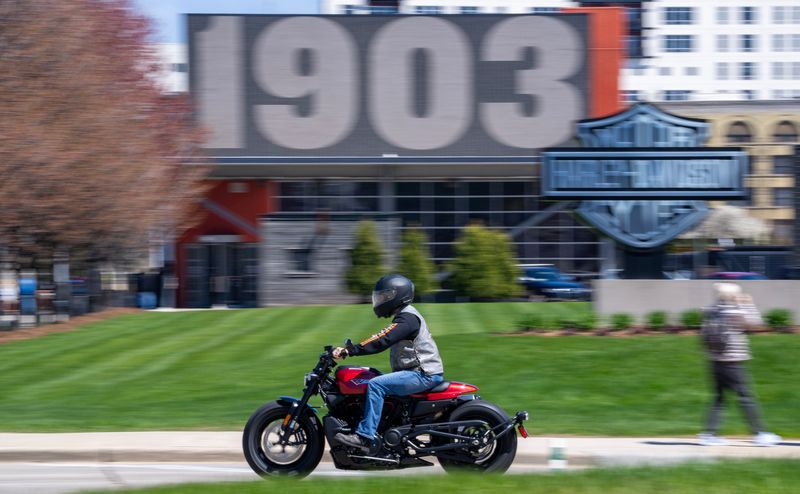
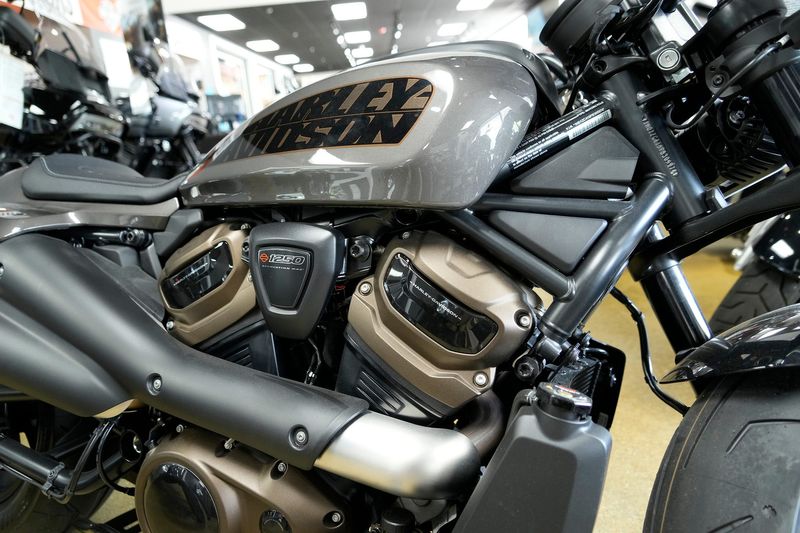
Harley-Davidson Inc. has mapped its path to growth, which executives hope customers will ride with the company.
Harley-Davidson on May 5 reported a first quarter profit of $25 million, a sharp decline from the year-earlier quarter.

However, the Milwaukee-based motorcycle maker believes it’s found the right growth strategy it calls “back to bricks.”
The plan’s two main components are dealerships and affordability.
The company in recent years has “leaned heavily in touring and electric” models, CEO Artie Starrs said on a May 5 call with analysts and investors
Harley-Davidson is shifting to a more “rider-centric portfolio, one that is more accessible, more customizable and better aligned to the needs of the full spectrum of our riders,” said Starrs, who in October succeeded Jochen Zeitz.
The company in 2026 plans to roll out the Sprint model, a more affordable bike with a price of around $6,000.
“This lightweight, customizable and accessible motorcycle provides a great entry to the brand for many riders. We’re excited to be returning to a space that we haven’t been since the 1960s,” Starrs said.
And, in 2027, the company is bringing back the Sportster model.
The Sportster was discontinued in 2022 but riders kept buying the used models. Harley-Davidson plans to bring it back at a price of roughly $10,000.
“This has been the most requested motorcycle from both our riders and our dealers,” Starrs said. “Sportster has historically been a middleweight, highly customizable motorcycle with an air-cooled power trade, an accessible price point making it an important entry to the Harley-Davidson brand.”
The Sportster is an important part of Harley-Davidson’s turnaround plan as it provides dealers opportunities to become more profitable.
One analyst on the call said Harley-Davidson’s demographic challenge is the key issue.
“When I look at the demographics, how young people have always entered our brand… it has been motorcycles like the Sportster and over the last 30 or 40 years, the Sportster has been a critical entry point to the brand,” Starrs said.
“The second motorcycle is the Sprint,” he said. “We have not had a motorcycle like the Sprint in some time.
“We see it filling an important need in the Riding Academy” which provides motorcycle lessons, Starrs said.
Starrs, who learned to ride before taking the CEO role, said learning to ride a motorcycle and then buying that bike “is a gap in our current portfolio.”
“We’re extremely enthusiastic about what the Sprint is going to do,” Starrs said.
Parts of strategy already in effect
Harley-Davidson is currently reducing inventory, strengthening dealership relationships, and rolling out the “ride” branding focusing on joyful experiences on a bike.
Starrs said the company expects to have $150 million in cost savings in the coming years compared to 2025. It has reduced inventory by 22% and global motorcycle sales are up 8% in 2026.
“I firmly believe this company will only go as far as our dealers take us,” Starrs said.
“Since joining, I’ve spent a significant amount of time with dealers, along with the broader leadership team, listening and learning directly form them on the ground,” he said. “Our focus is on earning their trust and ensuring they’re confident about the path forward.”
Beginning in 2027, Harley-Davidson plans to have a more expanded and balanced portfolio, a more targeted promotional approach, and more customer engagement as bikes become more affordable.
“This includes greater participation in the used motorcycle ecosystem, as well as further driving-adjacent areas like apparel and licensing,” Starrs said.
It’s all about the dealerships
The frontline face of Harley-Davidson in communities are the dealerships – which cultivate community and promote the products and brand, Starrs said.
The company is going to be focused on the health of dealerships and “the culture of riding.”
“For them, riding isn’t just about getting somewhere, it’s about the experience itself. The ride is the destination,” Starrs said.
“By aligning Harley-Davidson and dealer economics, we can create more value for riders, stronger profitability for dealers and more dependable cash flow for shareholders,” he said.
This article originally appeared on Milwaukee Journal Sentinel: Harley-Davidson’s plan for growth: focus on dealerships, affordability
Reporting by Ricardo Torres, Milwaukee Journal Sentinel / Milwaukee Journal Sentinel
USA TODAY Network via Reuters Connect