Wildlife officials said the recent death of a mountain lion attempting to cross State Route 62 in San Bernardino County adds renewed urgency to a state-funded project led by the Mojave Desert Land Trust.
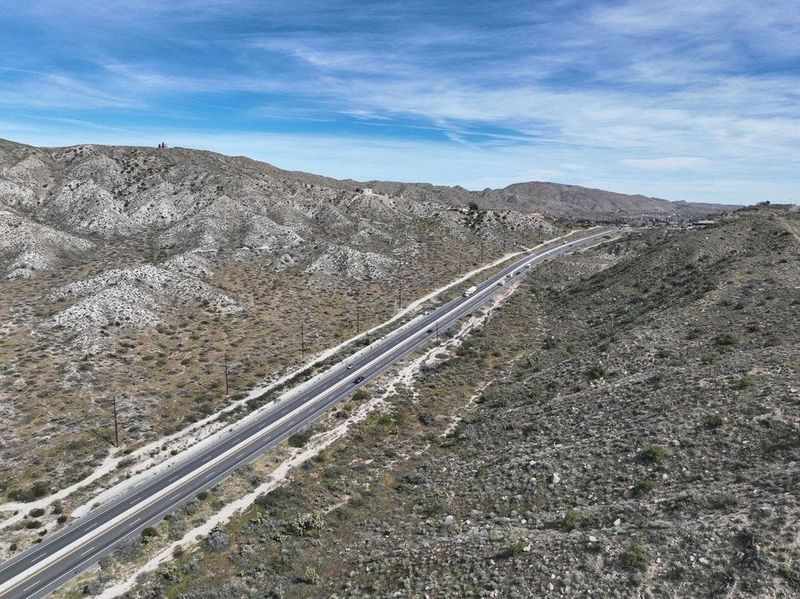
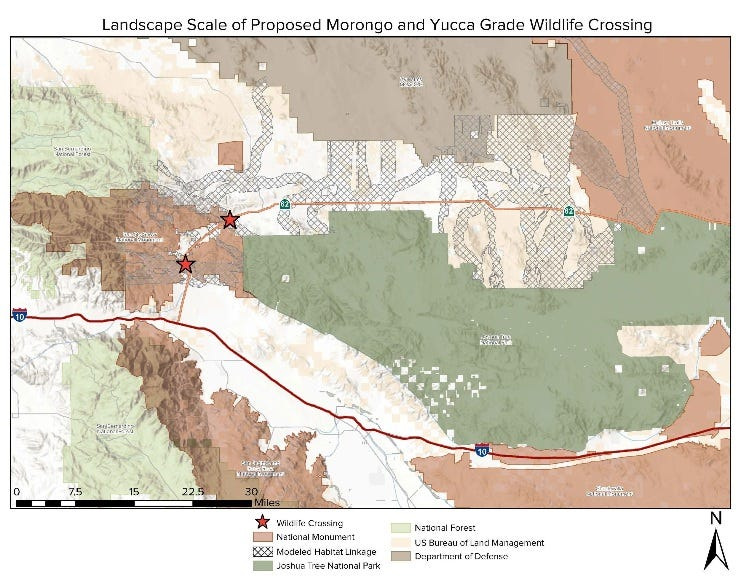
The project includes the design and construction of two wildlife crossings over the busy state route in the Mojave Desert, which connects Yucca Valley with North Palm Springs, land trust officials stated.

Mountain lion killed
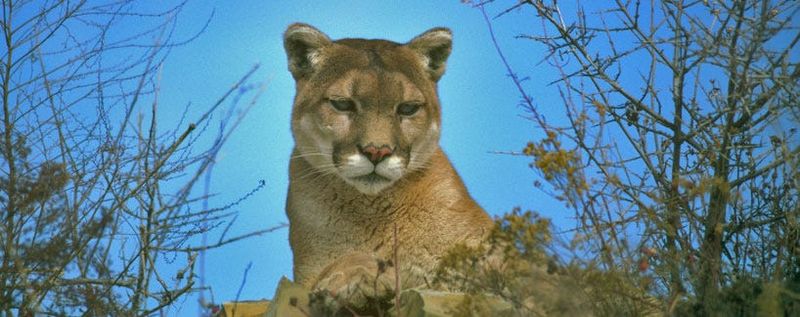
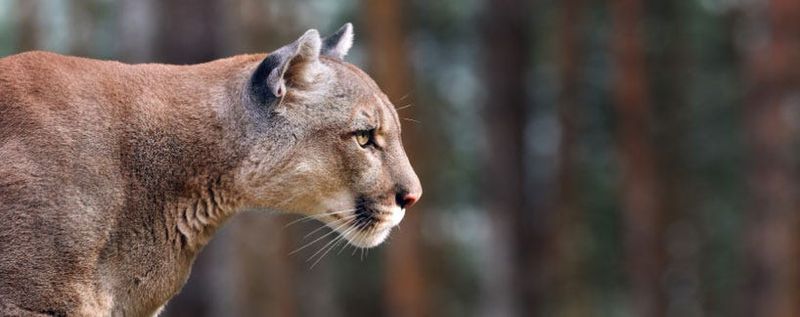
California Department of Fish and Wildlife officials determined the mountain lion was an approximately 18-month-old male lion that was healthy.
“The lion was struck by a vehicle while moving from the San Bernardino Mountains side of the highway towards Joshua Tree National Park,” land trust officials stated. “The collision happened on the Yucca Grade near one of the proposed wildlife crossings.”
The lion was part of the San Gabriel-San Bernardino Mountains population that was listed in February as a Threatened Evolutionarily Significant Unit under the California Endangered Species Act.
Mountain lion population ‘precariously low’
Mojave Desert Land Trust Executive Director Kelly Herbinson said that the mountain lion population is already at “precariously low” numbers and that the loss of another potential breeding animal is significant.
“The death underscores the urgent need to complete the planning of these wildlife crossings so we can help re-establish the natural movement of animals across the land, reduce dangerous wildlife-vehicle collisions, and strengthen the health of the ecosystems that sustain us,” Herbinson said.
In the last 20 years, Joshua Tree National Park has documented mountain lion activity in numerous locations, with the most frequent being in the vicinity of the proposed wildlife crossings. But the population may be suffering from the effects of inbreeding depression, with some showing physical signs such as kinked tails.
The land trust claims the loss of mountain lions could trigger a trophic cascade, a phenomenon where the removal of a top predator causes increases in prey populations, leading to dramatic changes in ecosystem structure. For example, in Yellowstone National Park, the removal of the wolf resulted in intense overgrazing by elk, leading to riverbank erosion and the loss of beavers, land trust officials said.
Wildlife crossing grant
In February, California’s Wildlife Conservation Board awarded the Mojave Desert Land Trust with $5.5 million in grant funding for the planning phase of the wildlife crossings.
“This is an investment in solutions that not only protect wildlife but support safer roads and more resilient communities that exist within, not apart from, nature,” Herbinson said.
State Route 62 runs from Coachella Valley to the Arizona border, with the proposed crossings on the west end of the roadway designed to provide safe passage for numerous wildlife species and benefit local residents by reducing wildlife-vehicle collisions.
The grant funding will bring two proposed crossing projects to 65% design completion, setting the stage for implementation.
The three-year grant will include the technical studies and engineering work needed to design the crossing structures, the development of plans to encourage their use by wildlife and the required environmental review.
Increase traffic, increase animal deaths
Over the last decade, traffic on the highway has increased alongside population growth in the Morongo Basin and a threefold increase in visitation to Joshua Tree National Park, land trust officials stated.
The two overpasses were designed for critical points at the Morongo and Yucca grades on SR-62, where multiple wildlife deaths were documented in one year, including mountain lion, black bear, deer and bighorn sheep.
The proposed crossings will have an earthen base and be vegetated with native plants found in the adjacent natural areas. Directional wildlife fencing will be placed on each side of the highway as well as measures to address light and noise from the highway.
Before SR-62 was built, there was seamless 95-mile-long habitat connectivity between the San Bernardino and Little San Bernardino mountain ranges, extending from the Interstate-10 south of Joshua Tree National Park to Interstate-15 near the Cajon Pass.
The Mojave Desert Land Trust protects land on either side of the highway in a strategic wildlife corridor that connects Joshua Tree National Park to Sand to Snow National Monument, San Gorgonio Wilderness, and San Bernardino National Forest.
A 2021 Morongo Pass Wildlife Connectivity Study by Dudek and the UC Davis Road Ecology Center recommended the construction of two SR-62 overpasses at the Morongo Grade and the Yucca Grade, where a safety barrier hinders wildlife movement.
The Morongo Grade and Yucca Grade overpasses will provide for climate change resilience by enabling flora and fauna to move up in elevation to cooler, wetter areas and north in latitude in response to a warming climate and more frequent droughts. It also improves wildlife’s ability to survive and repopulate an area after events like fires and floods.
Daily Press reporter Rene Ray De La Cruz may be reached at RDeLaCruz@VVDailyPress.com. Follow him on X @DP_ReneDeLaCruz
This article originally appeared on Victorville Daily Press: Mountain lion death stresses need for Mojave Desert wildlife crossings
Reporting by Rene Ray De La Cruz, Victorville Daily Press / Victorville Daily Press
USA TODAY Network via Reuters Connect