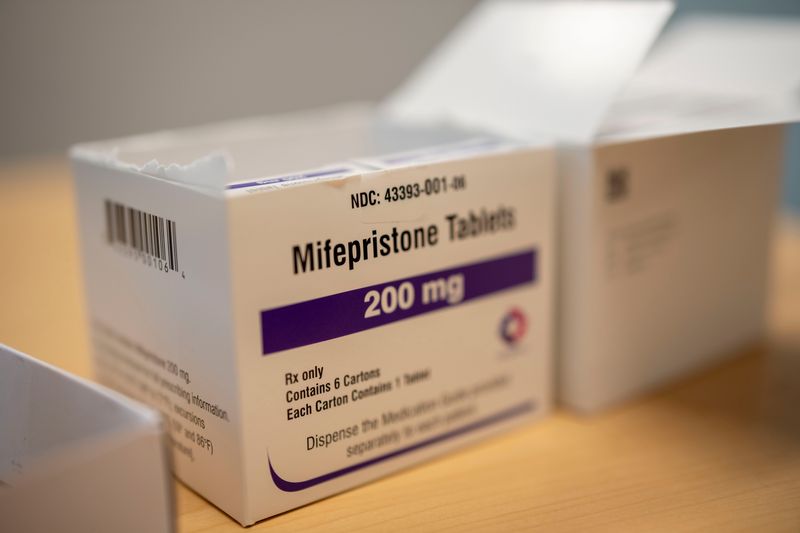
New Yorkers are facing reproductive care uncertainties as the U.S. Supreme Court weighs blocking access to one of two abortion pills through the mail.
On Friday, May 1, a federal appeals court in Louisiana reinstated the in-person dispensing requirement for abortion drug mifepristone that was eliminated in 2023, saying in part that “the policy now facilitates nearly 1,000 illegal abortions in Louisiana per month.” But three days later, the U.S. Supreme Court temporarily paused the decision to allow the justices more time to consider the issue.

“This shouldn’t be temporary,” New York Gov. Kathy Hochul said about the latest action in an X post on Monday, May 4. “The Supreme Court must protect access to Mifepristone permanently.”
Here’s the latest.
What is mifepristone?
Mifepristone is used with misoprostol to end a pregnancy that is less than 70 days developed. The drug was first authorized by the U.S. Food and Drug Administration in 2000, and the combination of both mifepristone and misoprostol accounts for over half of the abortions in the country, USA TODAY reported.
The drugs’ use also increased exponentially after Roe v. Wade was overturned in 2022 as well as the FDA’s decision to allow it to be dispersed by mail in 2023.
What decision means for New York
The appellate court judges made their decision based on the argument that access by mail “injures Louisiana by undermining its laws protecting unborn human life and also by causing it to spend Medicaid funds on emergency care for women harmed by mifepristone.”
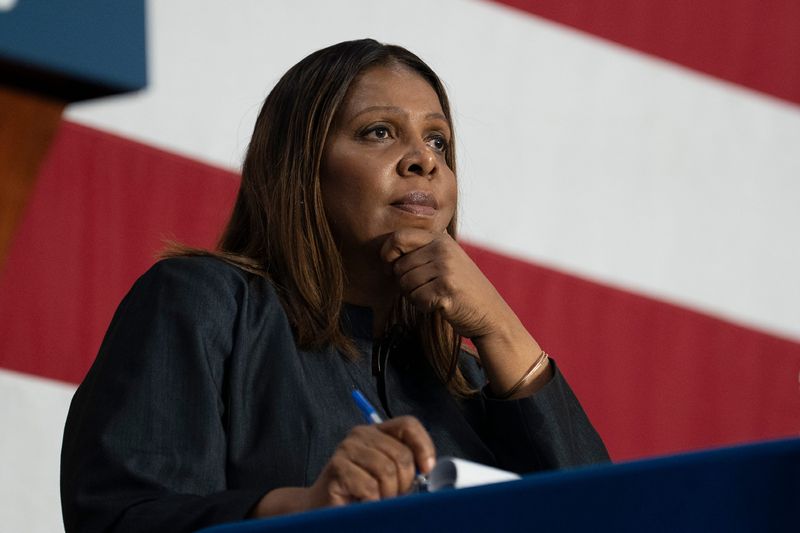
An amicus brief filed by New York Attorney General Letitia James and 21 other attorneys general on Monday, May 4, says the decision would force individuals to rely on more difficult alternatives or travel for in-person care.
“Forcing patients to obtain mifepristone in person will not make anyone safer, and it will not stop people from needing abortions,” James said. “Every unnecessary restriction on abortion care has a human cost … The Supreme Court must follow the science and stop the dangerous rollback of reproductive freedom.”
Specifically, in New York, where abortions are legal and protected, James says the ruling would disrupt care, especially in rural and underserved communities. Additional strain would be put on clinics and health care systems as a result, which have seen increased demand both from in-state and out-of-state patients since Roe v. Wade was overturned.
Abortion care access could also be affected as well as access to other health services such as prenatal care, family planning, cancer screenings and testing and treatment for sexually transmitted infections, the brief outlines.
Additionally, the brief challenges the courts’ override of state policy choices, saying they can’t do so by leveraging medically unnecessary federal drug regulations or “impose unnecessary barriers to care in states where abortion is legal.”
“The science is clear: Mifepristone is a safe and effective form of abortion medication, and the court’s decision to restrict access will only serve to make women and the providers they rely on less safe,” Hochul said in a written statement on Saturday, May 2.
“At a time when reproductive freedoms are under attack across our country, New York will continue to be a safe harbor for anyone providing or receiving this vital care,” the governor added.
According to the Supreme Court, the decision blocking mail order access to the abortion pill is paused until May 11.
James’ office has also been involved in court battles over New York’s so-called shield law, which seeks to protect providers and patients by preventing state and local officials from helping out-of-state prosecutions for abortion or gender-affirming care.
Contributing: USA TODAY
Emily Barnes covers state government for the USA TODAY Network-New York with a focus on how policy and laws impact New Yorkers’ taxes, communities and jobs. Follow her on Instagram or X @byemilybarnes. Get in touch at ebarnes@usatodayco.com.
This article originally appeared on Rockland/Westchester Journal News: How the court battle over mail-order abortion pill access impacts NY
Reporting by Emily Barnes, New York State Team / Rockland/Westchester Journal News
USA TODAY Network via Reuters Connect