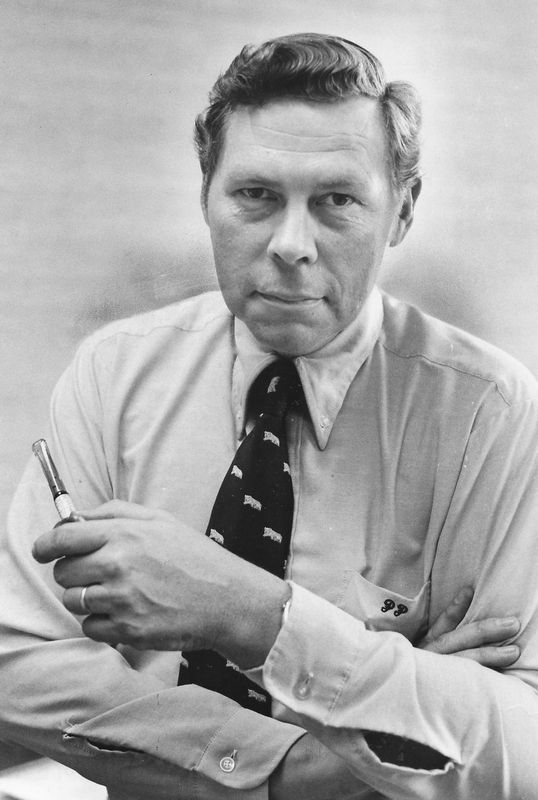
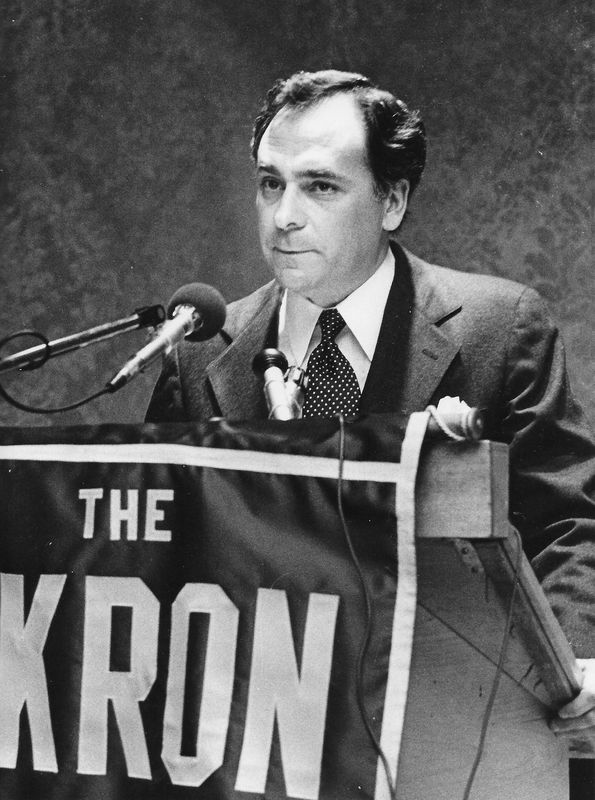
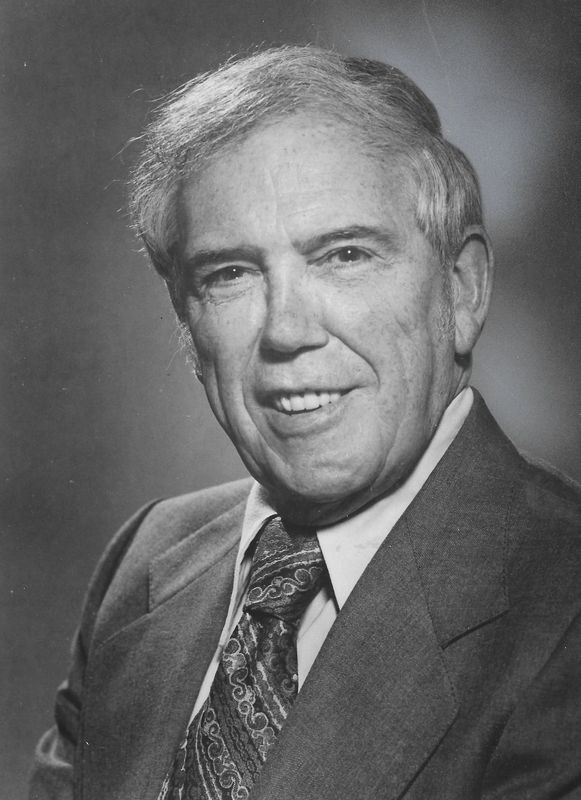
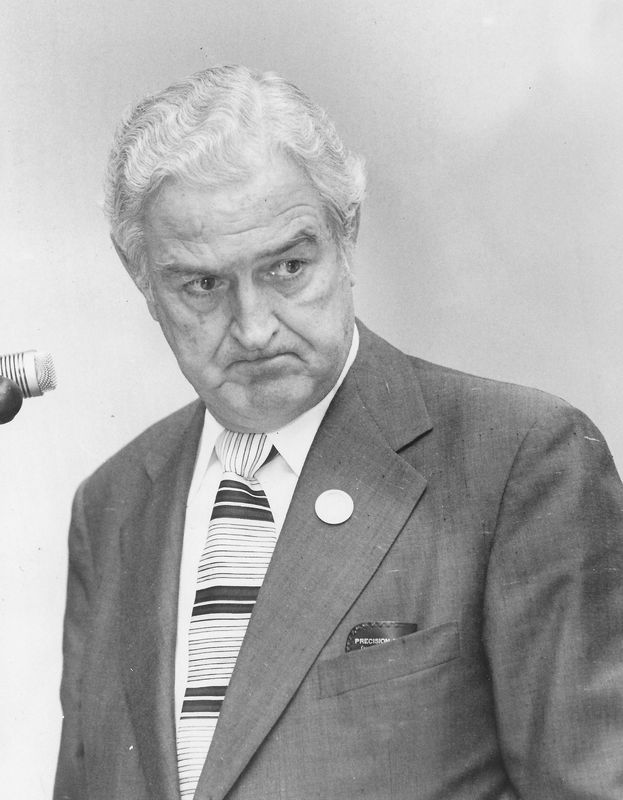
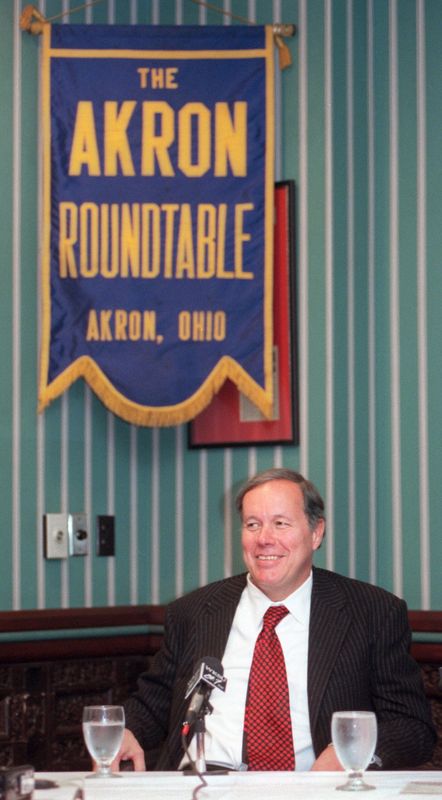
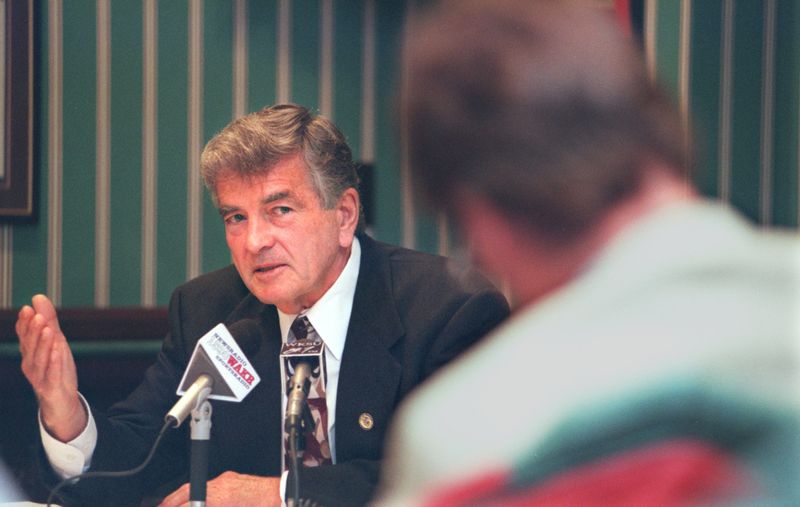
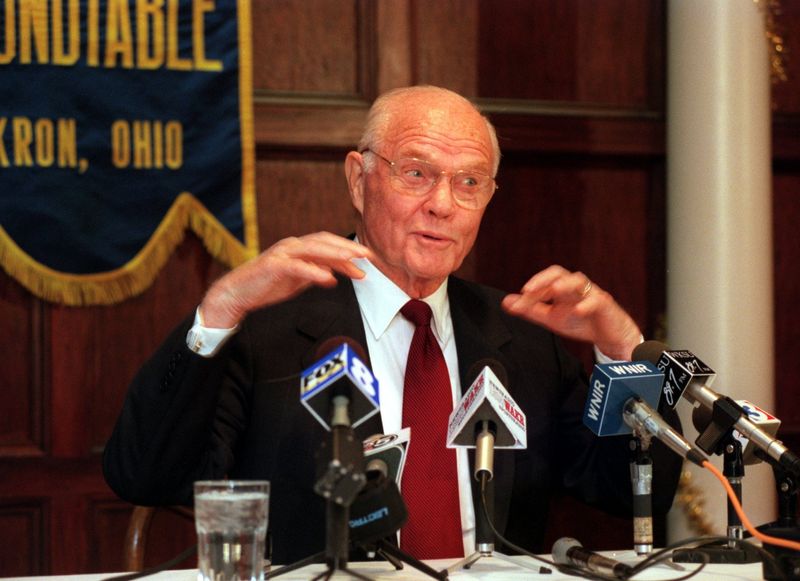
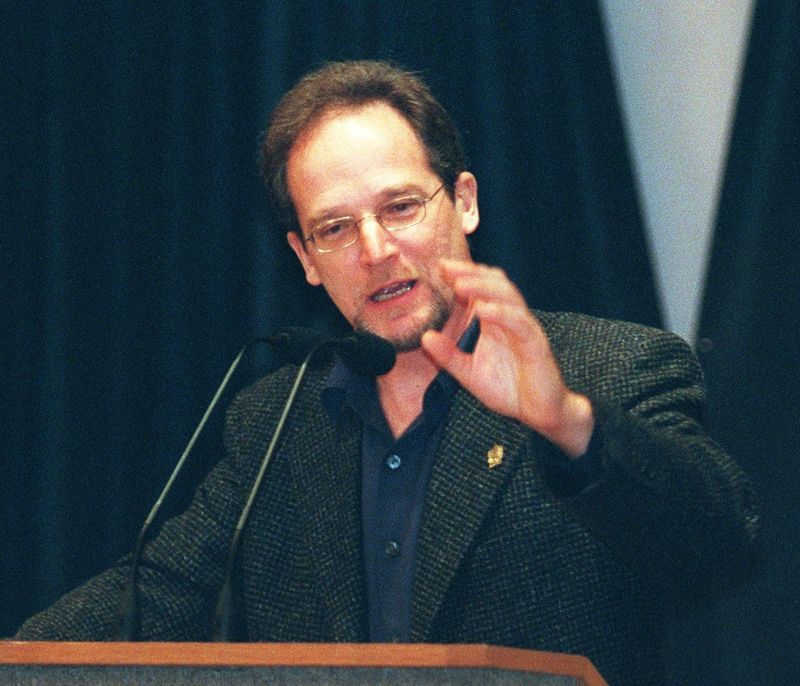
The Akron Roundtable has been the talk of the town for 50 years.
The speaker series began in May 1976 as an outgrowth of Kiwanis Club’s monthly public affairs forum. The Akron Beacon Journal and Akron Regional Development Board (now Greater Akron Chamber) co-founded the program with Kiwanis.

Ohio Supreme Court Justice C. William O’Neill was the first speaker May 5, 1976, when the series was called the Akron Public Affairs Forum. Rebranded as the Rubber City Roundtable in 1977, the forum changed its name to the Akron Roundtable in 1978.
Audiences have heard just about everything since the program began.
Business executives, government officials, sports figures, religious leaders, military experts, famous writers, nonprofit directors and other authorities have served as speakers.
“The Contemplative Sun,” a cast aluminum sculpture by Akron artist Don Drumm, has been presented to each guest since 1980.
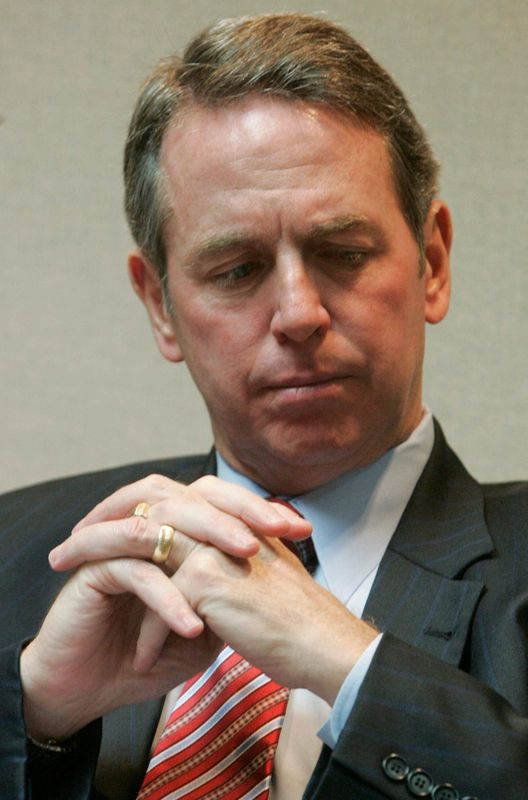
Daryl Tol, president and chief executive officer of HATCo and acting president and CEO of Summa Health, will be the next speaker. His presentation titled “The Future of Healthcare” is scheduled for noon May 21 at Quaker Station, 135 S. Broadway. Reservations, $30, include lunch. Go to https://www.akronroundtable.org/speakers/
Quotes at Akron Roundtable
In honor of the Akron Roundtable’s 50th anniversary, we’ve excerpted some interesting, inspiring, humorous and occasionally ironic quotations from speakers since 1976.
Here’s what they had to say in Akron:
Herbert S. Richey, chairman of the U.S. Chamber of Commerce, June 2, 1976: “Those of us who now enjoy a high standard of living owe it directly to an efficient, energy-intensive economy. And the continued expansion of such an economy is the only hope for those who aspire to a better life — both here and abroad.”
Paul A. Poorman, Akron Beacon Journal editor, Sept. 16, 1976: “People do other things than read newspapers.”
Dr. W. Gerald Austen, president-elect of the American Heart Association, Nov. 10, 1977: “People who smoke one pack a day are twice as likely to have a heart attack as those who don’t smoke and five times as likely to have a stroke. But within a year of quitting, an ex-smoker will have the same statistical chances for good health as nonsmokers.”
John D. Backe, president of CBS-TV, March 9, 1978: “We need to shake up Americans. The system has arthritis. Farmers can’t make ends meet, the economy is sluggish and we’re becoming too dependent on foreign nations. There’s less competition, less productivity, higher prices and not enough new jobs.”
Douglas A. Fraser, president of the United Auto Workers, July 20, 1978: “I think it is only a matter of time before the Southern people are asking themselves ‘Why should I be discriminated against?’ by working for lower wages and in worse conditions than people up north.”
John B. Connally, former Texas governor, Sept. 14, 1978: “If you leave one thin dime lying around, a politician is going to spend it.”
F.G. “Buck” Rodgers, IBM vice president of marketing, May 10, 1979: “Computers should amplify man’s intelligence, not retard it.”
Walter J. McNerney, president of Blue Cross and Blue Shield, Feb. 14, 1980: “National health insurance is an evolutionary idea which we have an opportunity to shape. Now is the time to turn inward and take a look at what we need instead of comparing our needs to systems other countries have developed.”
John W. Galbreath, developer and Pittsburgh Pirates owner, Sept. 18, 1980: “I talk to a lot of high school kids and college kids. They’re different than they were 10 years ago. They wanted to tear everything up 10 years ago. That’s all gone. Now they want to learn something.”
Dr. Bert SerVaas, publisher of the Saturday Evening Post, April 15, 1982: “We like to call it a family magazine. It features matters of interest to the family. At Easter, for example, we stressed the Easter theme on the cover. We didn’t know whether Christianity would sell. We had never tried it. Interestingly enough, it did sell.”
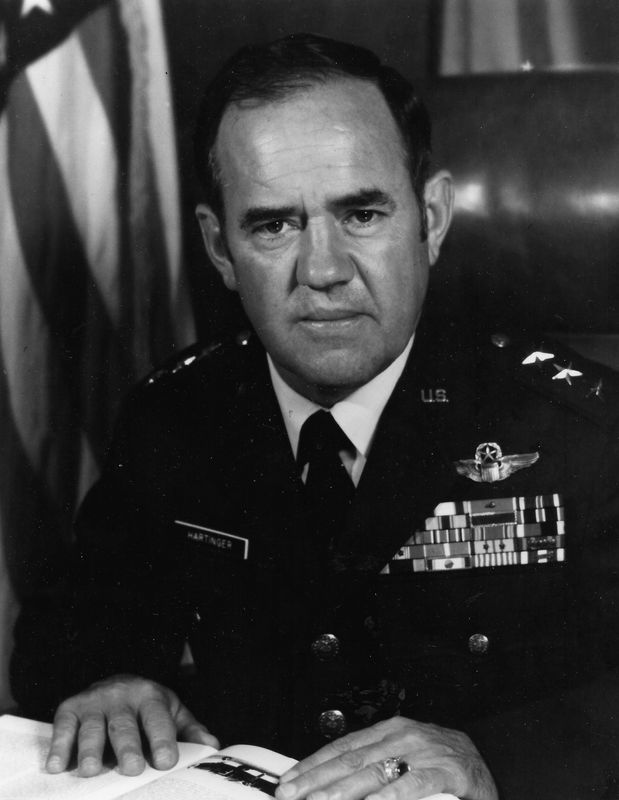
Air Force Gen. James V. Hartinger, commander of NORAD, March 10, 1983: “In the early 1960s, we had 1,000 intercontinental ballistic missiles and [the Soviet Union] had 600. Now we still have 1,000 and they have 1,400. We didn’t invade any countries or intimidate any countries. We proved that our priority was peace. What will the Soviets do now that they have superiority?”
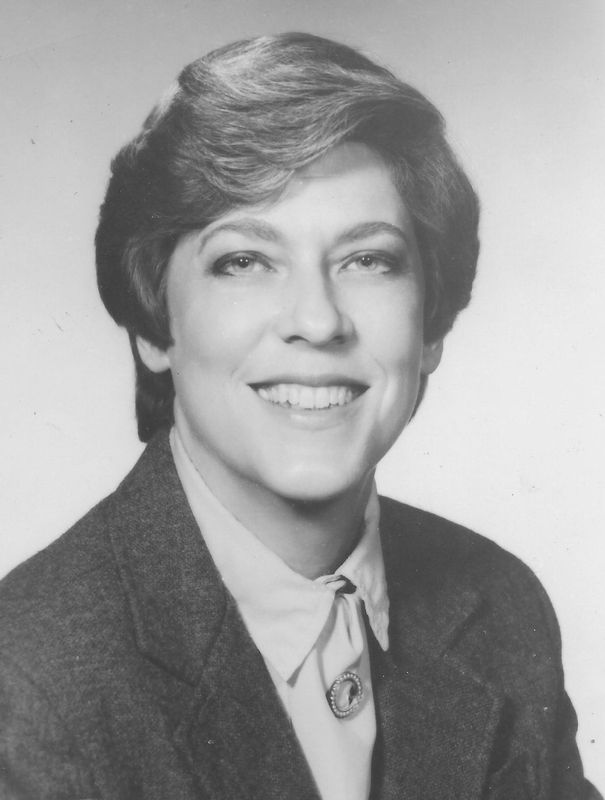
Dorothy S. Ridings, president of the League of Women Voters, Sept. 15, 1983: “In general, women are more apprehensive about American involvement in war. None of this implies that men are pro-violent or pro-war. It only means that women, as a group, are consistently less willing to accept aggression than men.”
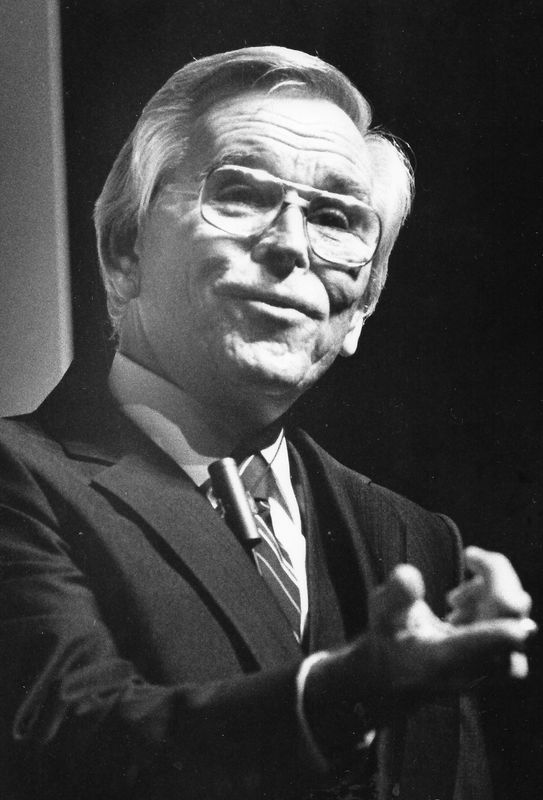
The Rev. Robert Schuller, pastor of the Crystal Cathedral in California, April 12, 1984: “There are ministers who have only one goal: Convert every soul they meet. They count them like notches on a gun. If that’s their role, God bless them. I share with people what Jesus Christ means to me, but I don’t want to intimidate, to manipulate them into conversion. I want to help them even if they have no interest in Christianity.”
Bernard Vernier-Palliez, French ambassador to the United States, June 21, 1984: “You don’t have to earn the money for your imports — you only have to print the money. One day the problems will begin to show.”
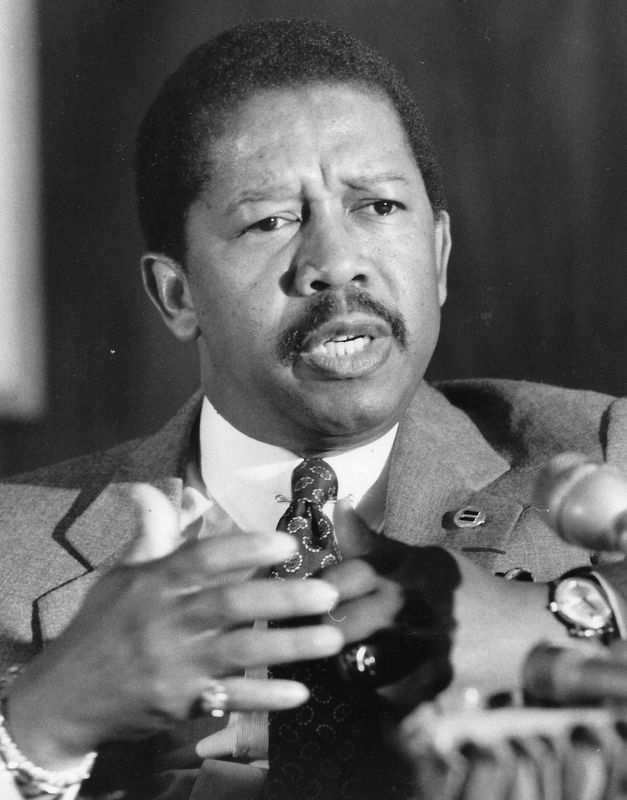
John E. Jacob, president and CEO of the National Urban League, July 26, 1984: “Blacks and minorities need to get their equal share of our great land. Today, the system is not working. Right now, it’s a human tragedy and a waste of human resources.”
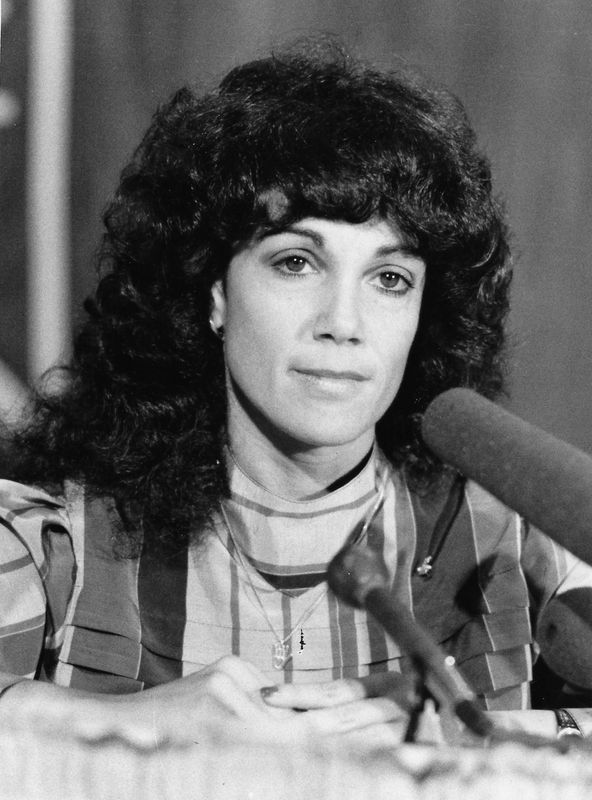
Judith Resnik, Akron astronaut, Oct. 18, 1984: “I think astronauts probably have the best jobs in the world. I’d like to be a career astronaut. I’d like to stay with NASA as long as NASA wants me.”
Martha C. Mautner, deputy director in the Office of Soviet and Eastern European Affairs at the U.S. State Department, June 20, 1985: “Our relations with the Soviet Union leave something to be desired.”
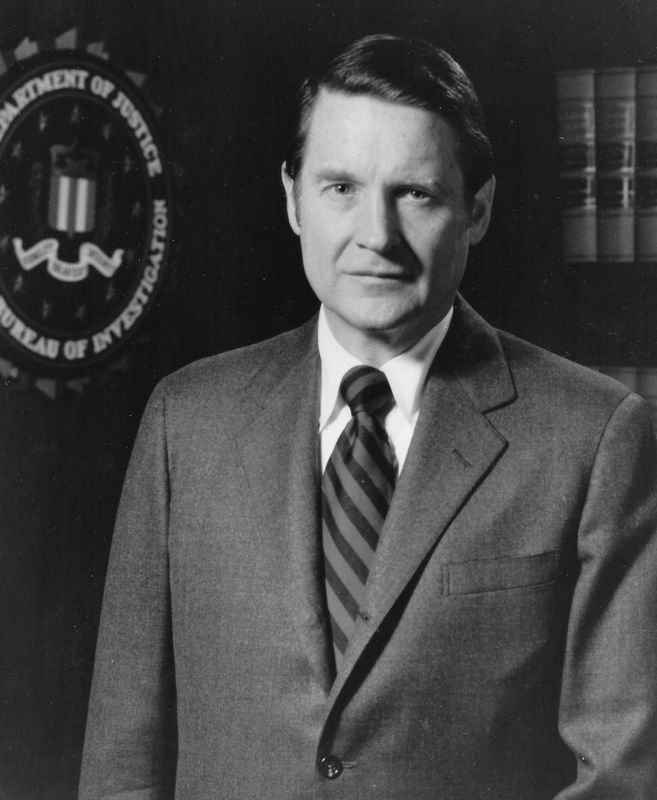
William Webster, FBI director, June 20, 1986: “The major objective of the FBI is to get there before the bomb goes off. Terrorism must be responded to with wisdom, coolness and understanding the underlying purpose of terrorists.”
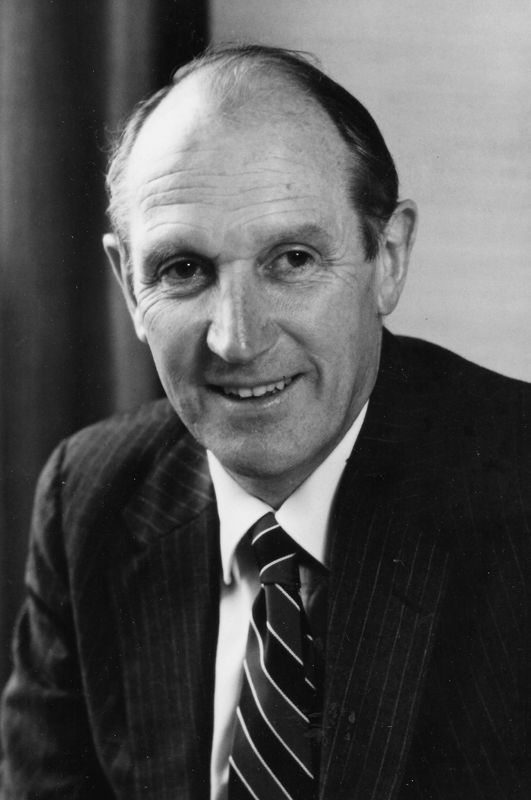
Ian Ross, president of AT&T Bell Laboratories, March 19, 1987: “Any time you have wealth and technology concentrated in a relatively few nations, it is an unstable situation. Unfortunately, I see no effective program in place to transfer technology to less developed nations in a meaningful way.”
Rita Dove, Pulitzer-winning poet, Oct. 1, 1987: “In the second grade, when I had to do my spelling lessons, that was for me the most boring part of the day. Out of not wanting to be bored, I began to make up stories out of the spelling words. I started looking forward to spelling because I could write another story.”
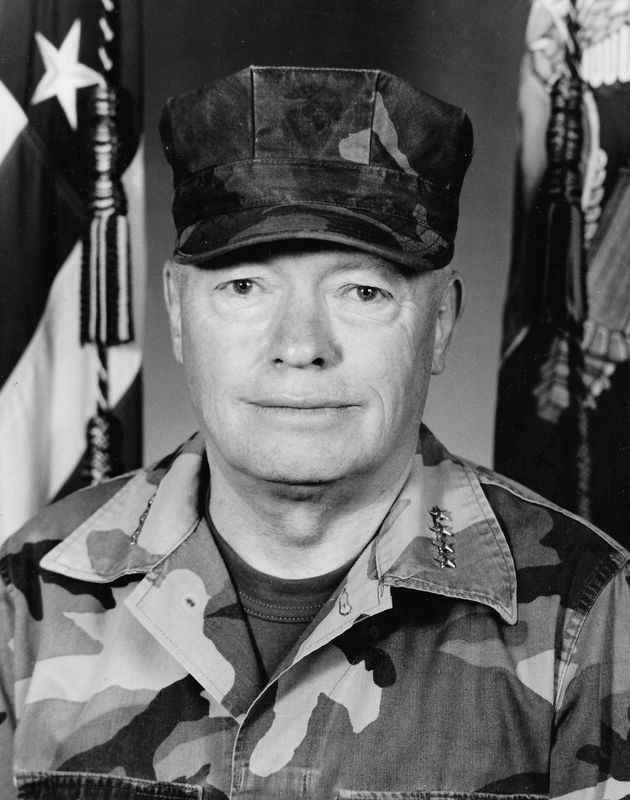
Gen. Alfred M. Gray, commandant of the Marine Corps, July 27, 1988: “A lessening of tensions between the United States and the Soviet Union should not lead to a reduction in defense resources. We must keep in mind that they are still hard-core communists.”
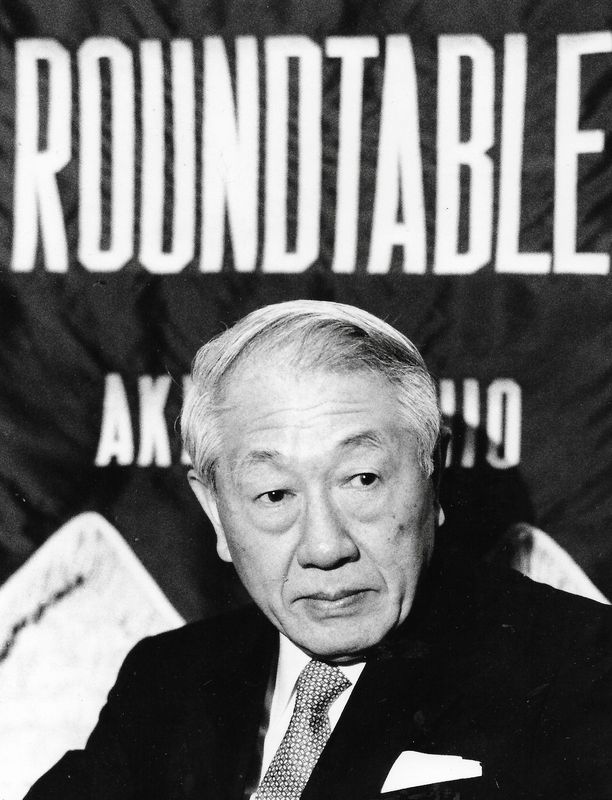
Akira Yeiri, president of Bridgestone Corp., July 20, 1989: “What we have done in the first year of the (Firestone) merger has slowly but intelligently laid a basic foundation upon which we can make the very best of our geographic positioning and our prime product mix.”
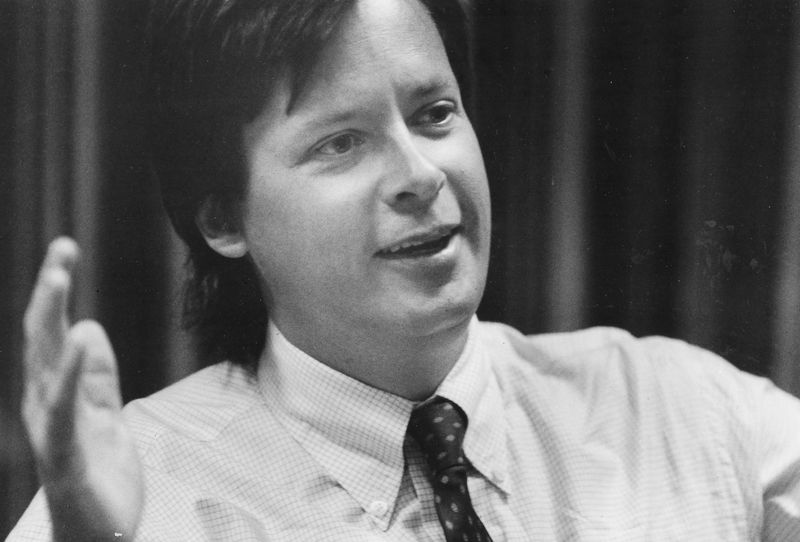
Dave Barry, humor columnist for the Miami Herald, Sept. 27, 1990: “I never feel that funny when I’m writing. Writing to me is this drudgery thing. I’m a brutal critic. My wife is even worse. My wife doesn’t think anything I ever write is funny.”
U.S. Rep. Norman Y. Mineta, chairman of the House Public Works and Transportation Committee, Jan. 14, 1993: “The Cold War is over. I believe it is time to invest money in America.”
Delano Lewis, NPR president, Dec. 15, 1994: “We’re going to be busy trying to show Congress — and the American public — that we’re valuable.”
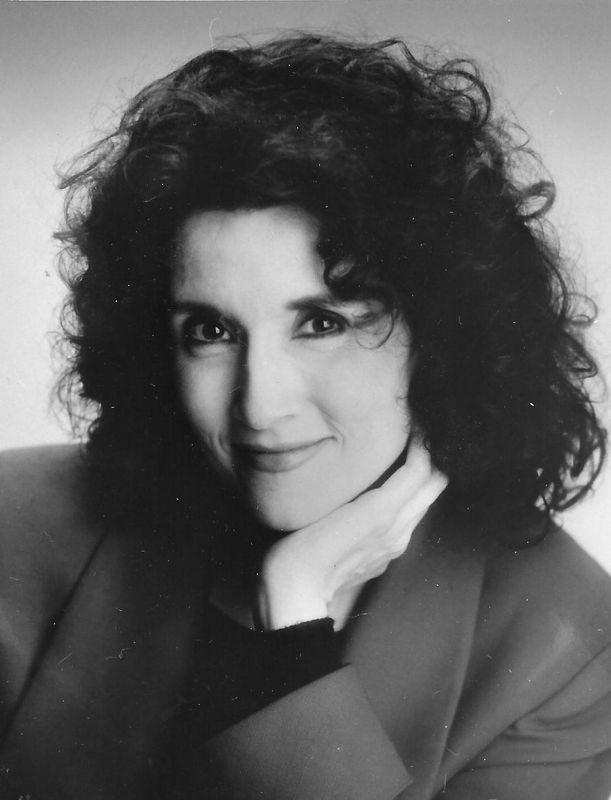
Marilyn vos Savant, Parade magazine columnist, July 20, 1995: “The merely useful or entertaining invention is likely to yield the greatest profit for its inventor and the least control by others. It has become ethically acceptable to profit from creating digital watches or music videos but morally distasteful to profit from creating vaccines.”
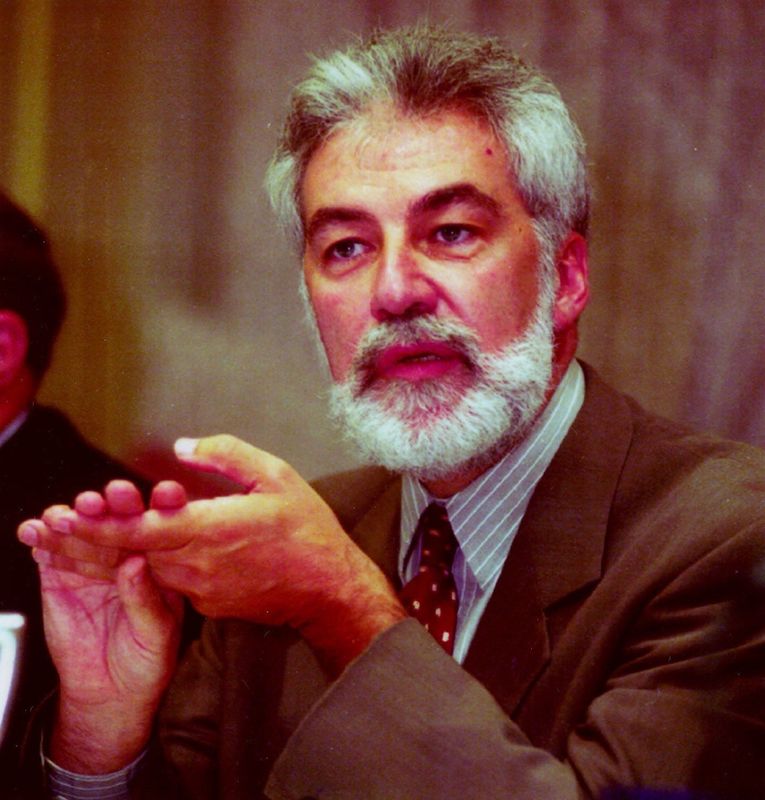
Dennis Barrie, director of the Rock and Roll Hall of Fame, Nov. 9, 1995: “We try, like the baseball and football halls of fame, to judge people on their merits as a performer. How could you make judgments about their personal lives? We have very few choirboys and choirgirls in the rock hall. They lived the lives of performers.”
Martin Franks, senior vice president at CBS-TV, April 18, 1996: “It’s not going to work. Unless the new v-chip equipped television sets are going to come equipped with a pair of handcuffs … used to chain the unattended child to the sofa in the room with the v-chip equipped set, I don’t know about your children, mine are more than clever enough to go to the set in the kitchen, or to the set in the bedroom.”
Hugh B. Price, president and CEO of National Urban League, May 30, 1996: “Once upon a time, communities had a ready response to that haunting question, ‘Do you know where your children are?’ Today, as never before, the compassionate and cost-effective answer is after-school programs instead of all-day prisons.”
Rosabeth Moss Kanter, professor at Harvard Business School, May 15, 1997: “America is the strongest economy in the world, but it won’t stay that way unless we educate our young people.”
Jim Oelschlager, president and chief investment adviser of Oak Associates, March 19, 1998: “I think people are going to be surprised how good things get. The best is still yet to come.”
George Becker, international president of the United Steelworkers of America, Sept. 17, 1998: “How much is enough? How much do you have to put down people in other countries to make enough to make people happy here? I don’t know. This is an insane search by employers to seek out the lowest possible labor they can get. It leads to exploitation and pits workers of different countries against each other.”
John Glenn, U.S. senator and former astronaut, Dec. 17, 1998: “We revere the Constitution. But we might as well tear it up if we don’t have the people to take the ideas on that document and make it work.”
Carmen Policy, Cleveland Browns president and CEO, Sept. 16, 1999: “The moment you start articulating excuses, no matter how valid they may seem or be, you create a slippage in your commitment to winning.”
David Fink, president and CEO of Inventure Place, July 20, 2000: “I know I’ve been rather blunt when I’ve pointed out that almost all of the effort and expense which has been poured into this wonderful project has been done to develop the museum here in Akron. Much, much less has been spent on the effort to truly build a national institution. I don’t say this to be offensive. I say it because it’s the truth.”
Michael Feldman, host of NPR comedy-quiz show “Whad’ya Know,” Sept. 7, 2000: “It’s so nice to be here. They told me right off the bat, don’t mention tires or blimps. So I really don’t have anything to say, but thank you for coming. Anyone have any questions?”
Lt. Gen. Daniel Christman, superintendent of the U.S. Military Academy at Westpoint, Feb. 15, 2001: “Our mission at the academy is to produce Army officers who can think, motivate and win in any environment.”
Lee Hamilton, director of the Woodrow Wilson International Center for Scholars, Oct. 18, 2001: “The Saudis are extremely important to us because you and I are addicted. We’re addicted to their oil. We’re slow learners, aren’t we? As a matter of fact, we’re dumb. There are a thousand things we could have done to break that dependence, but we didn’t.”
Steve Pomerantz, senior adviser on counterterrorism for the American Jewish Committee in New York City, Sept. 9, 2002: “Iran is a much bigger problem than Iraq, particularly in terms of international terrorism.”
Dennis Archer, president of the American Bar Association, April 1, 2004: “As lawyers, our responsibility is to protect the Constitution in times of peace as well as times of conflict. We need to be vigilant to ensure that our national security does not come at the expense of our Constitution and that our country maintains its principled fairness and demonstrated respect for the rule of law.”
Stephen Post, bioethicist, Nov. 15, 2007: “When we engage in compassionate behavior, when we show kindness to others, science tells us that we will be happier, shielded from stress-related diseases and will live longer. It’s good to be good. It benefits those who give.”
Todd Purdum, national editor of Vanity Fair, Oct. 16, 2008: “It was not that long ago that the mere thought that a White woman or a Black man might be the Democratic nominee for president seemed impossible. And, until a few weeks ago, the thought that a former mayor of Wasilla, Alaska, could be a skin cell away from the presidency was the stuff of fiction — real bad fiction.”
Jim Gibbons, president and CEO of Goodwill Industries International, Sept. 17, 2009: “Helping a person find a job is really the start. A job brings dignity, self-respect and helps the individual become a contributor to the community.”
Thomas Strauss, CEO of Summa Health System, March 19, 2009: “With two wars and a recession, some say we just can’t afford to fix our economy and fix health care. But it’s now clear: That is a false choice. The truth is we cannot fix the economy without fixing health care. Health care just can’t wait any longer.”
Richard K. Vedder, Ohio University economist and founder of the Center for College Affordability and Productivity, May 19, 2011: “The cost of higher education cannot rise faster than people’s income indefinitely. People are beginning to question the value of higher education.”
Jennifer Bradley, Brookings Institution fellow and author, Feb. 20, 2014: “Collaboration has been described as an unnatural act between unconsenting adults.”
Jimmy Haslam, Cleveland Browns owner, Nov. 20, 2014: “We’ve got a good blueprint in place. There’s no excuse for not winning in the NFL. And if you don’t, it’s the owner and top management.”
Scott Scarborough, new president of the University of Akron, Aug. 7, 2014: “Public higher education is the key to our country because what makes our country special is that anybody can become anything.”
Michael Morell, former acting director and deputy director for the CIA, June 3, 2015: “The fastest-growing threat is cyber attacks, from states to criminal groups, using the cyber medium to steal data and bring down systems. Some of our medium adversaries are Russia, China, Iran and Korea. The amount of money made by cyber criminals is now more than the amount made in illicit drug trade.”
Michele Campbell, executive director of the LeBron James Family Foundation, Dec. 14, 2017: “This (I Promise) school will be transformational for these students and the entire community.”
Karen Freeman-Wilson, president of National League of Cities, Dec. 12, 2019: “Some people call us the Rust Belt. But I like the word ‘legacy’ cities because it really does underscore the legacy we have provided to this country.”
Paul Dolan, Cleveland Indians president, March 18, 2021: “Our goal is to find a name that we can all unite around. It may take time for some, but I think we’ll get there. When we get there, it will be a name that everybody can feel comfortable with and own and, frankly, we can use in a more aggressive and active way than we currently use to market our names.”
Cindy Hohl, treasurer of the Freedom to Read Foundation, May 8, 2023: “The public library is there to uphold the principle of free speech for everyone. Libraries are for everyone. We affirm that the freedom to read is essential to our democracy.”
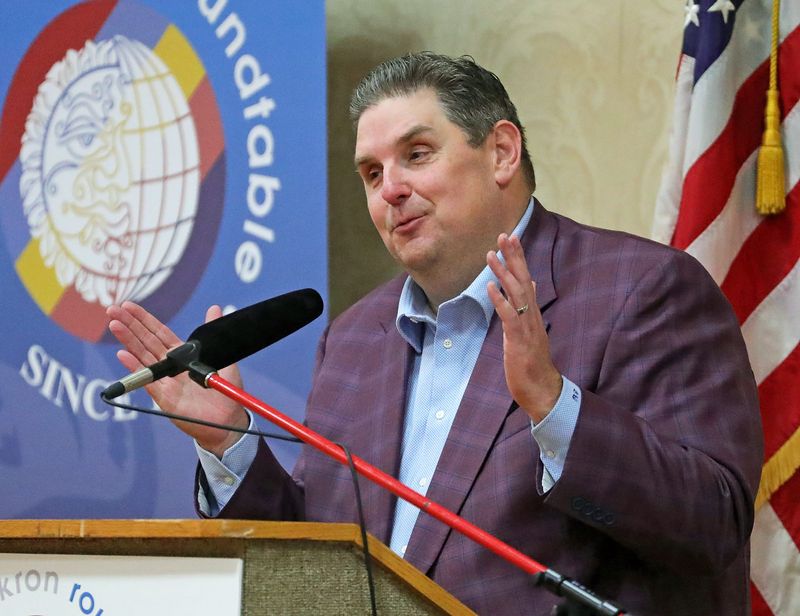
Brian Windhorst, ESPN senior NBA reporter, Feb. 19, 2026. “I was so incredibly fortunate to be from Akron, but also to be here in the era of LeBron James. I feel like he has given so much to me, like he has all across the sports landscape and the city itself.”
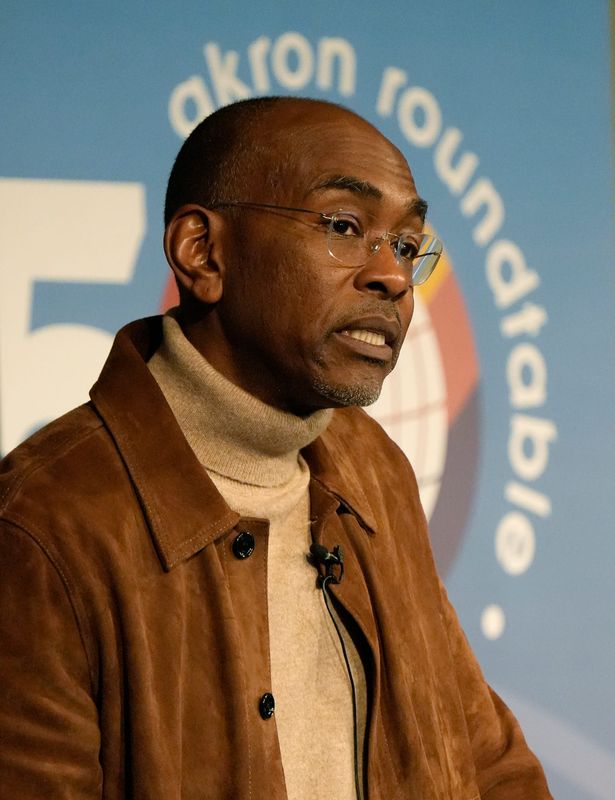
Paul Tazewell, costume designer, April 7, 2026: “I’ve learned that my work as an artist goes far beyond pride. I’m a visual historian. I’m an architect of identity. I’m a culture keeper. My work, it dignifies, it challenges; hopefully it inspires.”
Mark J. Price can be reached at mprice@thebeaconjournal.com
This article originally appeared on Akron Beacon Journal: They said it! 50 years of dialogue at Akron Roundtable | Local history
Reporting by Mark J. Price, Akron Beacon Journal / Akron Beacon Journal
USA TODAY Network via Reuters Connect