The MKE FreshAir Collective, a nonprofit monitoring air quality across Wisconsin, is providing free radon tests to residents of the city of Milwaukee.
Exposure to the toxic gas is the leading cause of lung cancer in the United States for non-smokers. The National Cancer Institute reports that between 15,000 and 22,000 lung cancer deaths in the U.S. annually are radon-related.

Low-cost radon tests could be life-saving, said MKE FreshAir Collective co-executive director Langston Verdin.
“Sometimes, people have that kind of ignorance-is-bliss type of attitude, like they just don’t want to know in case it comes back and the concentration is high,” said Verdin. ” But it’s so much better to know and be prepared.”
Here’s what you should know about radon and how you can get a test.
What is radon?
Radon is a colorless, odorless gas naturally produced by the breakdown of uranium, thorium and radium in rocks and soil.
The gas seeps through weak infrastructure points in homes, like cracks in walls, thin basement floors, sump pumps and floor drains. Exposure can also occur from contaminated well water.
According to MKE FreshAir Collective, there is no safe level of radon to breathe.
Without ventilation, radium can accumulate and cause health concerns like lung damage.
How prominent is radon in Wisconsin?
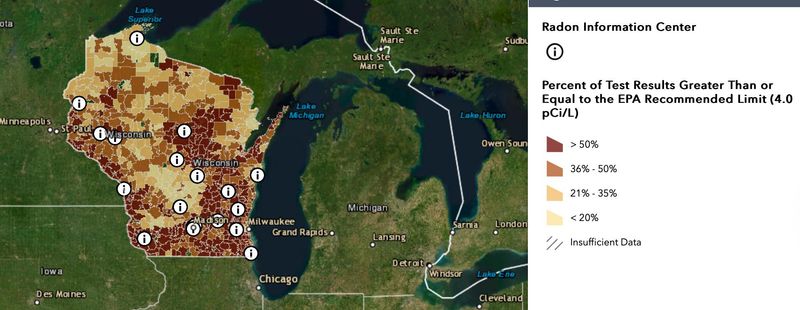
Approximately 1 in 10 homes in Wisconsin have high radon levels, according to the Wisconsin Department of Health Services.
In southeastern Wisconsin, up to half of homes have dangerous levels of radon, according to the MKE FreshAir Collective.
However, Milwaukee’s testing rate is low compared to other parts of the state, like Madison, Verona, Plattville and Antigo. Just 2% of homes in Milwaukee have been tested, according to Danika Hill-Paulus, co-executive director of MKE FreshAir Collective.
How do I test for radon in my home?
Radon tests can be purchased for $10 to $30 at local hardware stores like Home Depot and ACE Hardware or online from a regional Radon Information Center.
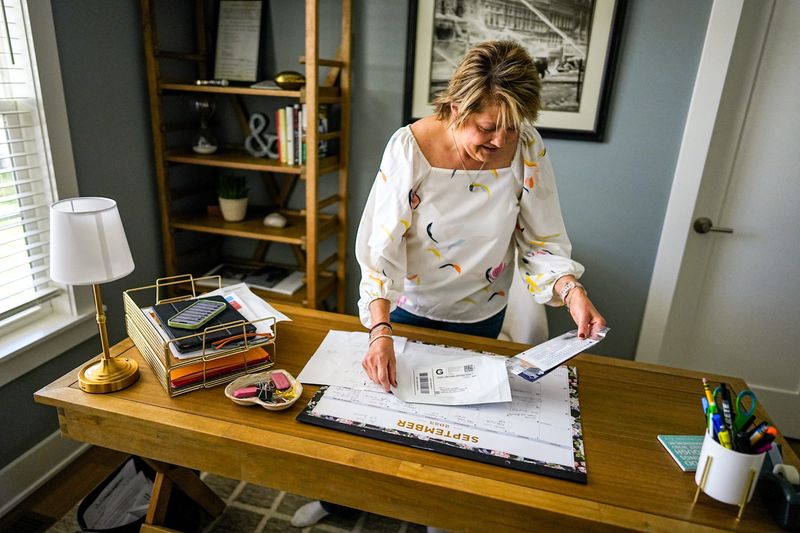
The measuring device is placed in the basement or first floor of your home for two to four days. Once the designated testing period has concluded, you can ship the test to a local laboratory for analysis. A $20 lab fee is often required per sample.
After test results come back, free expert consultations are commonly offered with each purchase.
If you are a Milwaukee resident, you can also request a free radon test from MKE FreshAir Collective.
Are certain types of homes more susceptible to radon contamination?
Any home, whether it is old or new, could be at risk for radon contamination.
The Wisconsin Department of Health Services recommends testing for radon in any place where people spend large amounts of time, such as homes, child care centers schools and workplaces.
If I identify high radon contamination levels in my home, what should I do?
If your house’s radon levels are above 4 picocuries per liter, experts recommend installing a radon mitigation system, a fan system that funnels contaminated air outside of the home through a pipe.
This system draws the gases out of the contaminated area and deposits them above the roof line of the home. These systems often run with little to no maintenance for up to 10 years.
There are currently no programs in Milwaukee that offer free radon mitigation. Installing the system can cost between $1,000 and $2,000.
MKE FreshAir Collective recommends blocking off the contaminated until a mitigation system is installed, if possible.
Experts recommend that you do not allow children to run around or use the space as an exercise space. Exercise increases necessary air intake, meaning that your radon exposure could be increased by high-intensity movement.
How do I find a trustworthy contractor to install my radon mitigation system in Wisconsin?
The contractors who are best equipped to install radon mitigation systems undergo a state-run training and credentialing process or one of two nationally-recognized radon proficiency programs.
Wisconsin’s Radon Program offers help for finding certified contractors.
You can also request that contractors verify or share their radon certification before providing services.
Do I have the right to request radon testing from my landlord?
Yes, renters have the right to request radon testing from their landlord.
In most states, if radon levels are high enough to be considered unsafe, then the property owner is required to take action to make the property habitable.
Additionally, if a landlord has identified a level of radon contamination that could lead to health problems, state law requires them to tell you before entering into a rental agreement or accepting a security deposit.
If your landlord does not do so, you can contact your local radon information center or organizations like Legal Action of Wisconsin for assistance. Legal experts recommend documenting all test results and requests for mediation in writing.
Radon resources in Milwaukee and Wisconsin
This article originally appeared on Milwaukee Journal Sentinel: What to know about radon and how to get a free test kit in Milwaukee
Reporting by Tamia Fowlkes, Milwaukee Journal Sentinel / Milwaukee Journal Sentinel
USA TODAY Network via Reuters Connect