The Neenah School Board will see new faces this year after incumbents Deborah Watry, Michelle Swardenski and Lindsay Clark chose not to run for reelection this spring.
Four candidates are seeking one of three spots on the School Board in the April 7 spring election.

The Appleton Post-Crescent asked candidates their stances on school finance, vouchers and other issues they felt mattered the most to Neenah schools.
This won’t be the only chance these candidates will have to make their case to voters. The League of Women Voters of Winnebago County will host a candidates forum featuring the School Board candidates at 6 p.m. March 12 at Neenah City Hall, 211 Walnut St.
Responses were lightly edited for clarity. Candidates are shown in alphabetical order, not necessarily the order shown on the ballot. To learn more about voting and how to register, visit myvote.wi.gov.
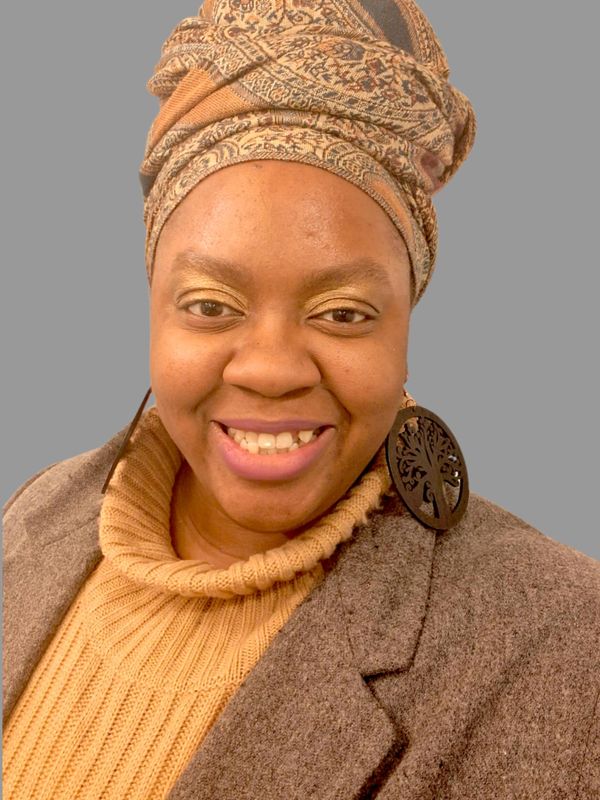
Christian Blanton
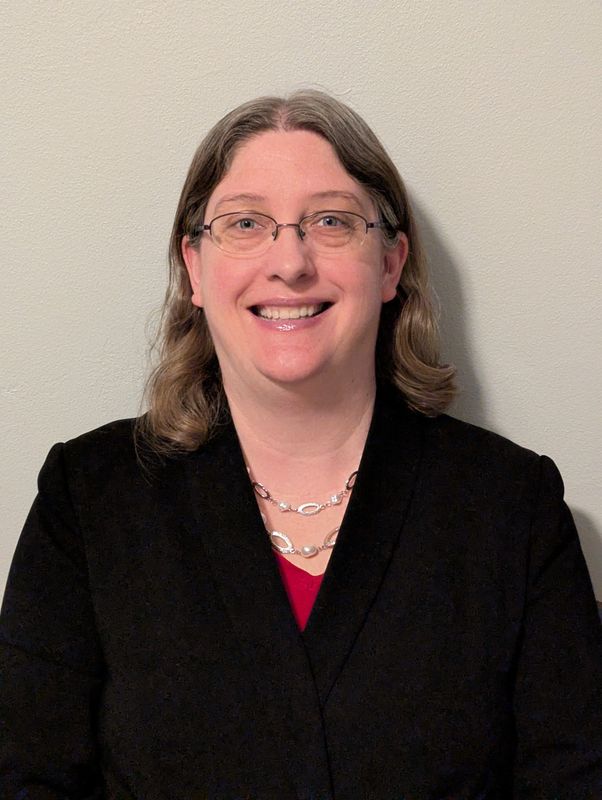
Tom Hanby
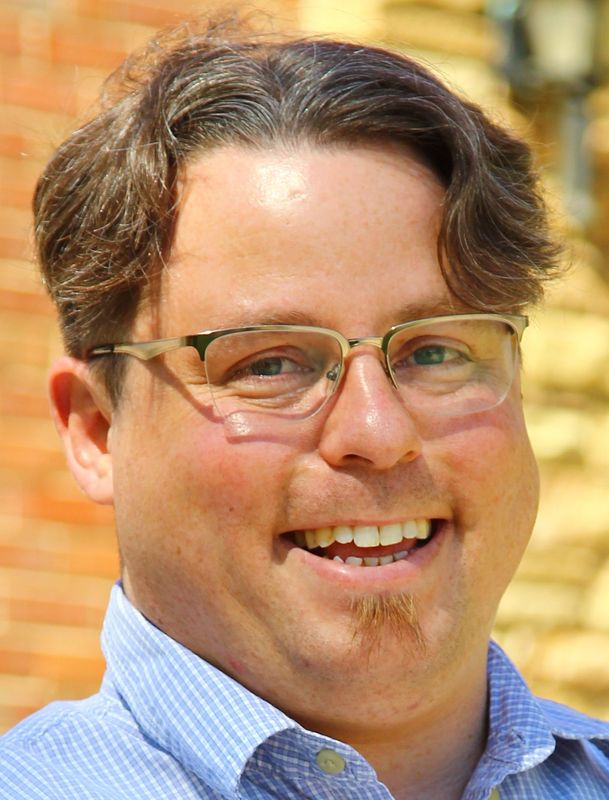
Becky Heidke Kwiatkowski
Samuel Roth
Why are you running for office?
Blanton: I am deeply invested in this district as a parent, trusting Neenah schools with four of my five children every day. Educators answered the call to teach, but they should not have to do this work alone. For too long, I assumed leadership had all the answers – until I realized what was missing was parent voice and partnership. I am running to strengthen trust, collaboration and accountability so every child has an advocate at the table.
Hanby: I see the schools as vitally important to our society for a number of reasons: education, employment and the tax base. I want to ensure our community, staff and taxpayers are equally represented and that they have a venue or method in which they can express their opinions. I’m interested in fairness and clarity in the things we do because we are a public entity using taxpayer dollars and that carries a much higher level of responsibility.
Heidke Kwiatkowski: All Neenah kids deserve an opportunity to thrive. We need smart solutions to help students and teachers while being mindful of budget constraints to maximize our investment. I have a strong background to support collaborative ideas with our community and the necessary knowledge to understand current financial pressures. I am willing to listen to both sides of a discussion and look for compromises. I am a proud Neenah graduate and want to keep improving our schools going forward.
Roth: I feel very strongly that our community’s young people need to be highly literate to take over the reins of the world. This includes literacy in language that prepares them to be critical thinkers relying on facts and historicity, but also to be mathematically literate, capable of updating their priors and recognizing causation distinct from correlation. To that end, I am running for School Board to be a thoughtful contributor to the decisions aimed at improving literacy outcomes.
What do you think are the most important issues that Neenah schools face?
Blanton: Staffing retention and educator support, student mental health, transparent budgeting and strong family-school partnerships. We must ensure students feel safe, seen and supported while giving educators the resources, trust and community backing they need to succeed.
Hanby: When it comes to education, the world wants you to think that the most important thing is student achievement. But takes a lot of money to fund that achievement. The most important thing in education is money, but there’s a disparity in how the state funds education and what they expect to get out of local communities. School funding is a huge issue; many of our neighbors are running referendums for operational dollars.
Heidke Kwiatkowski: Our most important issues are school funding and transparency with taxpayers. The state has underfunded our schools for many years, which puts undue pressure on our local schools to cut costs and/or taxpayers to fund the difference. Over the past year and half, we have seen better communication and transparency from the district and this needs to continue. Our community deserves to know all the good our students and teachers are doing as well as understand the challenges we are facing.
Roth: The two most pressing issues are time and money. The public, by and large, doesn’t have the time to fully comprehend school district funding with sum-certain vs. sum-sufficient allocations, revenue limits, voucher costs and complex funding formulas. But if it comes to it, they’ll be expected to weigh in on a referendum that may have been instigated by those complexities. We need to bring the public along with informational fidelity about what drives our tax dollars’ spend.
In light of rising costs and state aid not adjusting for inflation, many districts are facing tough financial decisions. How would you manage that issue locally?
Blanton: Locally, we need disciplined, transparent budgeting paired with early community engagement. That means prioritizing classroom impact, planning for inflation, seeking partnerships and grants and communicating clearly with families before decisions are made. When referendums are necessary, they must be built on trust and clear outcomes. I also believe schools should invite more community partners into our buildings. Amid Hoover’s closure, when we had the Resource Fair, families connected to mental health supports, childcare, employment, housing advocacy, domestic violence resources, and affirming cultural support – showing what strong collaboration can do.
Hanby: At this point, our school budget is already being managed locally. Our school finance department has been providing balanced budgets for well over a decade. The reality is that we’ve been lobbying with legislators in the hopes of getting them to be fair or appropriate with the funding that the state provides. There at least needs to be transparency and likely changes in the state voucher system.
Heidke Kwiatkowski: The Board needs to ensure current programs are run as efficiently as possible and to monitor the activities of the district to ensure they understand what is going on. The Board must understand how any proposed cuts affect students and staff. Would the cuts be temporary or permanent, are any new programs sustainable in the short term and long term, and are the programs in place meeting the “Neenah for All” standards? Community input is necessary and must be taken into consideration. Collaboration with community leaders should also be considered. I am willing to ask the difficult questions of district administration and ensure appropriate communication with taxpayers is completed.
Roth: As a public servant, I would listen closely to constituents while working to deeply understand the district’s funding challenges. There may be programs, such as summer school, that help boost enrollment and improve funding in the short term. Over the long run, however, public education funding will require stronger public understanding and engagement. As a neighbor and School Board member, I intend to support efforts to demystify these issues so the community is well informed and positioned to make thoughtful decisions
More local families are entering the Wisconsin Parental Choice Program, using public money for private school tuition. What is your view on the choice program and how it affects your district?
Blanton: If Neenah Public Schools can produce national robotics champions and athletic titles, there’s no reason we can’t compete at the highest levels. I don’t believe alternative education options take away from my children’s learning. One of my children attends a local Montessori school, and I value the flexibility and perspective it offers. I’m grateful the choice program exists for families who need it. My children exist across multiple learning environments. Families make decisions based on their needs, and I respect that. At the same time, public schools must remain strong, well-funded and competitive. As choice grows, districts like Neenah must focus on quality, trust and student experience.
Hanby: The choice program takes literally millions out of our local districts and therefore likely others. In our district, we don’t have a necessity for the choice program as they would in, for example, Milwaukee Public Schools. Every dollar we take out of public education just continues to dilute public education. The vast majority of people get their education through public education. The goal should not be to dilute public education so that it’s a solid entity to the vast majority of students who use it for their primary education method.
Heidke Kwiatkowski: Residents make decisions based their on own best interests on how to educate their kids. However, many residents do not understand the detrimental effect choice program vouchers have on public schools. Everyone paying property taxes are paying for the vouchers. Public schools have requirements on reporting test results and must educate all students. Private voucher programs are not held to the same testing standards, making comparisons of education success impossible. [Note: While private voucher schools are required to test choice students, caregivers can and do opt students out of testing, leading to a lack of testing data for many schools.] Private schools are also not held accountable for the way they spend their funds in the same ways as public schools are. Vouchers are costly for public schools as they take away funds desperately needed to cover costs.
Roth: The cost-per-student model for vouchers taken from the public school system is problematic. Each student’s educational cost is quite variable. When public schools have a mandate to teach the costliest students, and private schools are free to deny those same students an education, then we cannot expect that a simple cost-per-student model of vouchers makes sense between the public and private schools. Private schools can pursue financially advantageous enrollment practices, while public schools are increasingly squeezed by inequitable cost sharing. As such, my view is that the voucher program puts undue financial pressure on our district, which needs to be relieved.
Rebecca Loroff is a K-12 education reporter for the USA TODAY NETWORK-Wisconsin. She welcomes story tips and feedback. Contact her at rloroff@gannett.com.
This article originally appeared on Appleton Post-Crescent: Neenah School Board candidates discuss school budgets and more in Q&A
Reporting by Rebecca Loroff, Appleton Post-Crescent / Appleton Post-Crescent
USA TODAY Network via Reuters Connect