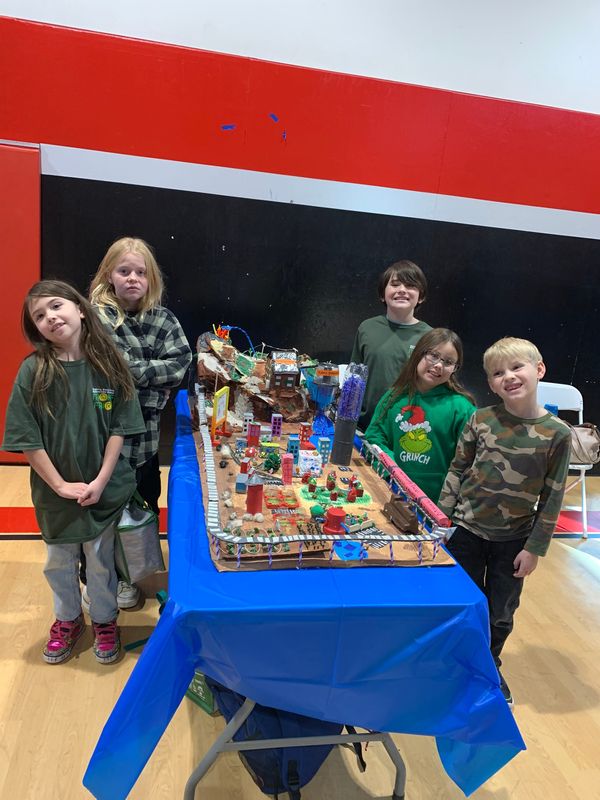
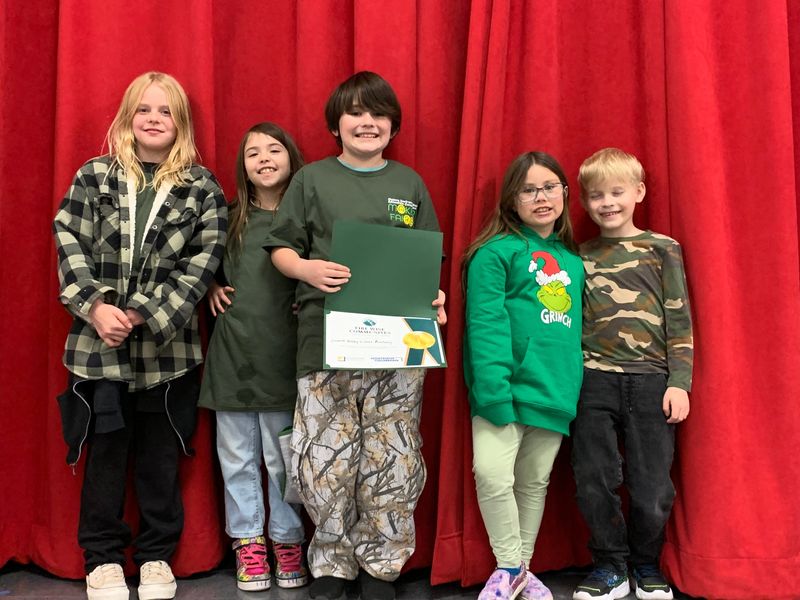
Lucerne Valley students recently took home awards after successfully building and protecting a model city against the threat of wildfire.
The award-winning students competed Saturday, Dec. 6, at the Mojave Environmental Education Consortium’s Sustainable City Competition at Piñon Mesa Middle School in Phelan.

This year’s challenge theme was “Firewise Future: Designing Cities that Stand Against the Flames.”
Event organizers said competition rules and guidelines included facing a challenge based on a hypothetical situation that involved fire protection.
Students were given the following scenario: “As the frequency and intensity of wildfires increases, city planners must rethink how we build and live. Your challenge is to design, construct, and build a 3D model of a wildfire-resilient city—one that keeps people, air, water, and wildlife safe—even in the face of wildfires, drought, and wind-blown smoke.”
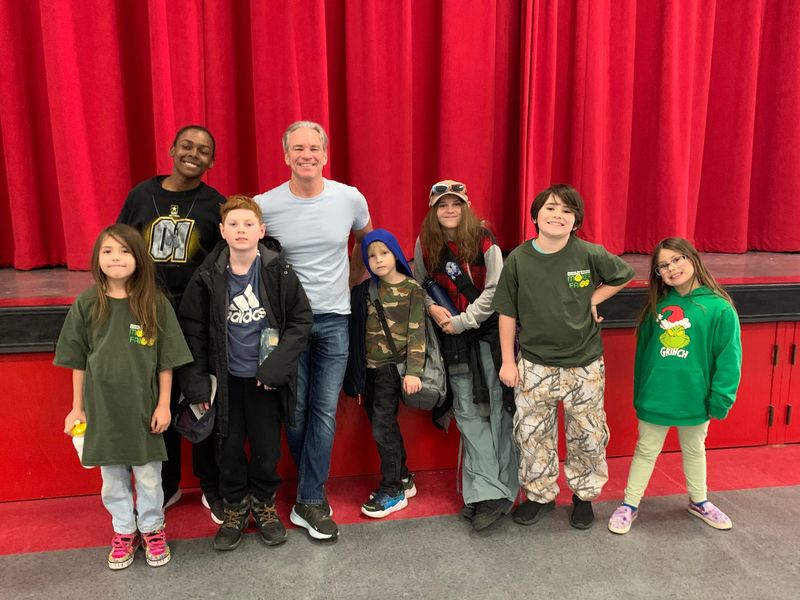
Joel Greene, the TV host and producer of Curiosity Quest, History Brought to Life and Inland Empire Explorer, was also on hand during the event.
Virtual Academy winners
Lucerne Valley Unified School District officials said two teams from its Virtual Academy won first place in their divisions.
First place went to third to fifth grade team members Jayda Catron, Hunter Critchlow, June Critchlow, Madelynn Gutierrez and Austin Housler. High school team members Allan Housler, Annabelle Housler, and Miles Whittaker also took first place.
The competitor cities were located “within the urban-wildland interface,” where human development meets or intermingles with natural wildland areas such as forests, shrublands, or grasslands.
These model cities face unique challenges, particularly increased wildfire risk, due to the proximity of homes and infrastructure to flammable vegetation.
Making the challenge even more comprehensive, each city was designed to be drought-tolerant, wildfire-resilient, sustainable and realistic for a dry, high desert climate, which receives about 9 to 12 inches of rain per year, 2 to 3 inches of snow, and has long, hot, windy summers with arid conditions.
“Your city design and presentation should show how your community stays safe through wildfire preparedness, how it protects people and places during a fire, and how it recovers after the fire is over,” organizers said.
Virtual Academy team members also presented an essay, an oral presentation, and an optional digital component. The model was displayed on a standard 6-foot table and constructed with mostly recycled materials.
Ingenuity, hard work and creativity
“I am profoundly impressed by the students’ ingenuity and exceptional hard work,” said Mary Eller, the Virtual Academy’s elementary grades teacher. “Their dedication, creativity and work ethic are all skills that will bring them success in future endeavors.
Eller added that the students’ ability to take abstract scientific and engineering principles, and to manifest them using an entirely recyclable model—complete with lights and moving parts—all while strictly adhering to guidelines from the program’s directors, “Is a true testament to their creativity and problem-solving skills.”
Working alongside Eller was longtime teacher Cindy Lazenby, who teaches the Virtual Academy’s middle/high school students.
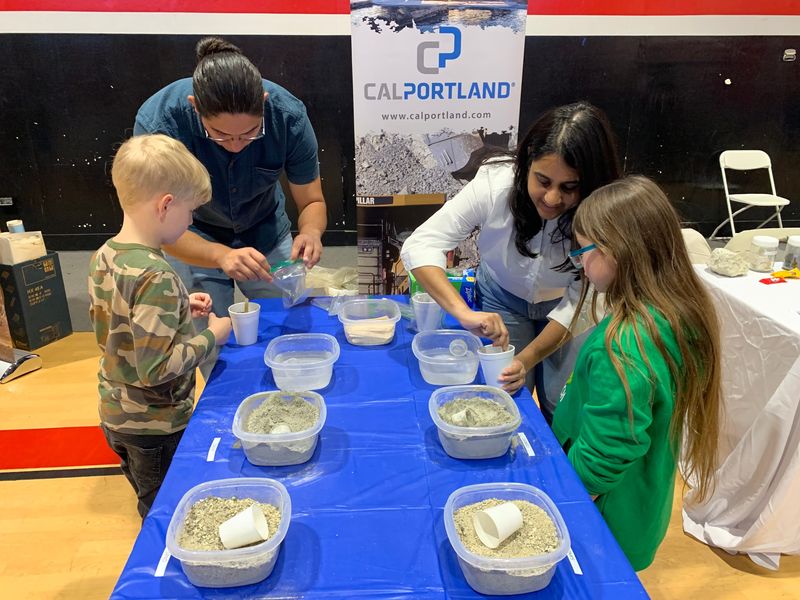
The event was supported by the Littlerock High School Agricultural Program, Women in Mining California, NASA Goldstone, CalPortland Company, Mojave Water Agency, Northrop Grumman, Victor Valley Wastewater Reclamation Authority, and Devil’s Punchbowl.
Daily Press reporter Rene Ray De La Cruz may be reached at RDeLaCruz@VVDailyPress.com. Follow him on X @DP_ReneDeLaCruz
This article originally appeared on Victorville Daily Press: Lucerne Valley students scorch competition during fiery model city challenge
Reporting by Rene Ray De La Cruz, Victorville Daily Press / Victorville Daily Press
USA TODAY Network via Reuters Connect