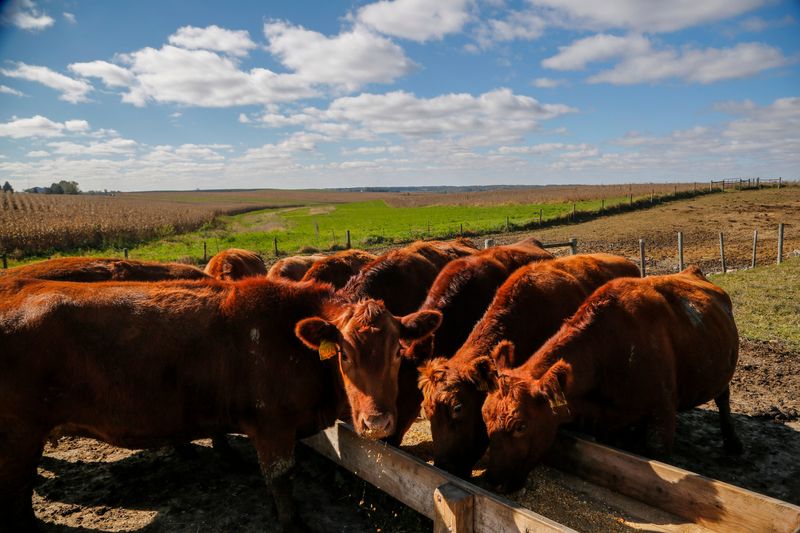
A parasite that can kill beef cattle has been detected in a southeast Iowa herd.

It is the first time a case of Theileriosis has been found in the state, according to the Iowa Department of Agriculture and Land Stewardship.
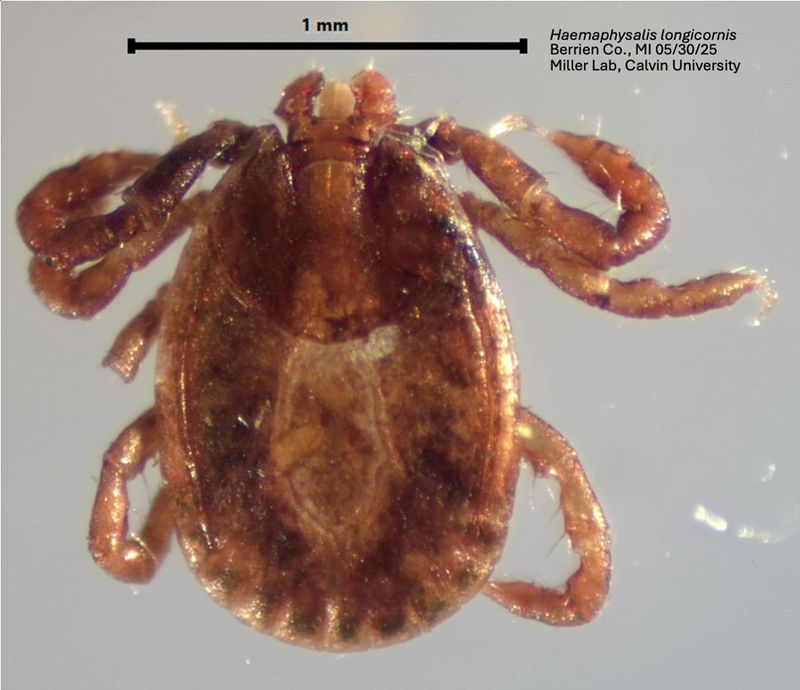
Asian longhorned ticks carry Theileria, which infects both the red and white blood cells of cattle. The ticks also infect other ungulates, a diverse group of animals characterized by hooves.
The disease can cause anemia in beef cattle, eventually leading to death.
Theileria does not pose a health risk for humans.
What are Asian longhorned ticks?
Theileria orientalis Ikeda is the parasite that causes the disease Theileriosis. The parasite can be carried by Asian longhorned ticks, which have recently been identified in Iowa for the first time.
First detected in New Jersey in 2017, this species of tick has spread to at least 21 other states.
Asian longhorned ticks are light brown in color and are small — about the size of a sesame seed.
Although the ticks will be active all summer, it is common to see a surge of infestations when cattle are first introduced into a new pasture.
The presence of a preferred host, such as cattle, generates a surge in new ticks as females begin to lay thousands of eggs.
Experts expect the disease to spread north this summer, though it’s currently isolated to southern Iowa.
What are the signs of Theileriosis?
Cattle affected by Theileriosis typically show signs of lethargy, anemia and labored breathing, according to a news release from Iowa State University Extension and Outreach.
The disease can cause fluid buildup in the lower abdomen, which causes cattle to avoid exercise, develop jaundice and experience aborted pregnancies.
Younger animals and calves often display more severe signs compared to mature cows and bulls.
What should cattle producers do?
The risk of death in cattle can be elevated because of anemia from the tick and Theileria.
If cattle producers suspect either Theileria or an invasion of Asian longhorned ticks, they should have a veterinarian collect samples and submit them to the Iowa State University Veterinary Diagnostic Lab.
Cattle producers should aggressively control external parasites this summer. Insecticide ear tags don’t do enough to control ticks.
Experts also suggest incorporating a backrubber for the cattle and regularly applying a pour-on insecticide during the summer.
Ronna Faaborg covers business and the arts for the Ames Tribune. Reach her at rfaaborg@gannett.com.
This article originally appeared on Ames Tribune: Iowa cattle farmers urged to check herds for ticks, parasites after Theileria was detected
Reporting by Ronna Faaborg, Ames Tribune / Ames Tribune
USA TODAY Network via Reuters Connect