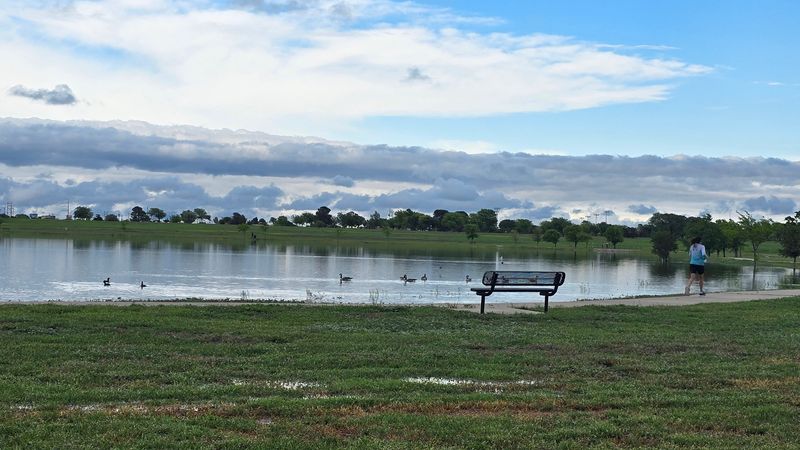
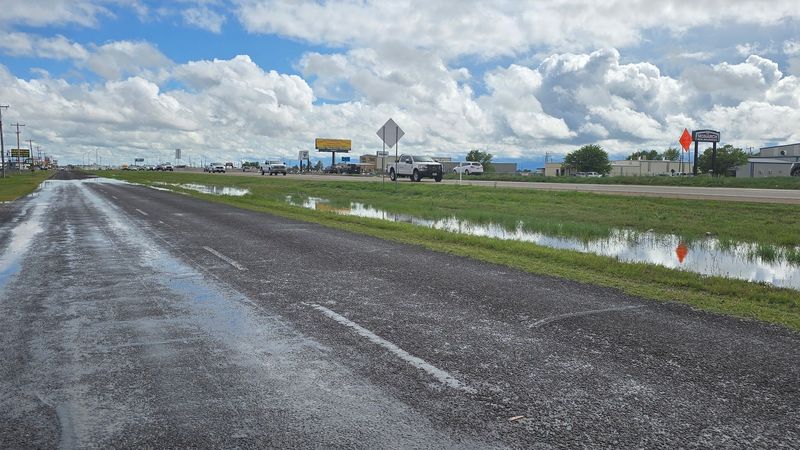
In the sprawling Texas Panhandle, Amarillo and surrounding communities were drenched by a week of relentless rain in early May, a stark contrast to the region’s typical drought conditions and months of near-constant burn bans. The downpours brought much-needed relief to dry soil and wildfire-prone grasslands — but also tested the city’s stormwater infrastructure, especially its playa lakes. While the rains eased fire risks, drainage challenges continue to keep city officials on alert.
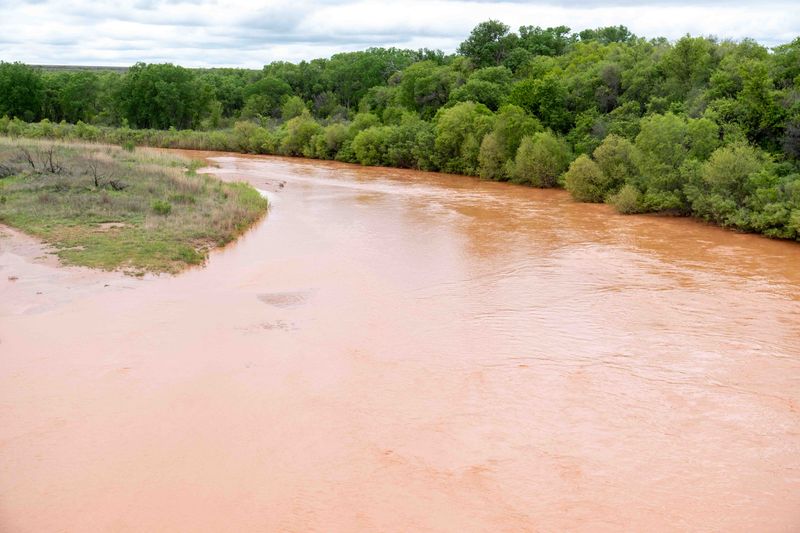
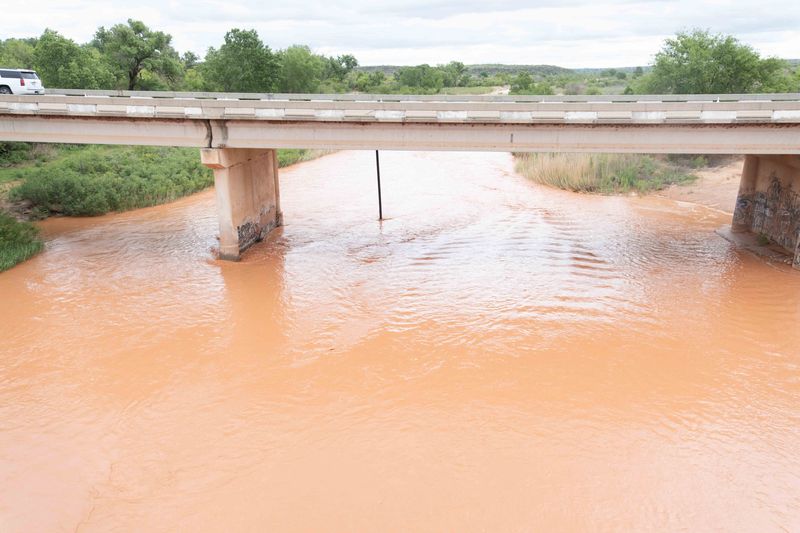
The system moved in late last week as a slow-moving weather pattern stalled over the Panhandle. By Sunday, May 4, the National Weather Service in Amarillo was forecasting multiple rounds of heavy rainfall. By Monday afternoon, the NWS recorded half an inch at their local office, while other areas in the region saw between 1 and 4 inches of rain between 48 and 72 hours. The water soaked the plains, raised creek levels and swelled the Canadian River north of the city, which was forecast to crest near 9 feet on Wednesday, May 7, before falling below flood stage the next day.

The surge is expected to lift levels at Lake Meredith, a welcome reprieve for a region that has faced one of the driest stretches in recent memory. Still, with the ground already saturated, the weather service warned of ongoing flash flooding and urged drivers to “turn around, don’t drown” as low-lying roads became impassable and water over roadways makes travel more hazardous.
Water relief, drainage reality
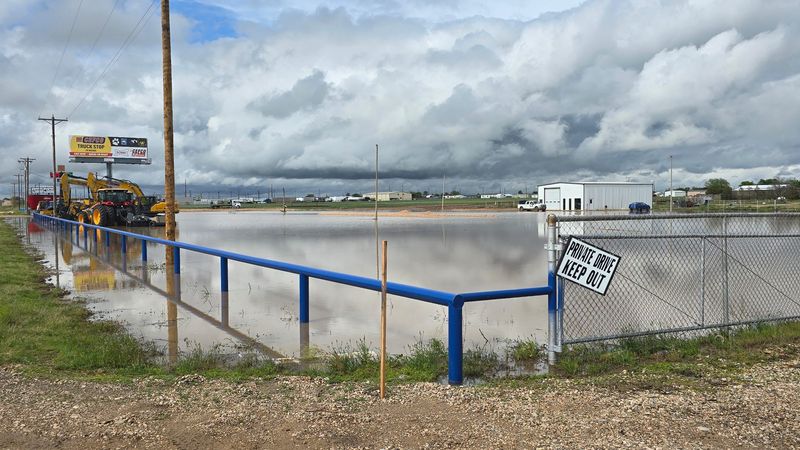
For Amarillo, the rain has been a double-edged sword. While the moisture has helped relieve drought conditions and reduce the wildfire risk that kept much of the region under burn bans for over a year, the city’s flat topography and dense clay soil complicate water runoff. That puts pressure on the city’s seven playa lakes — natural basins that serve as flood control reservoirs by collecting stormwater during heavy rain.
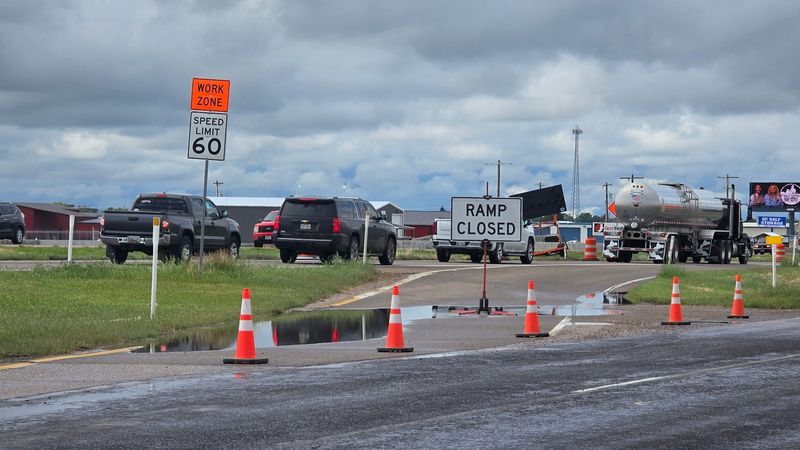
In addition to monitoring lake levels, the city also responded to trouble spots along major roadways. Interstate 27 near Rockwell Road, between Amarillo and Canyon, saw a lane closure due to water pooling along the shoulder. City officials also reported drainage problems near Hope Road south of Interstate 40, where standing water prompted temporary barricades and on-site monitoring. Crews worked to keep drainage inlets clear and assess flow rates in the affected areas.
By Wednesday, May 7, Amarillo Assistant City Manager Donnie Hooper said the city was managing the situation and monitoring conditions across the system.
“All playa lakes are at manageable levels,” Hooper said. “We had all pumps activated by 2 p.m. Tuesday, and they’ve been operating as needed.”
Among the seven lakes, McDonald Lake saw the most rapid rise, jumping to 90% capacity in just two days. Lawrence Lake held steady at 61%, while Tee Anchor reached around 69% as of Wednesday afternoon. The city’s drainage dashboard provides real-time public updates, including pump activation and rainfall data, which Hooper said has been essential for transparency and planning.
“We’ve learned a lot from past years,” Hooper said. “We’ve made targeted investments and improved our communications to the public through real-time updates online.”
Lessons from past flooding
In 2023, a prolonged period of storms overwhelmed the system. Between June 2 and July 10 of that year, the city pumped more than 1 billion gallons of water from six playa lakes — 435 million gallons from Lawrence Lake alone. Overflow around Soncy and Southwest 77th Avenue flooded neighborhoods and impacted septic systems.
This time, city officials say upgrades have helped avoid the worst. A damaged intake pipe at McDonald Lake was repaired in 2022, and in December 2024, the City Council approved $400,000 for water level monitors, rain gauges, and cameras across the lake system.
Still, limitations persist. Amarillo’s pumps can’t operate during the height of rainfall because the system relies on gravity-fed drainage pipes. Debris also continues to clog inlets during high water events.
“We do everything we can to prepare,” Hooper said. “But when rain comes hard and fast, the ground can’t absorb it quickly, and it’s going to pool up. That’s why we stress keeping streets clear and avoiding flooded intersections.”
The city continues to advise residents to stay off submerged roads and limit water use if they rely on septic systems, as floodwaters may carry bacteria or contaminants such as livestock waste.
Severe weather and a tornado touchdown
In addition to rain, the early May storms brought a dramatic drop in temperatures — falling into the 60s on Monday, May 5, roughly 15 degrees cooler than the day before. Thunderstorms delivered quarter-sized hail and gusty winds, with the strongest activity occurring Monday evening. While the risk of tornadoes was low across Amarillo, flash flooding remained the top concern.
However, the region’s recent severe weather was punctuated by a tornado that touched down in Canyon’s Madison Park neighborhood on Friday, April 25. The National Weather Service confirmed an EF-1 tornado with winds up to 110 mph. Roughly 20 homes were damaged, especially along Willeford Avenue, though no injuries or fatalities were reported. The City of Canyon declared a local disaster to support recovery efforts.
A clearer forecast ahead
Rain lingered into Tuesday and Wednesday, May 6 and 7, with another 1 to 2 inches falling in scattered pockets across the Panhandle. But brighter skies are expected soon. Forecasts call for sunshine by the weekend, with highs climbing into the 70s and 80s by early next week — offering the region a much-needed chance to dry out.
Residents from Hereford to Borger and Dalhart to Canyon are also weathering the storms — and looking forward to clearer skies.
This article originally appeared on Amarillo Globe-News: A soggy saga: Amarillo and the Panhandle’s rainy days and break from burn bans
Reporting by Michael Cuviello, Amarillo Globe-News / Amarillo Globe-News
USA TODAY Network via Reuters Connect