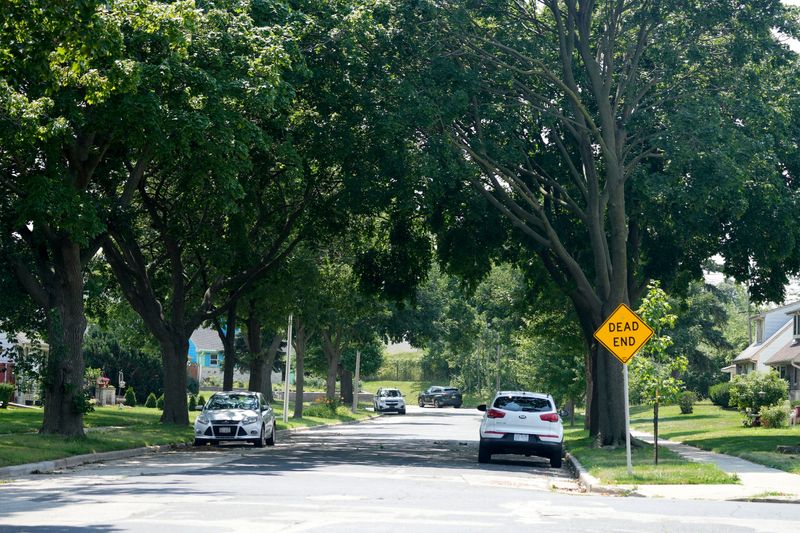
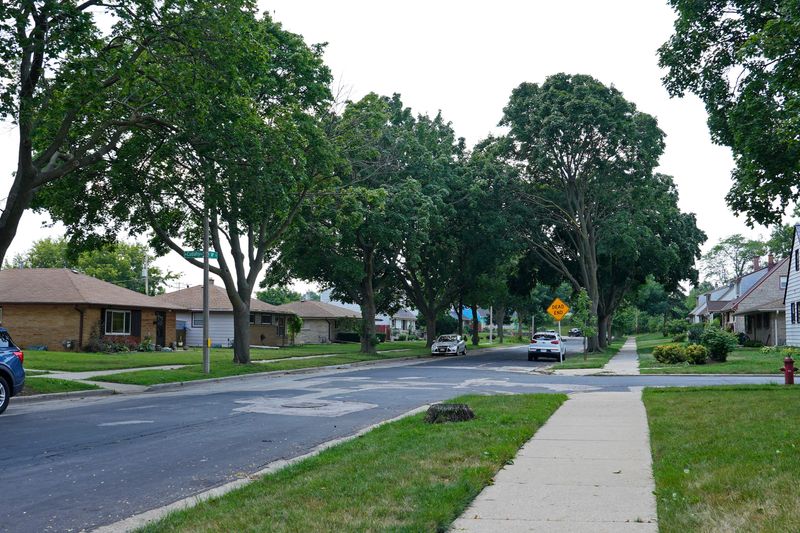
All was quiet on the dead-end street before dawn on July 27.
Afsar Hussin was getting home from third shift at Amazon. He had lived with his family on this short stretch of South 14th Street in Milwaukee for eight years.

Next door, a 99-year-old woman lived alone, ever since her husband died. Hussin and his family would see her every so often, walking with relatives, looking at her neighbors’ flowers.
At that hour, most on the street, including the elderly widow, slept.
Joseph G. Macias, however, was not sleeping; he was stumbling.
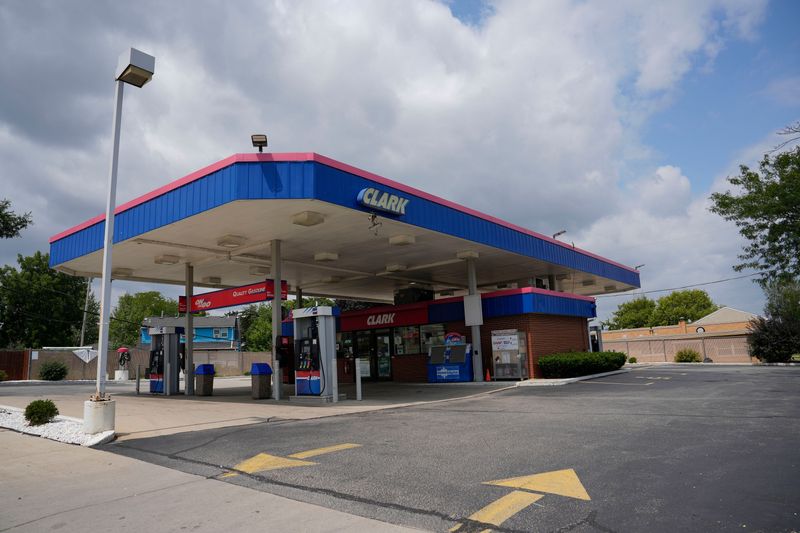
The 23-year-old cut his way from a nearby gas station, up the woman’s driveway and to her back door.
When he got there, he banged violently, again and again.
The woman awoke and came to the door. Macias pushed his way in and began savagely attacking her, a criminal complaint said.
There is no indication the suspect and victim knew each other.
It was a nightmare scenario that demanded immediate help. But it wouldn’t come for hours.
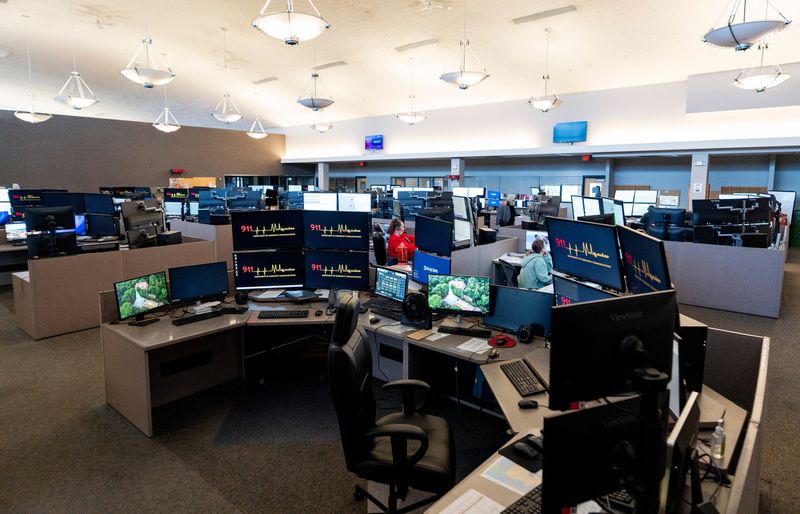
A minute-by-minute review of 911 call center and police dispatch records from that morning show that a confluence of failures delayed the city’s emergency response, even during what was a relatively quiet morning in Milwaukee Police District Six, a Milwaukee Journal Sentinel investigation found.
At multiple points, the lack of communication and failures to follow policy were obvious. At other times, it appeared that rigid adherence to protocols caused further delay.
The result was that a frail woman closing in on a century of life, who did everything right, suffered for hours without knowing if help would ever arrive.
Attack preceded by night of drinking
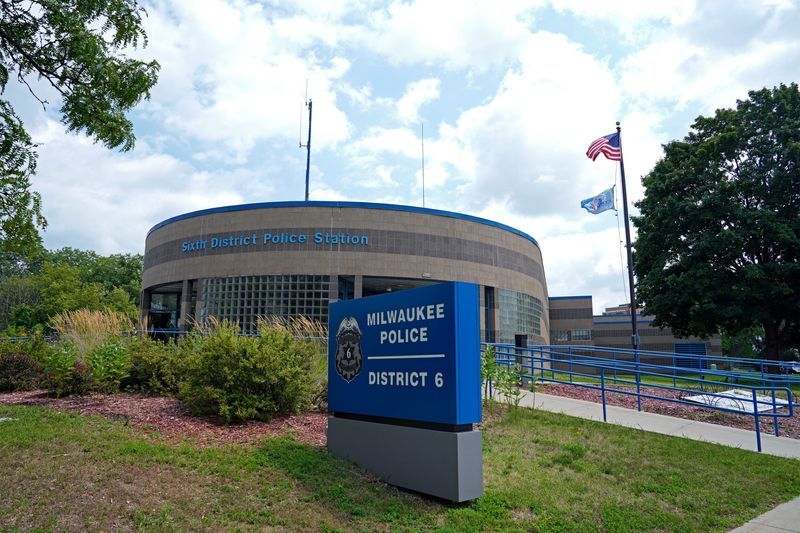
That Sunday night was quiet in Police District Six, which spans the city’s far south side and includes the woman’s home, near the airport.
The area has changed over the years, with more families of Muslim faith moving in to be close to the nearby mosque and school.
The woman’s house sat on a two-block stretch of mostly ranch-style homes, with well-kept yards dotted with flowers. Residents said the neighborhood is close-knit, with kids playing in the street and little foot traffic.
Around 1:30 a.m., officers responded to two calls, one for a domestic violence incident and another for a high-priority investigation. At 3 a.m., they were called to a death of a 59-year-old woman, later determined to be natural.
Otherwise, there was a smattering of low-priority calls.
Meanwhile, Macias was drinking heavily with his cousin and his cousin’s girlfriend. Tequila was Macias’ drink that night, the cousin later told police – and a lot of it.
The three of them went from a bar to his cousin’s girlfriend’s apartment. Macias drove.
At some point, after his cousin and girlfriend fell asleep, Macias left the apartment, taking his cousin’s shoes and phone, leaving his own behind.
He went to a gas station near the elderly victim’s home, according to surveillance footage.
A neighbor’s camera then picked up Macias walking up the victim’s driveway.
First call marked as welfare check, then threat
Shortly after Macias exploded into the house, the elderly woman activated the alert.
The first call to Milwaukee’s 911 center came in at 5:16 a.m. A Viiz employee told the operator there was “an ongoing domestic violence issue” and said he heard a man threatening a woman.
The operator marked the call as a welfare check.
Under the center’s standard operating instructions, obtained by the Journal Sentinel, a welfare call is when “a person’s health or well-being may be in jeopardy, but the caller has no specific information that the person has been harmed.”
In contrast, a battery is an incident where a person “intentionally causes harm or bodily injury to another.”
A battery triggers an immediate police response. A welfare check does not.
On the call, the 911 operator asked, “Did they ever confirm that there was a physical fight, or you’re just hearing what you believe is a physical fight going on?”
“I can take them off hold and you can hear too,” the Viiz employee said.
“No, I’m asking, did you ever speak to them?” the 911 operator said.
“No, no voice contact,” the employee said.
The 911 operator then categorized the call as a “threat” and said it would be serviced “as soon as possible.”
A “threat,” like a welfare check, does not require an immediate police response. Still, guidelines state that responders should be dispatched within 15 minutes.
That job falls to dispatchers, who are different than the operators who answer the 911 calls. Dispatchers are responsible for sending out police to various calls, depending on priority and availability.
But in this case, the city’s dispatchers did not send any units, for reasons that are still under investigation.
Second 911 call-taker could hear cries of pain
Less than two minutes later, the Viiz employee again called Milwaukee’s 911 center and reached a different operator.
“I just don’t feel right about this one,” the employee told the second call-taker. He added, “It sounds like he is kicking an elderly woman.”
This time, the Viiz employee patched the 911 operator into the audio from the woman’s home. A man could be heard screaming, “Shut the [expletive] up!” while the victim moaned in pain.
“I can’t get up,” the woman said repeatedly.
“I’m sure you hear that,” the Viiz employee said to the operator.
“Yeah,” she replied.
The 911 operator then tried to speak to the victim through the phone. There was no response from the woman or the man, who could still be heard yelling.
The 911 call-taker told the Viiz employee there was already a call for service to the woman’s address and said she would try to dial the woman directly. Records show the line was busy when she called.
This second 911 call lasted just under four minutes. Records show that the operator did not upgrade the priority, keeping it marked as a “threat.” And still, no police were dispatched.
It’s likely that squads were available, based on a review of call records that night.
At the time, according to medical examiner’s records and police sources, three District 6 squads were still at the scene of the woman who died of natural causes, and remained there until at least 6:10 a.m.
A Milwaukee police spokesperson said many factors go into how many and how long squads stay on the scene of a death.
Between 5:45 and 7:35 a.m., the emergency center received two other calls that were categorized as a higher priority – a report of a person with a weapon at 6:34 a.m. and a suicide attempt at 6:58 a.m., both requiring an immediate response.
Milwaukee police officials do not disclose how many squad cars patrol an area, but sources familiar with District 6 operations said it is typical for there to be four or five squads on a night shift.
If there are not enough police available, the 911 center’s procedures also allow for officers from another district to be called in.
Help arrives after victim calls 911 a third time
At 7:50 a.m., the 99-year-old victim herself called 911.
“I need help. I’ve been attacked,” she said. “I have been crawling on the floor to get to the phone.”
The woman described how a man came into the house and beat her.
“I’m afraid I’m going to faint,” she told the 911 operator.
The assailant was still in the house, but the woman didn’t know it. She told the operator he had left, then described where her house key was hidden so police and firefighters could get in.
The operator on the third 911 call stayed on the line with the victim for almost 40 minutes. That 911 center employee handled the call properly and has not been suspended, officials said.
The call was upgraded to a battery – priority two – which calls for immediate dispatch. Records show Milwaukee firefighters were dispatched at 7:55 a.m. and police units five minutes later.
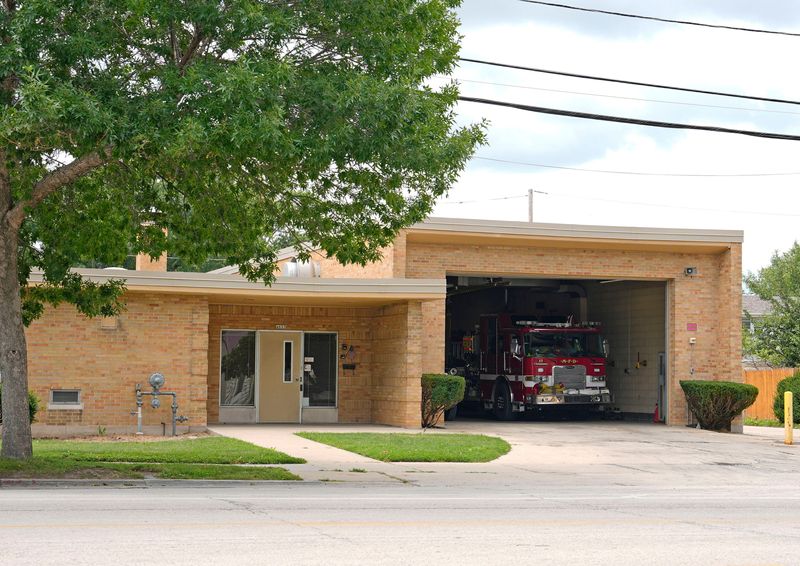
A Milwaukee Fire Department unit from Station 17, a block from the victim’s home, was on scene in two minutes. A firefighter entered the home, believing the woman was alone.
But once the firefighter spotted Macias on the floor, he withdrew, said Assistant Fire Chief Joshua Parish, and the remaining Fire Department members waited for police to arrive. That was in line with department policies, which dictate police must secure a scene before medical providers can enter.
“Our general staff doesn’t have the training or protective equipment in hand-to-hand combat and management of physical threats that may be directed at us from a violent criminal,” Parish wrote in an email.
Twenty-three minutes after being dispatched, a police officer arrived. That’s about 15 minutes slower than the average response time for calls like this in the district.
Milwaukee Police Department spokesperson Lt. Efrain Cornejo said the dispatch came during a shift change, when officers go through roll call and get their equipment and squad cars. These are “reasonable” circumstances that may have played a part in the delay, he said.
The officer arrested Macias with little issue, and firefighters were waved in after waiting for nearly 30 minutes, records show. The woman was taken to the hospital with serious injuries.
Macias was charged with battery of an elder person, first-degree reckless injury and burglary. He faces over 70 years in prison if convicted.
After his arrest, Macias told police he didn’t remember what he had done but admitted he assaulted the elderly woman and wrote a letter of apology to her, according to the complaint.
“I know I’m not innocent. I know I’m gonna have to pay [the] consequences to my actions, you know?” he said in an interview with detectives, according to the complaint.
The random attack – and the delayed emergency response – startled neighbors like Nada Jarad, who lives across the street from the victim with her husband and their four children.
Her family was up for early morning prayers, known as Fajr, but heard nothing, she said. She’s been looking at the woman’s ranch home every day, hoping she might come home soon.
“It is really worrying. I am not sure what to make of it,” she said. “People are nervous.”
City’s handling of attack being investigated
Fallout came swiftly.
The bulk of the scrutiny has fallen on the city’s newly formed Department of Emergency Communications and director Tony Bueno. He acknowledged his department had fallen short, saying there were “obvious” mistakes.
Bueno opened an investigation hours after the incident and suspended the first two 911 call-takers, with pay, pending the outcome.
But Bueno also noted thatpolice officers can see calls in their squads and have the discretion to self-dispatch. Police district shift commanders, who are responsible for monitoring calls, can also override dispatch and send a squad to any outstanding calls at their discretion.
Milwaukee police officials and police unions fired back, saying the delayed response was a failure by the 911 call center. According to the unions, police can only see the written details entered into the 911 call system by call-takers and dispatchers, not hear audio.
”Obviously, there’s a breakdown in communication between the caller and the dispatcher,” said Alex Ayala, the president of the Milwaukee Police Association, the union for rank-and-file officers.
The situation calls for additional training for Department of Emergency Communications staff, Ayala said.
The Milwaukee Police Department conducted an administrative review of the incident and found no violations of policy, Cornejo wrote in an email. As a result, no internal investigation into the shift commander or any other department member has been initiated.
A Viiz spokesperson said its employee made the first call to 911 within two minutes and handled the situation appropriately.
Bueno said his investigation into the incident remains ongoing and is expected to be finished soon.
The botched handling of the call is the first test for Bueno and his department since it began operating the combined call center in 2025. Before that, the police and fire departments handled emergency calls separately.
Since Bueno took over operations, the department’s performance has been praised by city officials. Its handling of 911 calls overall has met or exceeded national standards on response times, according to city reports.
Alderman Scott Spiker, who represents the area where the attack occurred, plans to hold a Common Council committeehearing on the incident, likely in September.
But questions remain: Will there be punishment for the dispatcher who didn’t send units? Why were there no repercussions for the Police District 6 shift commander who failed to inquire about why the call was languishing?
And what’s to stop it from happening again?
John Diedrich is an investigative reporter at the Milwaukee Journal Sentinel. He can be reached at jdiedrich@usatoday.com.
David Clarey is a public safety reporter at the Milwaukee Journal Sentinel. He can be reached at dclarey@usatoday.com.
This article originally appeared on Milwaukee Journal Sentinel: Series of failures delayed response to assault of Milwaukee woman, 99
Reporting by John Diedrich and David Clarey, Milwaukee Journal Sentinel / Milwaukee Journal Sentinel
USA TODAY Network via Reuters Connect

By John Diedrich and David Clarey, Milwaukee Journal Sentinel | USA TODAY Network