Despite reports that a team of lead poisoning experts has been reinstated at the U.S. Centers for Disease Control and Prevention, the City of Milwaukee has yet to get word of any renewed assistance with the ongoing lead crisis in the city’s school buildings.
“The City of Milwaukee Health Department has informally heard that members of the CDC’s Childhood Lead Poisoning Prevention Program may have recently been rehired,” Health Department spokesperson Caroline Reinwald said in a statement. “At this time, MHD has not received any official communication or confirmation from the CDC regarding this development.”

For months, the Health Department has been investigating and guiding the response to widespread lead contamination at Milwaukee Public Schools.
Before April, health officials had been working closely with lead poisoning experts at the CDC. And in March, they sent a request for Epi-Aid, asking for a small team of CDC experts to come to Milwaukee and help with the response for a matter of weeks.
But then, thousands of federal health workers were shut out of their workplaces on April 1, part of sweeping layoffs at the U.S. Department of Health and Human Services that gutted entire divisions and programs across the agency, including the CDC’s lead poisoning branch.
Two days later, the Milwaukee Health Department received an email from a CDC official saying the Epi-Aid request was denied “due to the complete loss of our Lead Program.” City health officials no longer had contacts at the CDC to turn to for lead poisoning, they said.
Then, on June 11, more than 450 laid-off CDC employees received notices they were being reinstated, a spokesperson for HHS confirmed.
Among those reinstated were about 150 employees at the CDC’s National Center for Environmental Health, including workers focused on lead poisoning prevention, the Associated Press and NPR reported.
“The Trump administration is committed to protecting essential services — whether it’s supporting coal miners and firefighters through NIOSH (the National Institute for Occupational Safety and Health), safeguarding public health through lead prevention, or researching and tracking the most prevalent communicable diseases,” Health and Human Services spokeswoman Emily Hilliard said in an emailed statement. “HHS is streamlining operations without compromising mission-critical work.”
Officials at HHS have never detailed how they made the layoff decisions in the first place, the Associated Press reported.
The reversal came after months of outcry over the cuts, including from Democratic lawmakers who grilled HHS Secretary Robert F. Kennedy Jr. about the cuts during Congressional hearings.
It is unclear what priorities the administration will have for the newly reinstated workers or how their work might change.
Officials at HHS did not answer questions about whether they would reconsider Milwaukee’s request for on-site expert help.
“We would still welcome the opportunity to collaborate if federal support becomes available, particularly as we shift focus toward long-term planning and prevention,” Reinwald, the Milwaukee Health Department spokesperson, said.
It is still unclear how many of Milwaukee Public Schools’ tens of thousands of students may have been poisoned by lead paint at school.
The city, along with MPS and Children’s Wisconsin, has held clinics meant to test hundreds of students for lead poisoning, but a recent clinic was only lightly attended. Health officials have pointed to difficulties reaching some of the city’s most vulnerable students for testing.
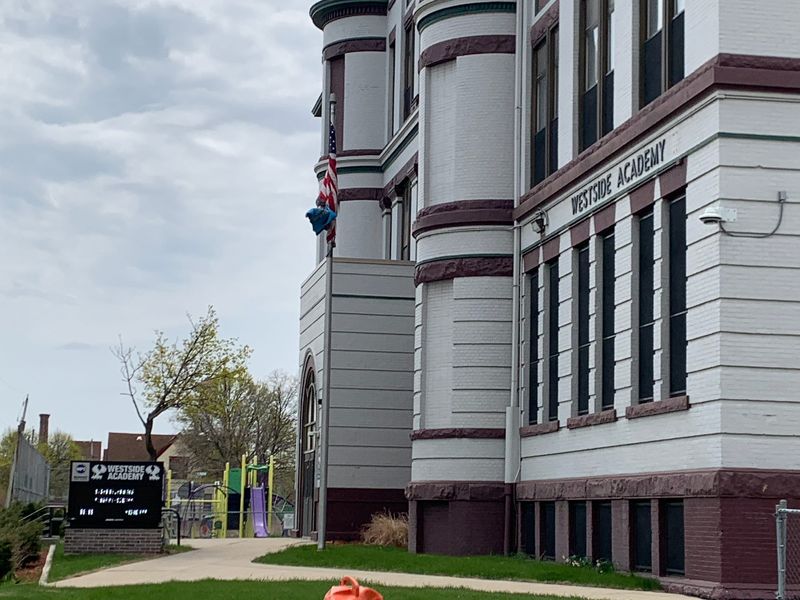
Several schools with some of the worst lead paint deterioration were closed in recent months to clear them of toxic hazards, after students were exposed to peeling and chipping lead paint in classrooms and hallways.
The latest school to pass inspections after being shut for cleaning is LaFollette Elementary School. Its students finished out the school year June 13 at a temporary school about three miles away, where they had been since LaFollette closed in March.
The district’s neglect of lead paint maintenance came to light early this year after health officials found a student had been poisoned by lead paint at Golda Meir Lower Campus. The school district plans to clear its oldest schools of lead hazards over the summer, while school is out.
Reporter Cleo Krejci contributed to this article.
Sarah Volpenhein can be reached at svolpenhei@gannett.com.
Alison Dirr can be reached at adirr@jrn.com.
This article originally appeared on Milwaukee Journal Sentinel: No word yet on whether reinstated CDC workers will help Milwaukee with lead paint crisis
Reporting by Sarah Volpenhein and Alison Dirr, Milwaukee Journal Sentinel / Milwaukee Journal Sentinel
USA TODAY Network via Reuters Connect