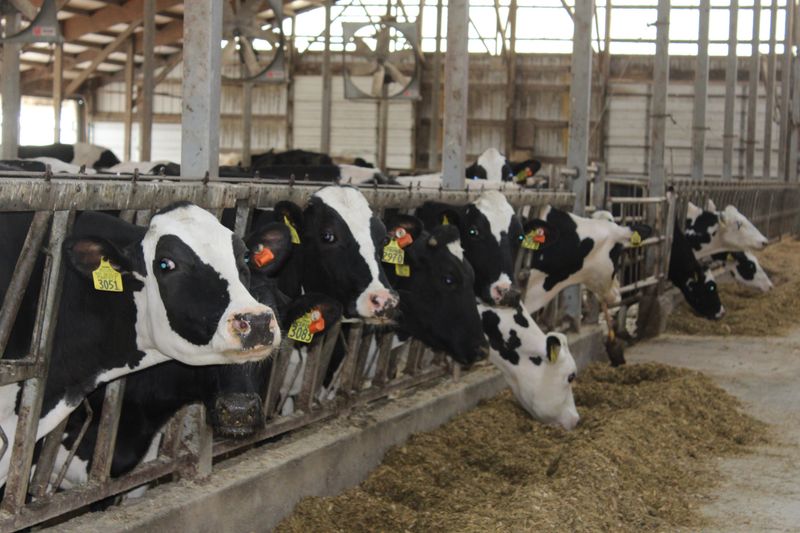
Researchers at the University of Nebraska–Lincoln have developed a new vaccine approach that shows strong promise in protecting cattle from H5N1 bird flu, a disease that devastated commercial poultry flocks, and two years ago crossed into dairy herds across the United States.

Bird flu has disrupted agricultural systems globally, leading to the culling of more than 166 million commercial poultry birds in the U.S. since 2022. In 2024, the virus spread to dairy cattle — an unprecedented interspecies transfer — and subsequently caused illness in about 70 farm workers with close contact to infected animals.
The research, led by virologist Eric Weaver, professor of biological sciences and director of the Nebraska Center for Virology, demonstrated effective protection against severe disease in both dairy calves and laboratory models. The findings suggest the vaccine platform could play a role in safeguarding livestock health at a time when no licensed H5N1 vaccine exists for cattle.
Weaver said the team built on earlier work from his lab when the cattle outbreak began.
“This virus is not going away,” Weaver said in a news release. “Once we saw sustained infection in dairy cattle, it became clear that this was a livestock health issue that needed immediate attention.”
The experimental vaccine platform is designed to protect against multiple H5N1 strains and to generate immunity in both the bloodstream and the respiratory tract ‒ two key pathways for limiting disease severity and transmission.In the study, dairy calves were vaccinated at one week of age using a combination of intramuscular and intranasal delivery, followed by a booster dose four weeks later.
“The idea was that if we put it intramuscularly, we can prevent it from spreading in the body, and then a mucosal aspect, intranasally, would prevent it from spreading from animal to animal,” Weaver said.
The vaccinated calves developed strong immune responses without showing signs of severe disease. In additional trials, vaccinated mice were fully protected against lethal infection from several H5N1 strains, according to University of Nebraska officials.
What this means for producers
For dairy and beef producers, disease outbreaks can lead to significant economic losses, animal welfare concerns and operational disruptions. A preventive vaccine option could help reduce those risks while supporting on-farm biosecurity efforts.
Protecting cattle from H5N1 may also reduce opportunities for the virus to adapt and spread across species, benefiting both animal and human health.
“We want a vaccine that works for the farm first,” Weaver said. “If we can protect cattle, we can help protect producers, workers and the food system as a whole.”
As animal diseases continue to cross species barriers, Weaver said proactive livestock health research will be critical.
“Historically, influenza viruses evolve when they have sustained contact with new species,” he said. “That makes prevention at the farm level more important than ever.”
This article originally appeared on Wisconsin State Farmer: Bird flu vaccine research aims to protect both cattle and farm workers
Reporting by Colleen Kottke, Wisconsin State Farmer / Wisconsin State Farmer
USA TODAY Network via Reuters Connect