Problem solving demands creativity.
Many times, we believe the best solution is obvious — a straight-line continuation of past success. We know the actions to take and the challenges to overcome, and we focus on powering through obstacles we’ve beaten before. That mindset feels safe, efficient and responsible.

It is also limiting because it assumes the future must look like the past.
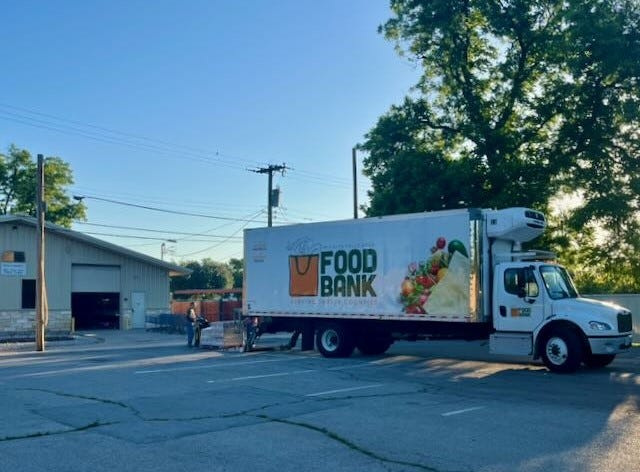
Last month, the North Texas Food Pantry lost a valuable resource when another driver collided with the van used to transport food from partners at the Wichita Falls Area Food Bank and Sam’s Club to their facility on Tyler Street where volunteers sort, stage and prepare food for delivery to roughly 2,000 people each month.
Through grants and donations, some funds were available for a replacement vehicle. After weeks of waiting, the other driver’s insurance company finalized payment for totaling the pantry’s van.
The obstacles to this new vehicle solution multiplied quickly. There was a strong desire to trade up to a box truck, which increased the required funding. There was also concern about where to safely store a new vehicle, informed by past incidents of break-ins and vandalism as the old van sat in the parking lot when not in use.
As the projected investment grew, the board became cautious. Committing most of the available funds to a vehicle would leave little margin for repairs, emergencies or surprises that inevitably appear in nonprofit operations.
In the meantime, temporary arrangements were made with the Wichita Falls Area Food Bank to deliver food directly to the North Texas Food Pantry.
The absence of the pantry-owned vehicle felt risky at first, but the system worked. Recognizing nothing is permanent, this solution works for the time being.
Volunteers adjusted. Processes shifted. Clients continued receiving food. What began as a stopgap slowly became part of the normal workflow.
This raised an uncomfortable question. Was the purchase of another vehicle truly the only path forward? The WFAFB already provides regular deliveries to many of its 90 partner agencies.
Instead of draining contingency funds to purchase a new vehicle, the pantry can use funds once earmarked for fuel, maintenance, insurance and storage of a pantry owned vehicle leveraging the partnership with WFAFB — but without the added stress of protecting an unattended pantry vehicle.
During my most recent volunteer shift, the results were clear. While food options narrowed slightly, the mission remained intact.
Food arrives on the days of client deliveries. Volunteers sort and prepare deliveries during the two hours before client service on Monday, Tuesday and Thursday mornings. From 9-11 a.m., families pick up food to extend what they have for the coming month. Life continues.
Creativity in problem solving is not about reckless risk.
It is about questioning assumptions before committing scarce resources. Sometimes the best move is not advancing harder down a familiar road but stepping off it.
For leaders, especially in mission-driven organizations, this experience offers a quiet lesson. Constraints can sharpen thinking rather than suffocate it.
When pride, habit or precedent define the solution too early, innovation rarely survives. By slowing decisions, inviting partners into the problem, and honoring the core mission above ownership or optics, organizations often discover options hiding in plain sight.
In closing, I also note that in the face of rising fuel costs, more families are using the resources of food pantries in our area as well as across the nation.
If you can help with your time, talent or treasure, others will appreciate you.
Jack Browne is a community activist and former technology executive who believes in the power of connection, service and lifelong learning.
This article originally appeared on Wichita Falls Times Record News: WF food pantry lost its van, found a new way to serve 2,000 | Opinion
Reporting by Jack Browne, Wichita Falls Times Record News / Wichita Falls Times Record News
USA TODAY Network via Reuters Connect